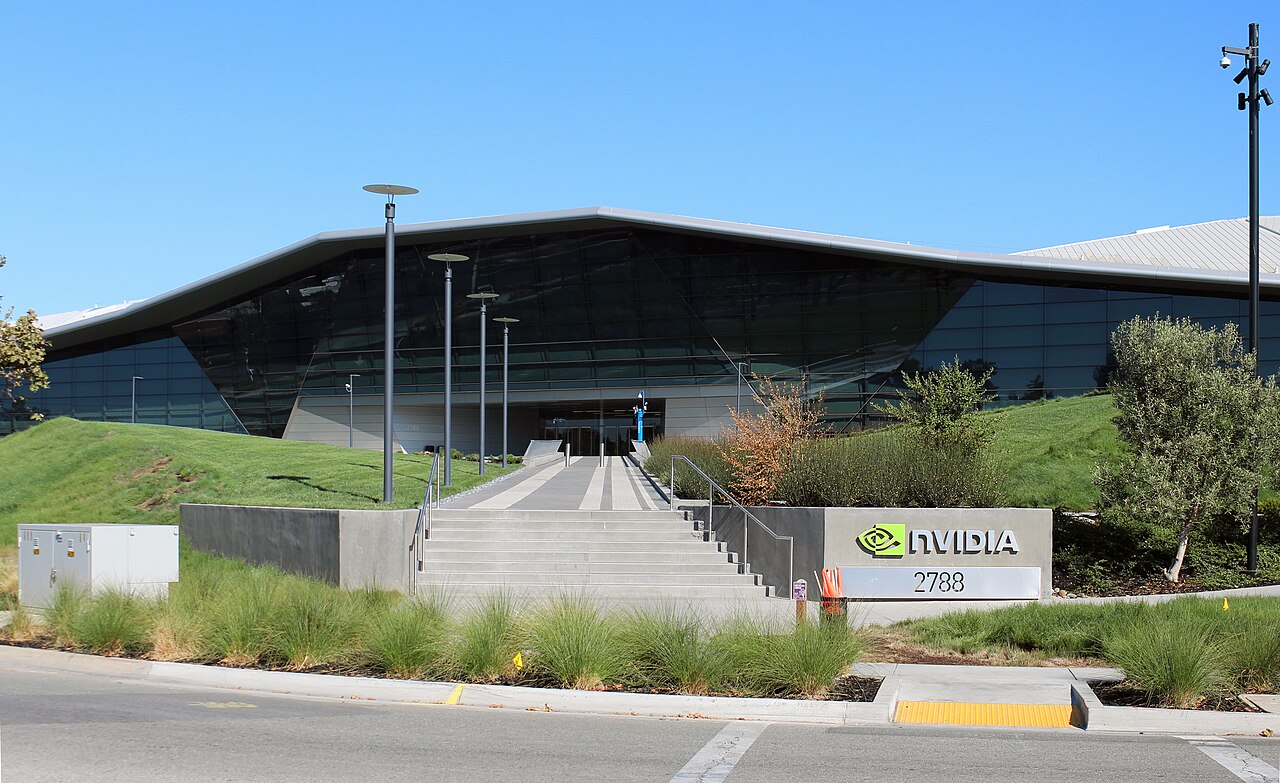
Nvidia has reportedly told its server partners to pause shipments to Malaysia, Singapore, Thailand and Indonesia, in the first visible hardware effect of the new U.S. export licensing rule. The Wall Street Journal reported the instruction on November 26, and the Financial Times reported the same halt, according to the secondary coverage reviewed for this post. Nvidia has not confirmed it. This article looks at the Nvidia server shipments pause itself: what is established, which parts of the supply chain are exposed, and what could happen next. For the rule's thresholds and mechanics, see our earlier explainer.
 NVIDIA
What has been reported about the pause
- Nvidia told Dell, Super Micro and other manufacturing partners to hold server shipments bound for the four countries, per the WSJ, while it assesses whether regional partners meet U.S. export requirements.
- The FT reported that Dell, Super Micro and other partners told customers in those countries that Nvidia was not letting their orders ship.
- The pause is open-ended. The WSJ says the period is unspecified, and the FT says it is unclear whether the halt is temporary.
- Brazil, which also gained licence requirements under the rule, is not part of the reported pause.
- Nvidia declined to comment in coverage of the story, and it has not publicly confirmed the instruction.
Separately, CNBC reported that chip sellers have told specialised cloud providers, often called neoclouds, that they will not supply Nvidia chips if any capacity is rented to Chinese companies.
From rule to reported pause, November 2026
The shipment pause was reported ten days after the rule was issued and seven days after it took effect.
Sources: The Standard (HK), 24/7 Wall St, CNBC via The Boston Report, TechCrunch. The pause itself is reported, not confirmed.
Why a pause rather than a ban
The rule took effect on November 19 and requires a U.S. licence for advanced semiconductor exports to Indonesia, Malaysia, Singapore, Thailand and Brazil. Operators already supplying large compute to China-based firms have until 90 days after that date, which falls in mid-February 2027, to obtain licences. A hold is a compliance step that costs a supplier little while it checks who the end customers are. The sources reviewed do not describe how held orders would be released, so that mechanism remains unknown.
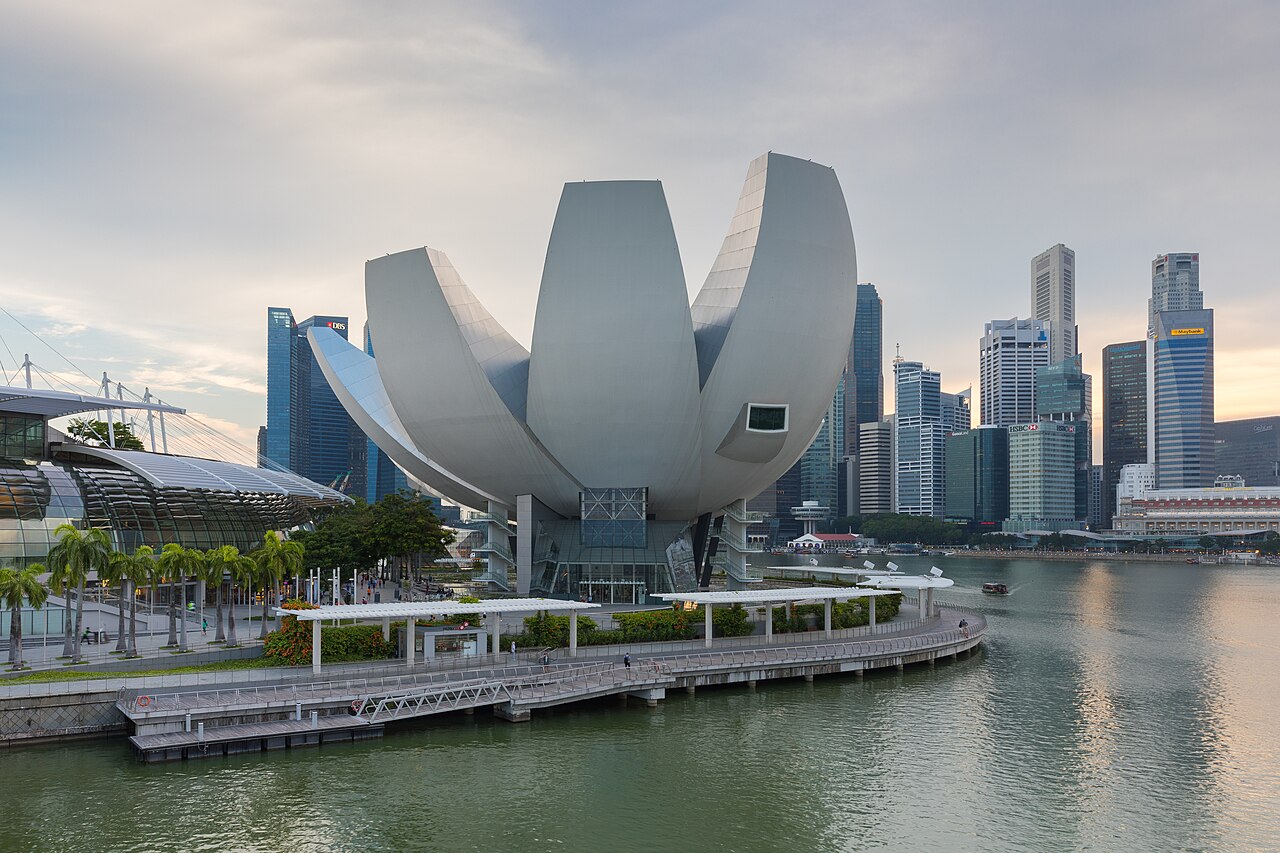
The regional markets in the frame
Southeast Asia has been a build-out zone for AI capacity because of power, land and connectivity. The IFP estimate cited by 24/7 Wall St puts remote sites like these at about 24% of China's AI computing power, which explains why the rule targets them.
Market reaction began before the pause report. On November 17, the day after the rule was issued, The Standard reported that Malaysian data centre infrastructure firms MN Holdings and Critical Holdings fell nearly 20%, and YTL Power, an Nvidia infrastructure partner, fell nearly 10%. That move was attributed to the rule, not to the shipment pause. Saxo's Charu Chanana said the rule "could mean weaker utilisation, pricing pressure and delayed expansion" for overseas operators with Chinese customers. A ratings agency cited by 24/7 Wall St warned regional investment could slow and become more selective. Malaysian and Singaporean governments' positions differ in the coverage: one report has Kuala Lumpur not intending to negotiate over the rule, while Singapore's Deputy Prime Minister Gan Kim Yong said on November 27 that Singapore has not confirmed a stop.
Who is exposed
| Group | Exposure | Evidence |
|---|---|---|
| Server OEMs (Dell, Super Micro) | Orders to four countries cannot ship | Reported told customers; Super Micro says Asia is about 6% of revenue with no country split |
| Regional data centre operators | Delayed hardware and licence costs | Share falls of up to nearly 20% on Nov 17 |
| Neoclouds renting to Chinese firms | Supply conditional on no Chinese tenants | CNBC report; unconfirmed reports of lost financing at one Singapore provider |
| Operators serving local demand | Likely licensing friction, less direct risk | A Maybank analyst said domestic cloud demand may not need the covered Blackwell-class GPUs |
For the OEMs, the picture is mixed. Dell shares were down 30.0% and Super Micro down 29.3% in November before the pause reports, per 24/7 Wall St. On its November 24 earnings call Dell's Jeff Clarke said, "We've had no customers reschedule business." Dell has not broken out Southeast Asia exposure.
A hold costs the supplier little while it checks end customers. For buyers, the same hold is a stalled build.
Analysis
Scenarios
These are our analytical scenarios, not forecasts or reported plans.
- Short hold, licences follow. Nvidia completes partner checks, operators with clean customer lists receive licences, and shipments resume well inside the 90-day window. Delays would be weeks of schedule slip.
- Selective release. Shipments resume for operators that can document ownership and customer mix, while neoclouds with Chinese tenants stay blocked. This matches the "more selectivity, rather than a broad retreat" view one analyst gave.
- Prolonged freeze. If licences stall, orders could redirect to other markets or to non-covered configurations, and regional capacity plans shift. The sources reviewed give no sign yet that this is under way.
What to watch
- Any Nvidia, Dell or Super Micro statement confirming scope and duration.
- Commerce Department licence guidance before the mid-February 2027 window closes.
- Super Micro's disclosure on its board review of export-control-linked transactions, mentioned in coverage.
- Whether Singapore's engagement with the U.S. produces clarifications.
Teams that buy AI capacity or run inference in the region may want to confirm where workloads actually execute. Multi-provider tools such as Metir can route across different hosts, which makes that portability question easier to act on if a region's supply tightens.
A note on unverified claims
One report in circulation links the timing of the shipment pause to Nvidia's leadership changes and to Megaspeed, a Singapore firm added to the Commerce Entity List. That linkage comes from a single source and is not corroborated by the primary pause reporting, so it is not treated as fact here. Megaspeed disputes wrongdoing. Our coverage of the leadership events is in Huang's resignation and the board's reinstatement.
Sources:
- Nvidia halts server shipments to Malaysia, Singapore, Thailand and Indonesia | Data Center Dynamics
- Dell, Super Micro Under Pressure as Nvidia Halts Shipments to 4 Asian Countries | 24/7 Wall St
- Nvidia Halts Southeast Asia Shipments | The Boston Report
- Nvidia is pausing AI server shipments to four Southeast Asian countries | Quartz
- US AI chip curbs threaten Southeast Asia data center boom, shares slump | The Standard
- US tightens AI chip export controls to deter Chinese companies from accessing compute remotely | TechCrunch
Image credits
Header image: Nvidia headquarters in Santa Clara, California, photographed in 2018 by Coolcaesar via Wikimedia Commons, licensed CC BY-SA 4.0.
In-body image: the ArtScience Museum, Marina Bay Sands, with the Singapore skyline, by Basile Morin via Wikimedia Commons, licensed CC BY-SA 4.0.