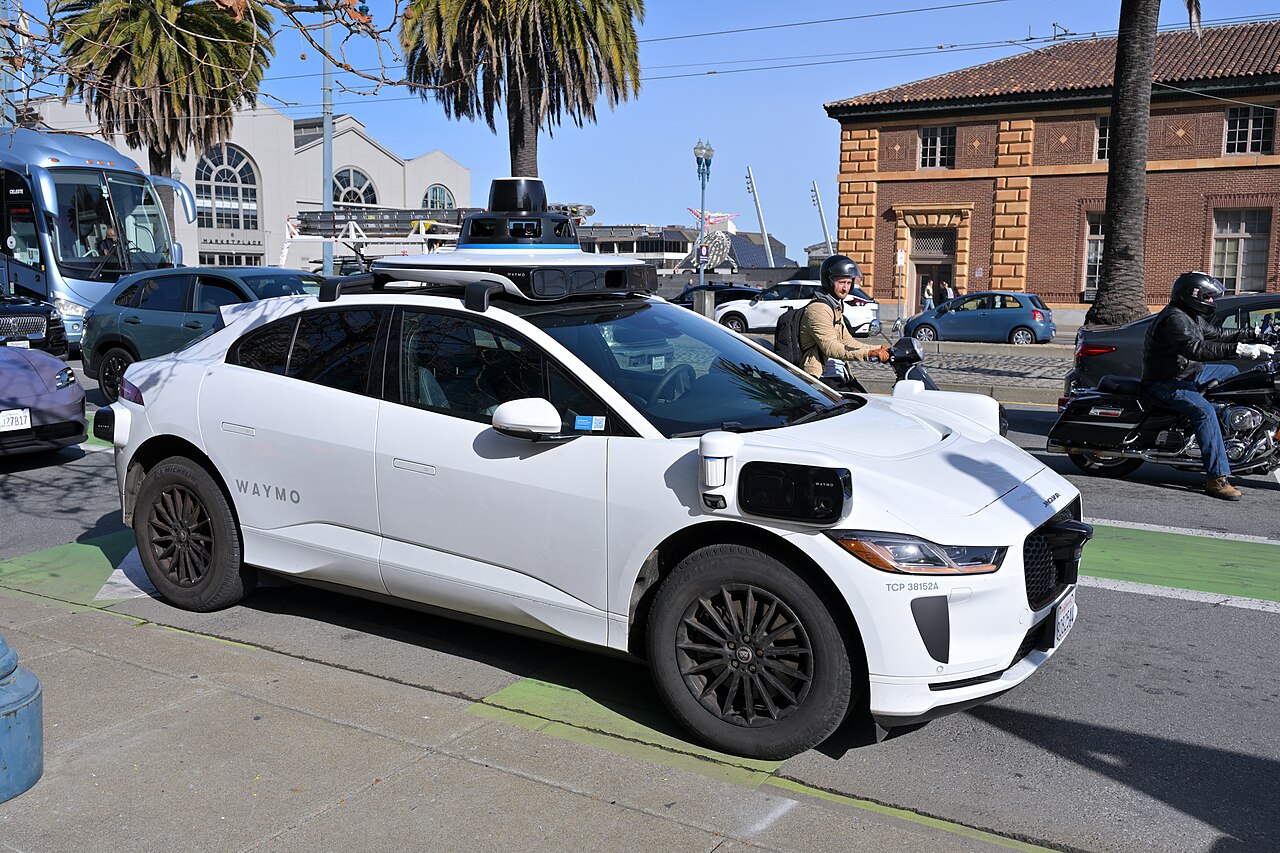
California SB 1246, signed by Governor Gavin Newsom on September 30, 2026, is the state's first law to attach a dollar figure to a driverless vehicle that stands in the way of an ambulance or fire engine. It authorizes civil penalties of up to $10,000 per vehicle when a robotaxi obstructs an emergency for more than 30 minutes after officials ask for a technician, and it sets staffing and procedure rules for the companies that run these fleets. Most of it does not take effect until July 1, 2028.
 Waymo
Waymo Tesla
TeslaWhat California SB 1246 does
The bill was authored by State Senator Dave Cortese and chaptered on the day it was signed, according to the official bill history on the California Legislative Information site. Its core mechanism is a new chapter of the Vehicle Code governing how autonomous vehicle manufacturers respond when a vehicle is immobilized or interferes with an emergency.
The text sets out two penalty tiers. The larger one is up to $10,000 per autonomous vehicle operating as a commercial vehicle that causes an obstruction or interference during an emergency event for more than 30 minutes, measured from the moment an emergency response official requests a local incident technician. The smaller one is up to $5,000 for each violation of Section 38801, the section that governs technician dispatch. A city attorney or county counsel can bring the civil action on behalf of a city, county, or city and county.
Beyond the fines, the bill places several operating duties on manufacturers:
- Local incident technicians. Manufacturers must staff so that technicians are immediately dispatched after a crash or immobilization, or when an emergency response official or a 911 dispatch center asks for one.
- Remote drivers. Anyone directly driving a vehicle remotely must be located in the United States and hold a driver's license valid for operation in California, of the appropriate class and with any required endorsements.
- Fleetwide failures. In a system failure, manufacturers must immediately notify affected local jurisdictions, including emergency dispatch, and deploy technicians where appropriate.
- Geofencing messages. Operators must acknowledge an emergency geofencing message to the requesting official within two minutes.
- Written procedures. Coverage of the bill, including the sponsor's own summary as relayed by local press, describes a requirement to maintain written emergency response and immobilization procedures.
The incidents behind the bill
The legislation did not appear in a vacuum. On December 20, 2025, a fire at a PG&E substation knocked out power to about a third of San Francisco, and traffic signals went dark. ABC7 reported that city officials, citing Waymo data, counted nearly 1,600 vehicle stoppages of at least two minutes and more than 60 Waymo vehicles that had to be moved manually. San Francisco Fire Department Deputy Chief Pat Rabbitt described a Waymo encroaching on an emergency scene while it was supposed to avoid the area.
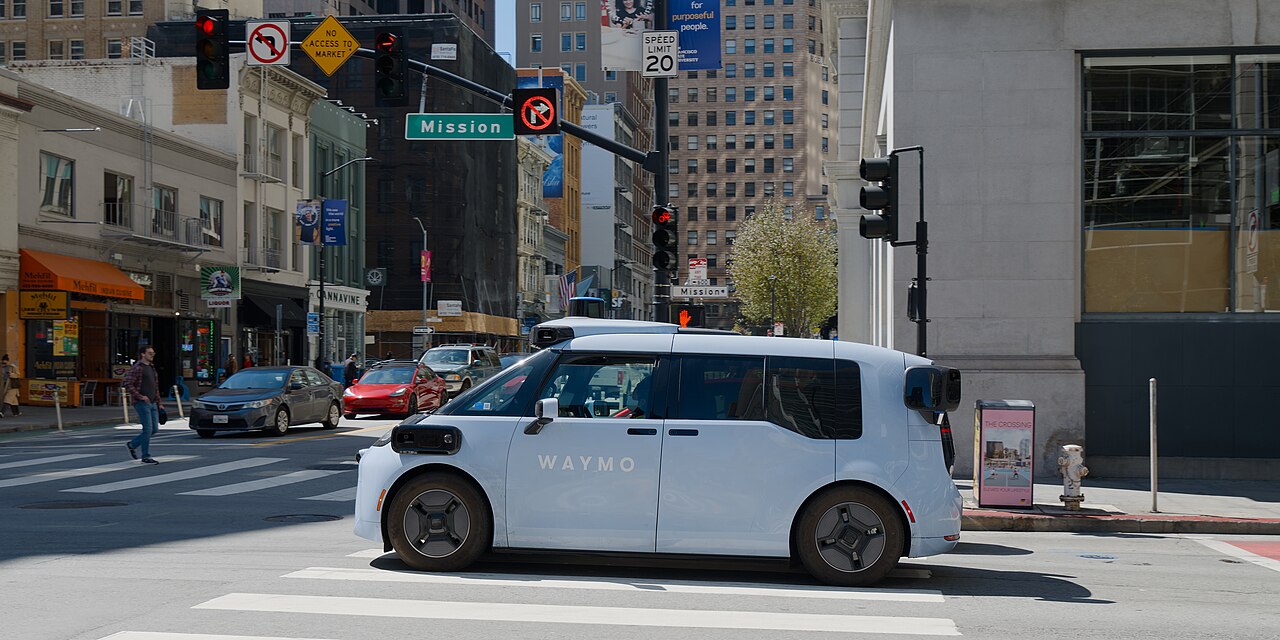
In a July 2026 interview with the San Francisco Standard, Cortese cited 31 instances since April 2025 in which Waymo vehicles blocked first responders, as well as stalled vehicles during Fourth of July fireworks. That count comes from the senator, not from an independent tally, and it should be read as his characterization of the record. The same interview quoted him saying Waymo's lobbyists opposed the bill, and describing an amended version in which companies must either dispatch technicians to move vehicles that have steering wheels or let first responders operate them, and must move or neutralize vehicles without manual controls remotely.
We are grateful for the amendments made to the bill, which ensure autonomous vehicle operators can still feasibly serve Californians.
Waymo statement, as reported by TechCrunch
TechCrunch reported on October 2 that both Waymo and Zoox said they would comply with the law, and that Tesla was the only company publicly stating that it has remote operators with direct control of vehicles. That last point matters because the remote driver rule applies to people who directly drive a vehicle, which is a narrower category than the broader remote assistance that several operators describe.
How it builds on AB 1777
SB 1246 is the second major California statute on driverless vehicles and emergencies in two years. AB 1777, signed on September 27, 2024, created the notice of autonomous vehicle noncompliance, which lets a peace officer report an alleged traffic violation to the manufacturer. Beginning July 1, 2026, it also set added requirements for how vehicles with no human operator interact with first responders, including a two-way communication device. The California DMV describes both pieces on its AB 1777 page.
From AB 1777 to SB 1246
California's emergency-response rules for driverless vehicles, and the incidents that sit between each step.
The newest duties land nearly two years after the signing date.
The practical difference is the lever each law pulls. AB 1777 mostly governs how officers communicate with a vehicle and its operator, and it routes noncompliance through the manufacturer and the DMV. SB 1246 adds money and a clock: a measurable 30-minute threshold, a financial penalty tied to it, and local government standing to sue.
Who regulates what
Two state agencies remain in the picture. Under the bill text, the DMV adopts guidelines, publishes quarterly statistics, and shares records with the California Public Utilities Commission. The CPUC receives those records to support regulatory oversight of autonomous vehicle passenger service operations. Enforcement of the new penalties, however, sits with local lawyers rather than either agency, which is a notable design choice in a field where state regulators have historically held the permitting pen. TechCrunch also reported that the DMV will establish response time guidelines.
What to watch before 2028
Several open questions will decide how much the law changes in practice:
- Definition of an emergency event. The 30-minute clock depends on an official requesting a technician, so how requests are logged and timed will shape every dispute.
- Remote staffing. Operators with remote assistance personnel outside the United States will need to confirm which duties fall under the direct remote driver rule, and the DMV guidelines are likely to clarify that.
- Technician coverage. Immediate dispatch across every city a fleet serves is a staffing commitment, not a software feature, and it will scale with fleet size.
- Local enforcement. Whether city attorneys actually bring cases, and how courts read the 30-minute test, is unknown until the first actions are filed.
The same fleets are expanding in other states under looser or different frameworks, as covered in our look at Nevada's commercial robotaxi permits, so California's approach will be watched as a reference point for what emergency-response duties look like when they are written into statute rather than into permit conditions. For background on the vehicle in the photo above, see our post on Waymo's custom Ojai chip.
The takeaway
SB 1246 turns a recurring operational complaint into a specific legal test: how long does a stopped robotaxi get in the way of a responder once someone asks for help. The numbers are modest next to a large fleet's revenue, but the clock, the technician duty and the local enforcement right are the parts that change incentives. With the operative date in July 2028, companies have roughly 21 months to build the staffing and procedures, and regulators have the same window to define the details.
Sources:
- SB-1246 Autonomous vehicles, bill text and history, California Legislative Information
- Robotaxi operators will face fines for blocking first responders, TechCrunch via Yahoo News, October 2, 2026
- California Robotaxi Law Fines Firms for Blocking Responders, Hoodline
- California bill would fine Waymo $10K for blocking first responders, San Francisco Standard
- San Francisco leaders press Waymo on stalled robotaxis during December power outage, ABC7 San Francisco
- DMV Highlights New Laws in 2025 (AB 1777), California DMV
- New law will allow cops to cite driverless vehicles for traffic violations, Yahoo News
Image credits
- Hero: A Waymo Jaguar I-Pace robotaxi in San Francisco, January 2026, via Wikimedia Commons, by 4300streetcar, licensed CC BY 4.0.
- In-body: A Waymo Ojai robotaxi on Mission Street, San Francisco, 2026, via Wikimedia Commons, by Daniel Lu (dllu), licensed CC BY-SA 4.0.