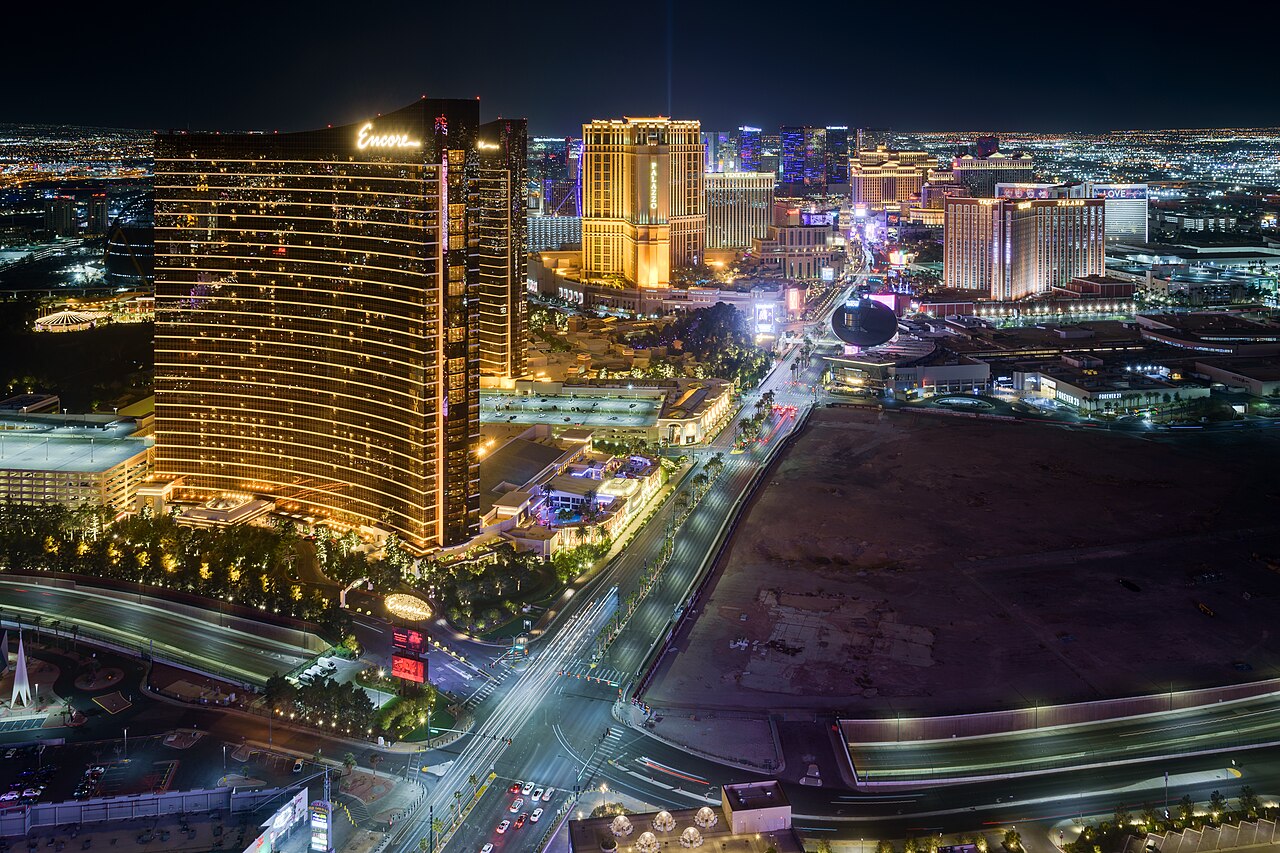
On Thursday, August 20, 2026, the Nevada Transportation Authority unanimously approved three commercial robotaxi permits, clearing Tesla, Uber and Waymo to charge fares for driverless rides across Clark County, the jurisdiction that includes Las Vegas. It is the broadest regulatory green light any state has given the robotaxi industry at once, and it puts three companies with genuinely different technology and business models under a single new permit type.
 Tesla
Tesla Waymo
Waymo Uber
UberWhat the permits actually authorize
The NTA created a permit category called an Autonomous Vehicle Network Company, or AVNC, and issued one to each of the three applicants. Together the permits authorize up to 7,000 robotaxis operating in Clark County over the next 12 months: Tesla can deploy up to 5,000 vehicles, and Waymo and Uber can each deploy up to 1,000. Uber's permit runs through a subsidiary called Aviari and is fulfilled by two partners, Hyundai-owned Motional and Amazon-owned Zoox, rather than by Uber operating its own autonomous fleet.
For Tesla specifically, this replaces a far more restrictive interim order the NTA had issued on July 27. That earlier permit capped Tesla at just 10 vehicles, confined it to a narrow Las Vegas Strip corridor with all trips starting and ending in Clark County, imposed a 45 mph speed limit, and barred pickups within a quarter mile of Harry Reid International Airport. The new commercial permit lifts the vehicle cap to 5,000 and, according to the NTA, lets Tesla operate anywhere in Clark County now and expand statewide if it notifies the commission in advance. Tesla and the other permit holders must still report any accident, system failure or vehicle that becomes stranded to the NTA within five working days.
Permit ceilings are not deployment forecasts
The three Nevada AVNC permits authorize up to 7,000 combined vehicles (Tesla 5,000, Waymo 1,000, Uber 1,000) over 12 months. Tesla itself has said 2,500, not 5,000, is the realistic one-year number.
Ceilings from the NTA's Aug 20, 2026 permits. Tesla's target figure is its own stated expectation, not a regulatory cap.
7,000 is a ceiling, not a forecast
The most important thing to understand about the headline number is that it describes what regulators will allow, not what will actually appear on Las Vegas streets in the next year. Eric Early, chief engineer on Tesla's Cybercab program, said as much directly at the hearing: "The 5,000 has always been a ceiling for us." He added that reaching roughly 2,500 vehicles within a year, half the permitted maximum, would be "a strong result," citing the pace of Full Self-Driving software rollout as the real constraint rather than the permit itself.
That framing matters because permit ceilings in this industry are routinely set well above realistic near-term deployment, in part so companies do not have to return to regulators every few months to raise a cap. Waymo and Uber's permits, both at 1,000 vehicles, are more modest to begin with, and neither company has signaled it intends to reach that number quickly either. Commercial rides across all three services are expected to begin within about 30 days of the approval, pending vehicle inspections, insurance filings and fare approval from the NTA, which is a meaningfully slower and more procedural runway than "permit granted, cars on the road."
Three permits, three different technology bets
What makes the Nevada approval unusual is that it treats three genuinely different approaches to autonomy as interchangeable under one permit type, when the underlying technology could hardly be more different.
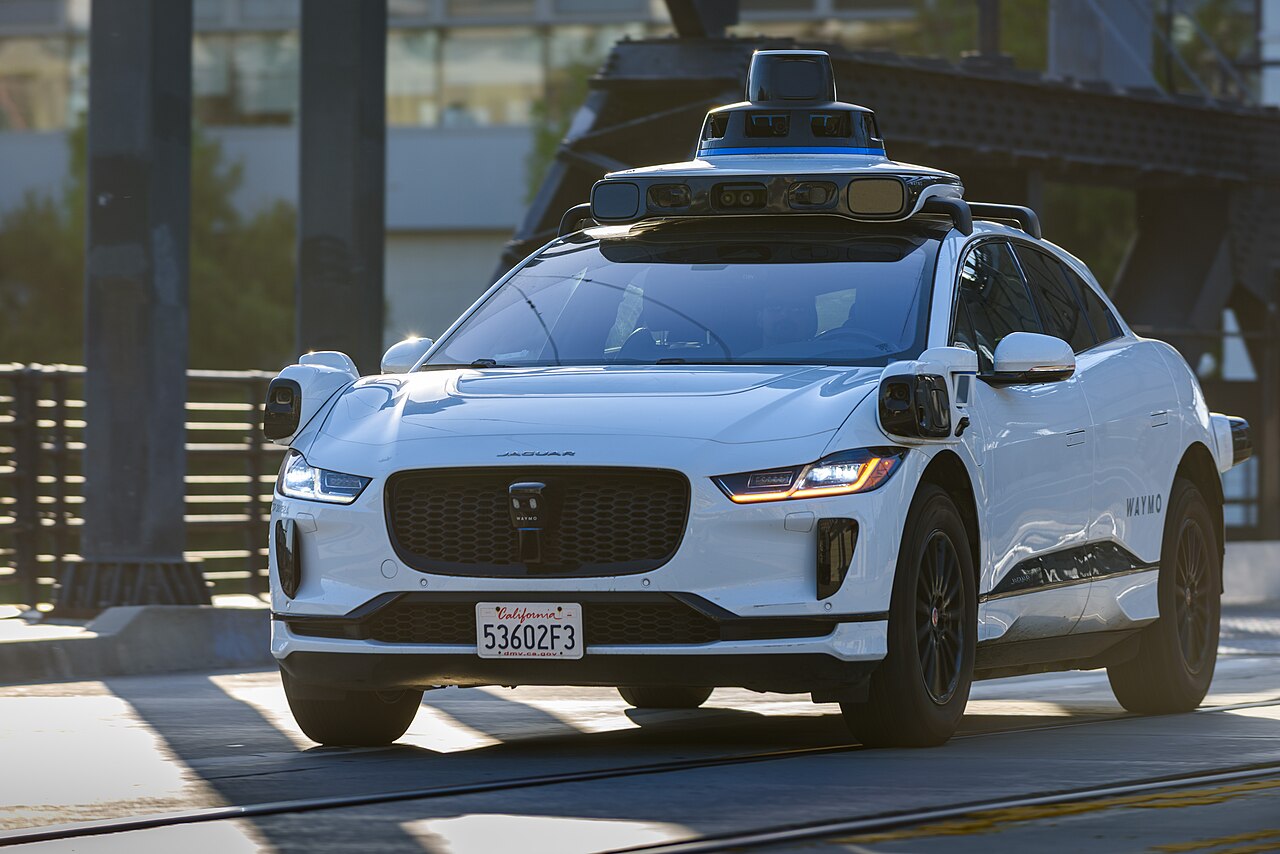
Tesla's system relies on cameras alone, with no lidar or radar, and leans on neural networks trained to interpret raw video the way a human driver would, without a dependence on pre-built high-definition maps of every street. Waymo takes the opposite approach: its vehicles carry lidar, radar and cameras fused together, visible as the sensor pod on the roof of every car, and it drives inside carefully pre-mapped, geofenced areas that are validated street by street before rides ever start there. Uber runs no autonomy stack at all. Its permit exists to let its ride-hailing app dispatch trips to Motional's and Zoox's self-driving vehicles alongside the human drivers already on the platform, making Uber a demand aggregator rather than a technology operator in this deal.
Three permits, three different bets
The same regulatory approval covers three technically distinct approaches to autonomy.
Cameras only, no lidar or radar. Full Self-Driving neural networks interpret raw camera video in real time.
No dependence on pre-built HD maps. The car is meant to drive from vision and learned behavior alone.
Tesla owns and operates its own robotaxi fleet directly under its own AVNC permit.
Lidar, radar and cameras fused together, the roof-mounted sensor pod visible on every vehicle.
Drives inside pre-mapped, geofenced areas built and validated street by street before rides start.
Waymo owns and operates its own fleet directly, the same approach it uses in Phoenix, San Francisco and other cities.
Runs no autonomy stack of its own. It supplies the ride-hailing app and demand.
Inherits whatever sensing and mapping approach its self-driving partners use.
Uber operates through partners, Hyundai-owned Motional and Amazon-owned Zoox, plus human drivers on the same app.
One regulatory framework, the AVNC permit, is being asked to govern three genuinely different technical and commercial bets at once.
One regulatory framework is now governing a vision-only neural network, a lidar-mapped fleet, and a ride-hailing app that dispatches to two outside partners. The permit treats them the same. The technology does not.
Reading the three approaches side by side
Nevada's AVNC framework is a permit-based model rather than the more prescriptive, mileage-and-incident-reporting regime California uses through its DMV and Public Utilities Commission, or the light-touch, largely self-certifying approach Texas has taken. The Nevada approach puts the burden on operators to report incidents within five working days and lets the state adjust caps and geofences administratively, which is part of why the state was able to move from a 10-vehicle interim order for Tesla to a 5,000-vehicle commercial permit in under a month.
The pushback from the existing taxi industry
The approval did not pass without objection. Representatives from the Livery Operators Association and local Las Vegas taxi companies opposed all three applications, with attorney Kimberly Maxson-Rushton warning of "oversaturation of the commercial transportation industry" and "overcrowding of the roadways," specifically in the Golden Triangle, the dense corridor between the airport and the Strip where much of the ride-hailing demand concentrates. That is the same tension that has surfaced in every city where robotaxis have scaled: existing licensed drivers argue that a large, subsidized new supply of vehicles competing on price and novelty threatens their livelihood faster than the market can absorb it, while regulators weigh that argument against consumer choice and the tax and tourism upside of positioning Las Vegas as an autonomous-vehicle hub. The NTA sided with the applicants, but the objection is now part of the public record and is likely to resurface as deployment numbers climb.
What to actually watch next
The permits themselves settle very little about how this plays out. The more informative signals over the next 12 months will be how close Tesla's real fleet gets to its own 2,500-vehicle target rather than the 5,000 ceiling, whether Waymo and Uber's more conservative 1,000-vehicle allocations fill up given their more measured public commentary, how the five-day incident reporting requirement performs once ride volume is real rather than a 10-car pilot, and whether Tesla's statewide expansion option gets exercised beyond Clark County. None of that will be visible in a headline permit number. It will show up gradually in NTA filings, incident reports and the pace of Full Self-Driving software updates.
Tesla's vision-only stack, Waymo's lidar-and-mapping approach, and Uber's partner network all had to be evaluated and approved as autonomous systems under the same state process, which is itself a small preview of a broader pattern: as more industries build on AI systems from different vendors with different underlying architectures, the practical challenge shifts from picking the single best technology to managing several genuinely different ones side by side under one operational umbrella. That is the same portability problem platforms like Metir AI are built to solve on the software side, giving teams one workspace that routes work across different AI models rather than betting entirely on one vendor's approach.
The takeaway
Nevada's approval is real regulatory progress for commercial robotaxi service, and it is the first time one state has cleared three companies with meaningfully different autonomy architectures to operate under the same commercial framework at the same time. But the 7,000-vehicle combined ceiling is a permit maximum, not a deployment plan, and the company with the largest allocation has already said publicly it does not expect to use most of it in year one. The honest read is that Las Vegas is about to get noticeably more robotaxi traffic than any US market has seen before, just not nearly as much as the headline number implies.
Sources:
- Tesla, Uber, and Waymo all get the OK to operate thousands of robotaxis in Nevada, TechCrunch
- Nevada allows Uber, Tesla and Waymo to start paid robotaxi service, Engadget
- Tesla, Uber and Waymo permitted to operate thousands of Robotaxis in Nevada, electrive.com
- Tesla Robotaxi gets a massive upgrade in Nevada, Teslarati
- Nevada Opens The Door To Thousands Of Paid Robotaxis, And Tesla Has The Edge, InsideEVs
- Tesla sought permit for 5,000 robotaxis in Las Vegas. It got 10, Axios
- Tesla asked Las Vegas for 5,000 robotaxi permits. Sin City gave it an initial 10, capped the speed at 45mph, and banned airport trips, Fortune
- Nevada caps Tesla's Vegas 'Robotaxi' fleet at 10, it asked for 5,000, Electrek
- Tesla finally got its Nevada Robotaxi Permit but with a few catches hard to miss, Teslarati
Image credits
- Hero: The Las Vegas Strip at night, the corridor covered by the new robotaxi permits, via Wikimedia Commons, by Diliff, licensed CC BY-SA 4.0.
- In-body: A Waymo-operated Jaguar I-Pace showing its lidar and camera sensor pod, via Wikimedia Commons, by 9yz, licensed CC BY 4.0. Photographed in San Francisco; used to illustrate Waymo's vehicle and sensor stack generally, not a Nevada deployment.