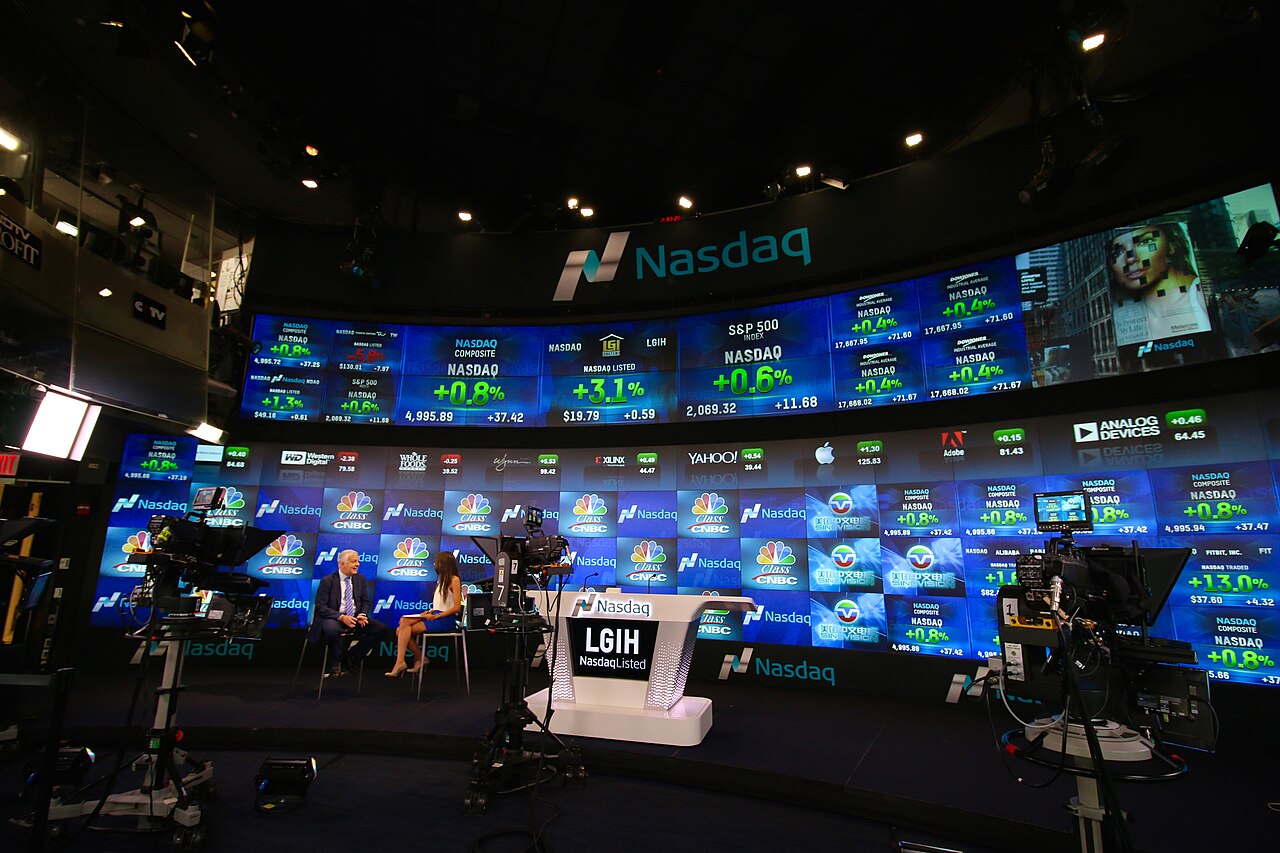
Anthropic has set the terms of its initial public offering. According to CNBC, the company plans to sell 825 million shares at $70 to $78 each, to list on Nasdaq under the ticker ANT, to price on November 18 and to begin trading on November 19. The pricing and trading dates come from people familiar with the plans and are not confirmed in the filing itself.
Earlier posts covered the IPO timeline and the prospectus losses. This post focuses on what the price range itself reveals: how the valuation is built, why a second, private sale sits beside the public one, and how the numbers compare with what investors reportedly expected.
The offering in numbers
| Term | Figure | Source |
|---|---|---|
| Shares offered | 825 million | CNBC |
| Price range | $70 to $78 | CNBC |
| Gross proceeds at $78 | $64.35 billion | CNBC (matches 825M x $78) |
| Gross proceeds at $70 | $57.75 billion | Derived: 825M x $70 |
| Strategic placement | $26 billion of Class N common stock | CNBC |
| Exchange and ticker | Nasdaq, ANT | CNBC |
| Planned pricing and trading | November 18 and November 19 | CNBC, per people familiar |
| Retail allocation target | About 20% | CNBC |
The public offering alone is large. Combining the top-of-range public proceeds with the $26 billion placement gives roughly $90.35 billion, or about $83.75 billion at the bottom of the range, assuming the placement stays at a fixed dollar amount as described. Those totals are this analysis's own arithmetic, not figures from the filing. For scale, CNBC notes that the SpaceX IPO raised $85.7 billion about five months earlier.
Reading the valuation
CNBC reports that the top of the range implies up to $1.405 trillion on a fully diluted basis, against $965 billion at the company's May private round (Series H). Other outlets quote lower numbers because they count only basic shares: one estimate cited in coverage puts the range at roughly $0.9 trillion to $1.0 trillion on that narrower basis. The gap between basic and fully diluted counts is the main reason published valuations for the same offering differ by hundreds of billions of dollars.
Anthropic valuation reference points (USD billions)
May 2026 private round versus the valuation implied by the IPO range, fully diluted.
Grey bar is derived, not reported: it scales the reported $1.405 trillion top-of-range figure by 70/78, assuming a fixed share count.
Two points follow from the chart. First, the range sits above the last private mark even at the low end, if the share count is fixed. Second, it sits well below the roughly $2 trillion level that investors earlier expected, according to CNBC, which also reported that even $1.5 trillion had been in doubt at one stage. A range that is lower than the market's earlier whispers is a common pricing approach for a very large offering: it leaves room for the first-day price to rise, and it widens the pool of buyers who can transact at the offer price.
The same offering can be a $1 trillion company or a $1.4 trillion company depending on whether the share count is basic or fully diluted.
Analysis of the reported valuation range
Why a $26 billion private placement sits alongside the IPO
Separately from the public sale, Anthropic will sell $26 billion of Class N common stock to a group of strategic investors, per CNBC: AMD, Broadcom, Google, Micron, Microsoft, Nvidia and TSMC. The price equals the IPO price. These shares are not registered in the offering and are not subject to the underwriter lock-up agreements, according to the same report.
This structure matters for three reasons:
- Supply chain alignment. The named buyers span chips, memory, foundry, cloud and networking, the layers that Anthropic buys from. Equity ownership by suppliers ties their financial position to the customer's.
- Price discovery. Because the placement is priced at the IPO price, strategic buyers take whatever price the public book sets rather than negotiating a separate one.
- Lock-up difference. Shares outside the underwriter lock-up are not covered by the standard restriction on early sales, which is a detail investors typically examine for supply overhang.
Whether these buyers choose to hold or sell is not addressed in the reporting, so any view on post-listing supply remains an open question.
The financial backdrop
 Anthropic
 Google
 Microsoft
 NVIDIA
According to the same CNBC report, revenue for the nine months ended September 30 was $33.24 billion, up roughly 1,200% year over year, with a net loss of $104 billion that was mostly due to changes in the fair value of convertible notes and derivative liabilities. The comparable 2025 period showed a $25.1 billion loss. Run-rate revenue was about $81 billion at the end of October, up $10 billion from the prior month.
On those figures, the top-of-range fully diluted valuation of $1.405 trillion equals about 17 times the end-October run-rate revenue (derived: 1.405 trillion divided by 81 billion). That multiple is a simple reference point, not a forecast, and it mixes a point-in-time run rate with a valuation that reflects expected growth. The large non-cash loss is an accounting effect of how the convertible instruments are valued; a company's valuation rising can increase such a loss, which is why the headline loss and the underlying operating picture can diverge.
The retail allocation
CNBC reports a target of about 20% of the offering for retail investors, compared with a typical 5% to 10%. A larger retail share broadens the shareholder base, and it also changes the dynamics on the first trading day, since retail order flow tends to behave differently from institutional order flow. The effect on aftermarket trading is not predictable from the filing.
What to watch next
- The final price. Whether pricing lands inside, above or below $70 to $78 will show how the order book compares with the range.
- The share count behind each valuation headline. Check whether a quoted figure is basic or fully diluted before comparing it with another.
- Coverage of the book. One report says the book was about six times covered as of November 13; that figure is unconfirmed by the filing and is not used in the analysis above.
- First-day trading under ANT, and any later disclosure on the strategic holders.
For teams that depend on Claude models, the listing changes disclosure, not the product: a public company reports more about its commitments and risks. Teams that want to keep their options open across providers can use a model-agnostic workspace such as Metir, which keeps the choice of model separate from the work itself.
Sources:
- Anthropic sets price range of $70 to $78 in upcoming IPO - CNBC
- Anthropic IPO targets around $1 trillion valuation, half the $2 trillion once whispered - investingLive
Image credits
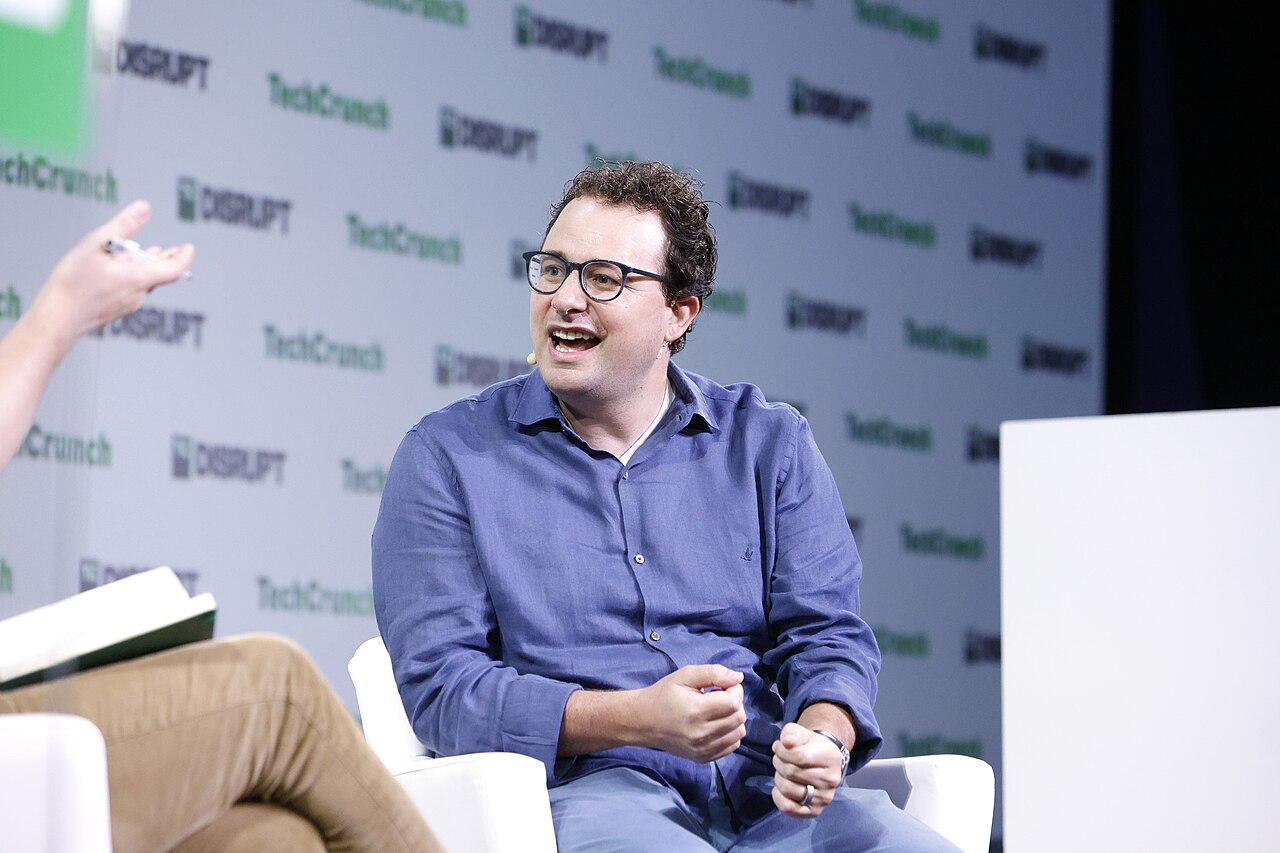
Header: Nasdaq MarketSite in Times Square, by Luca Marfe, via Wikimedia Commons, CC BY 2.0 (illustrative of a US exchange; the photo is from 2015). In-body: Dario Amodei at TechCrunch Disrupt 2023, by TechCrunch, via Wikimedia Commons, CC BY 2.0.