On November 5, 2026, Bloomberg News reported that Microsoft is tightening oversight of some data center projects built by neocloud providers, according to a summary by PrimeXBT citing Bloomberg and Reuters. The named providers were Nebius, IREN and Nscale. In afternoon trading Nebius and IREN each fell more than 16%, and CoreWeave, which was not named as a target, dropped 12.29%. The reaction says as much about how neoclouds are financed as it does about Microsoft's plans.
 Microsoft
What was reported
Per the PrimeXBT summary of the Bloomberg report:
- Microsoft is stepping away from projects it considers risky and is debating internally whether to sign new neocloud deals. It has not fully ruled out new ones and is focused on expanding its own data centers.
- Microsoft will not exercise an option to more than double its existing agreement with Nscale for more computing power at a Texas data center.
- Weeks earlier, Microsoft pulled out of a deal to anchor Nscale's flagship data center in Loughton, Essex, after power connection delays pushed supply into the 2030s.
- A Microsoft spokesperson told Reuters its infrastructure approach is "built on flexibility and optionality," combining owned data centers, leased facilities and third-party partners.
Nebius, IREN and Nscale did not immediately respond to Reuters' requests for comment. We could not access the original Bloomberg article, so details here rely on these secondary summaries, and outlets differ slightly on which providers are named.
Built on flexibility and optionality.
Microsoft spokesperson, as quoted by Reuters
Why one customer moves a whole segment
A neocloud builds and operates GPU capacity, usually financed with debt, and sells it under long contracts to a small number of large buyers. Microsoft has been among the largest: Tom's Hardware reported more than $33 billion in deals with neoclouds including Nebius and CoreWeave, with the Nebius agreement alone securing about 100,000 Nvidia GB300 chips for Microsoft's internal use.
Because a signed anchor contract is what lenders underwrite, a signal that the biggest tenant may sign fewer or smaller deals changes the expected revenue for the whole group, not just the named company. That explains why CoreWeave fell 12.29% without being named.
The financing backdrop
The report landed on top of existing credit stress. CNBC reported on October 24 that CoreWeave, Nebius and IREN had each fallen at least 30% in October, that CoreWeave's credit default swap spread had risen above 11%, and that its 2031 and 2032 bonds yielded more than 15%. Firmus withdrew its IPO plans that month, and Nscale had not updated its US listing plans in weeks.
Disclosed Nvidia and CoreWeave obligations, late October 2026
US dollars, billions. These are different kinds of figures (a debt balance, guarantees and purchase commitments) and should not be summed.
Source: CNBC, October 24, 2026, citing Nvidia's July filing and company disclosures.
Reading the signal: three interpretations
Each of the following is consistent with the reported facts, and none can be confirmed from public information.
| Interpretation | Supporting detail | Open question |
|---|---|---|
| Project-specific risk | Power delays at Loughton; Texas option not exercised | Are these isolated sites or a pattern? |
| Build-versus-lease shift | Focus on expanding Microsoft-owned capacity | How much self-build is feasible given grid constraints? |
| Capital discipline | Debating new neocloud deals internally | Is this a pause or a lasting change in mix? |
Microsoft's own statement points to all three at once, because "flexibility and optionality" describes a portfolio that can shift between owned and rented capacity.
The siting constraint
Power and permitting appear in the reporting in two places: the Essex delay that pushed supply into the 2030s, and the political environment in Texas, where the governor-elect, Gina Hinojosa, has said she would ban new data center projects until state lawmakers pass rules for the industry. For the wider local-opposition picture, see our analysis of the data center ballot measures. Together, they suggest the binding limit for third-party capacity may be where it can be energized rather than which chips are available.
What to watch
- Microsoft's next disclosures. Any update on capital expenditure or lease commitments will indicate whether the posture is a pause or a change.
- Neocloud financing. Bond yields and the fate of delayed listings show whether lenders still price anchor contracts as secure.
- Nvidia's November 17 results. As a financier and supplier to the segment, its commentary on customer financing will be read closely.
What it means for builders
For teams consuming AI rather than supplying it, the lesson is capacity concentration: a few buyers decide which clusters get built. Keeping workflows portable across model and cloud providers reduces exposure to any single supplier's schedule, which is the design principle behind model-agnostic tools like Metir.
Sources:
- PrimeXBT, citing Bloomberg News and Reuters: Microsoft tightens oversight of neocloud data center projects (Nov 5, 2026)
- Tom's Hardware: Microsoft inks $33 billion in deals with neoclouds
- CNBC: Nvidia's role as AI financier faces first big test as neoclouds take market hit (Oct 24, 2026)
- CNBC: AI meltdown, Nvidia and Qualcomm drop more than 9% (Nov 5, 2026)
Image credits
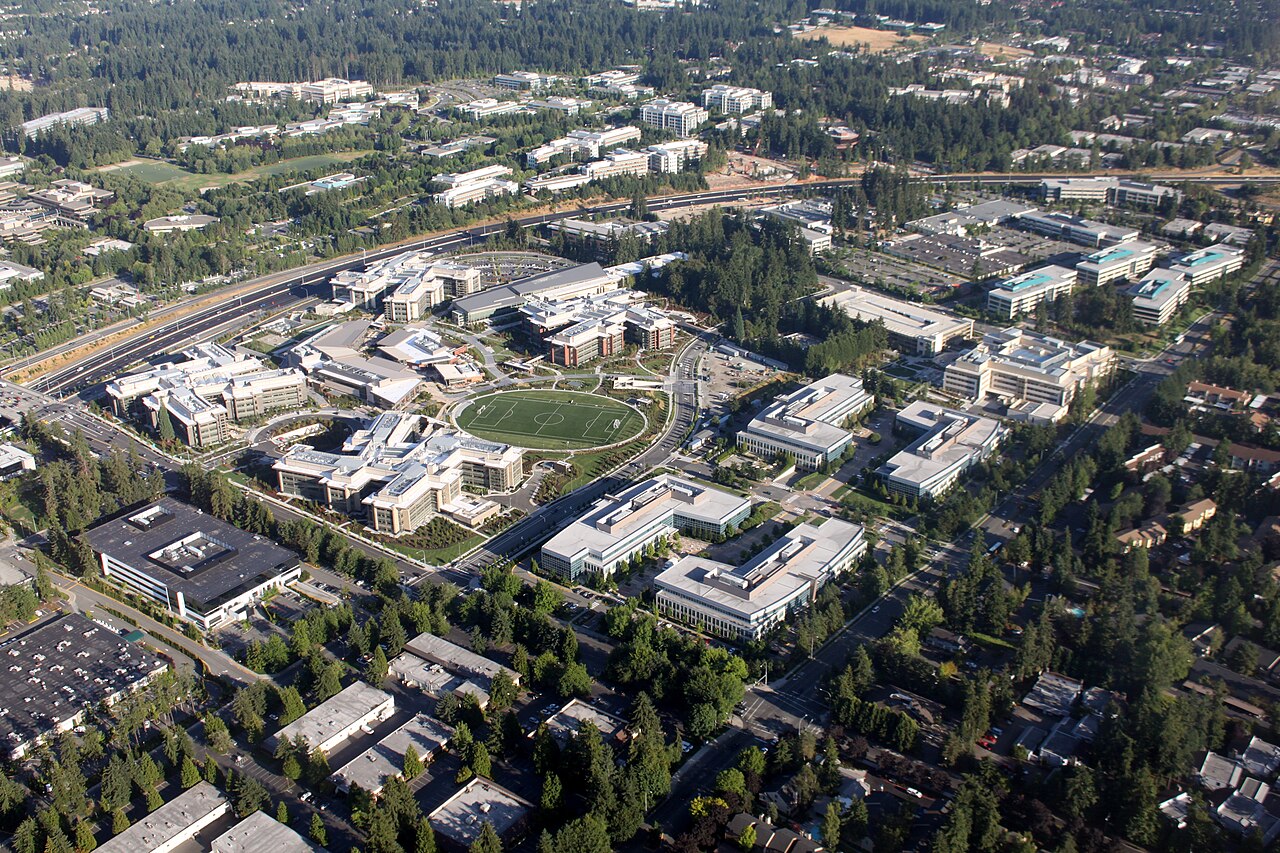
- Microsoft campus aerial: Wikimedia Commons, "Aerial Microsoft West Campus August 2009.jpg", by Jelson25, public domain.