On November 3, 2026, voters in dozens of localities decided a larger set of data center ballot measures than any previous election. According to Light Reading's results summary, all but one measure moved in an anti-data-center direction, either by imposing bans and limits directly or by rejecting pro-development proposals. The results arrived two days before the sharpest one-day fall in AI-linked stocks in 19 months, which we analyze in our post on the November 5 chip selloff, and analysts connected the two events.
What was on the ballot
Smart Cities Dive, citing Ballotpedia, reported before the election that voters in 10 states would decide 41 data center measures: 17 would prohibit development, 8 would empower local governments to permit it, and the rest covered other questions. At least 49 local measures were or would be on ballots in 13 states during 2026, and all six decided before November had limited development.
Counts vary by source. Light Reading cites roughly 45 measures across 40 localities, while another outlet reported 47. All results were unofficial; Ohio expects certified results about three weeks after the election. We use the pre-election Ballotpedia figure of 41 and New Street's 45 where each is attributed.
Ohio at the center
Ohio hosted 21 of the measures. Smart Cities Dive reported that the state has 257 data centers, that 11 of its measures would prohibit data centers and 6 called for zoning changes, that at least 138 municipalities and townships have placed moratoriums on development, and that 23 communities have effectively banned them. A grassroots effort to amend Ohio's constitution to prohibit data centers above 25 megawatts missed this ballot, with backers aiming for next year.
Ohio is also where Nvidia has guaranteed up to $105 billion toward a proposed 10-gigawatt OpenAI data center, according to CNBC's October 24 report. The report does not say whether any of the measures affect that site.
The opinion shift behind the votes
New Street Research cited a tracking poll showing public opposition to local data centers rising from 42% in August 2025 to 75% in August 2026.
US public opposition to local data centers, by group, August 2026
Share of respondents opposed, per a tracking poll cited by New Street Research. Overall opposition was 42% in August 2025.
Source: Light Reading, November 5, 2026, citing New Street Research.
Two features stand out. First, opposition is a majority position in every group shown, so the votes are not explained by a single party base. Second, the gap between parties (69% versus 54%) is smaller than the change over time (33 points in a year).
The mutiny is about the way this technology is being introduced into people's lives.
Mark Muro, Brookings Metro, as quoted by Smart Cities Dive
Money and politics
NPR reported that more than $45 million was spent on ads mentioning data centers in gubernatorial, House and Senate races from January to September, and Sensor Tower data cited by Marketing Brew showed political ad spending discussing data centers up 61% month over month in September, per Smart Cities Dive. CNBC reported that states with the most ambitious AI data center plans voted Democratic, including key Texas and Ohio races and the Georgia governor's race. In Ohio, Amy Acton won the governorship and, per Light Reading, supports a conditional moratorium on new projects. Texas governor-elect Gina Hinojosa has said she would ban new projects until state lawmakers pass industry rules.
Local constraint, national consequence
New Street Research estimated that local opposition blocked or delayed about $198 billion of US data center projects in the first half of 2026. If so, the November votes add a formal channel to an existing trend.
| Layer | Who decides | What the votes change |
|---|---|---|
| Municipal zoning | City and township boards, voters | Bans and review requirements now carry explicit voter mandates |
| State rules | Legislatures and governors | Pre-filing windows for 2027 sessions are the next opening, per Capstone's Ishyan Veluppillai |
| Utility and grid | Regulators, utilities | Siting delays feed through to energization dates |
Meta President Dina Powell McCormick said at a Wall Street Journal tech conference on November 4 that building data centers is "going to be harder" after the elections, per CNBC.
Caveats and open questions
- The measures are local; most of the US data center capacity is not under a ballot question in any given year.
- Results are unofficial, and individual vote margins were not reported in the sources we reviewed.
- Analysts disagree on how much of the November 5 market decline reflects the election; CNBC listed several causes, including rates, debt and a Qualcomm forecast.
What it means for AI users
For people who use AI tools, the effect of local siting limits shows up indirectly, as constraints on capacity growth and potentially on prices. Teams that keep their work portable across model providers, as Metir's model-agnostic design allows, are less exposed to any one provider's capacity situation.
Sources:
- Light Reading: Data centers lose at ballot box (Nov 5, 2026)
- Smart Cities Dive: Data centers on more than 3 dozen local ballots (Oct 29, 2026)
- CNBC: AI meltdown, Nvidia and Qualcomm drop more than 9% (Nov 5, 2026)
- CNBC: Nvidia's role as AI financier faces first big test (Oct 24, 2026)
Image credits
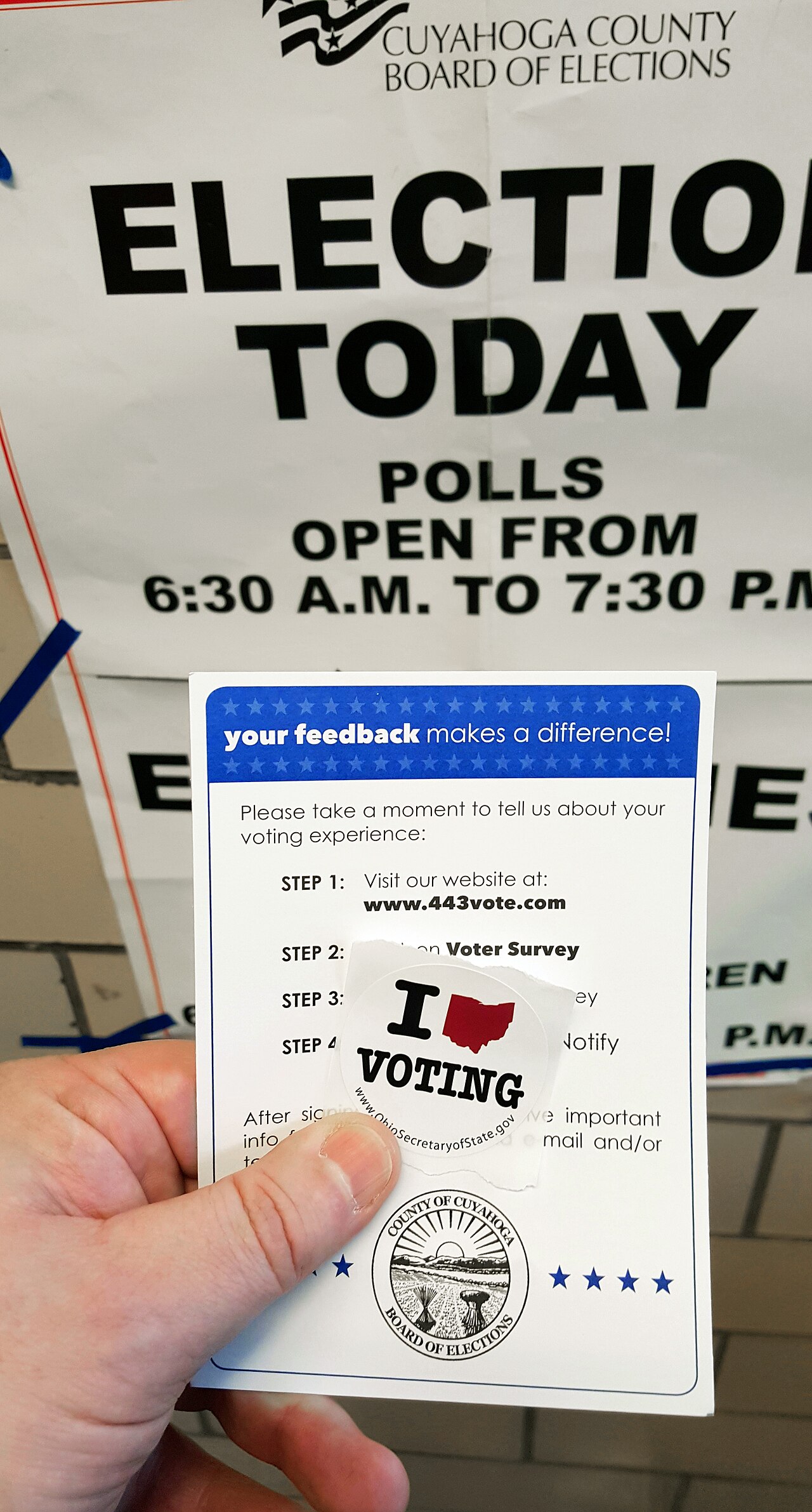
- Ohio voting photo: Tim Evanson (Cleveland Heights, Ohio), Wikimedia Commons, "I voted - Ohio primary election - March 15, 2016", licensed CC BY-SA 2.0. It shows an archive voting scene from 2016, not the November 2026 election.