Meta said in a filing on October 22, 2026 that it has agreed to spend "about $825 billion in the future on various leases and contracts," many tied to AI computing power and infrastructure, according to Bloomberg's report via Yahoo Finance. In July, the company reported future commitments of almost $700 billion. The figure arrives a day after Meta's third-quarter earnings and its announcement of a new non-voting stock class.
Commitments are not the same as capital expenditure, and the difference is the key to reading the number.
What the filing says
| Component | Amount | Described as |
|---|---|---|
| Leases not yet on the balance sheet | $355.7 billion | Data center and energy infrastructure leases starting from the rest of 2026 through 2036 |
| Non-cancelable contracts | $454.5 billion | Short and long-term contracts as of September 30, many for third-party cloud computing, data center energy agreements or consumer hardware for Reality Labs |
| Cloud purchase obligation | Up to $14.7 billion | Cloud capacity over five years; could decrease if the provider sells capacity to other customers |
The three figures sum to about $824.9 billion by our arithmetic, which is consistent with the headline, though the article does not state how the components are combined. No specific counterparties are named; only categories such as cloud providers, energy suppliers and hardware.
Meta's reported future commitments, billions of US dollars
The headline total compared with the filing's two largest components. July's figure was reported as almost $700 billion.
Source: Meta filing as reported by Bloomberg via Yahoo Finance, October 22, 2026. July bar is approximate ('almost $700 billion').
Commitments versus capex
Meta's 2026 capital expenditure guidance is $135 to $145 billion, as covered in our Q3 analysis. Capex is cash spent on assets in a year. Commitments are contractual obligations that stretch across years and, for leases, up to 2036. The two figures answer different questions:
| Measure | Question it answers | Time horizon |
|---|---|---|
| Capex guidance | How much cash goes into assets this year? | 2026 |
| Leases not yet on balance sheet | What facility costs are contracted but not yet recognized? | Rest of 2026 to 2036 |
| Non-cancelable contracts | What purchases can Meta not walk away from? | Short and long-term |
A view of Meta's AI commitment based only on the capex line does not capture obligations that sit in leases not yet started and in purchase contracts.
The change since July
The increase from almost $700 billion to about $825 billion is roughly $125 billion in one quarter, by our arithmetic from the two reported figures. The sources do not break down what drove it. The filing's own wording points at AI computing power and infrastructure as the main category.
Capex shows what a company spent. Commitments show what it can no longer easily stop spending.
Metir analysis
Why disclosure design matters
Bloomberg describes the $355.7 billion of leases as not yet on the balance sheet, meaning they are disclosed in the filing but have not started. For analysts, that means part of an AI builder's obligations is visible in disclosures before it is visible in balance-sheet leverage. Meta's decision the same week to create a new class of non-voting stock is a separate financing tool, and the filing does not link the two.
 Meta
What the article does not establish
- When most non-cancelable contracts take effect.
- Which counterparties hold the largest commitments.
- Whether the cloud purchase obligation will shrink; it depends on the provider's other customers.
- Any peer comparison. The Bloomberg article does not include peer data, so we do not rank Meta against other companies here.
What it means for AI buyers and builders
Large fixed commitments make a company's AI roadmap less flexible on the cost side and more dependent on sustained demand. For customers and developers, the relevant takeaway is portability: workloads that can move between model providers are less exposed to any single provider's capacity or pricing decisions. Using a multi-model interface such as Metir is one way to keep that flexibility.
What to watch
- The next quarterly filing. Whether commitments keep rising at roughly this pace.
- Breakdown disclosure. Any detail on counterparties or timing of the non-cancelable contracts.
- Capex guidance revisions. Whether leased capacity substitutes for owned capex.
- Peer filings. How other large AI builders report comparable obligations.
Sources:
Image credits
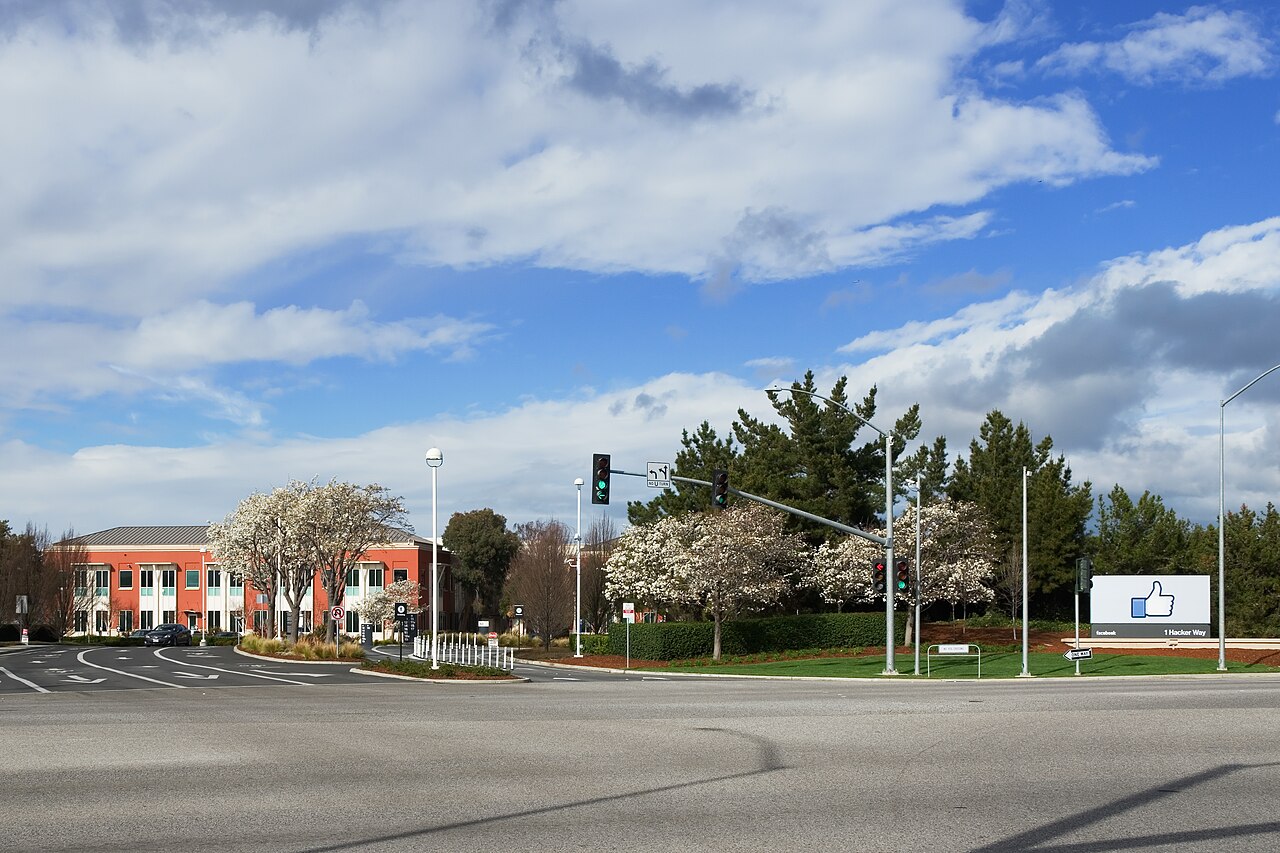
- Hero and in-body photo: "Facebook Headquarters 1 Hacker Way Menlo Park.jpg", released under CC0, via Wikimedia Commons. Reviewed visually before use.