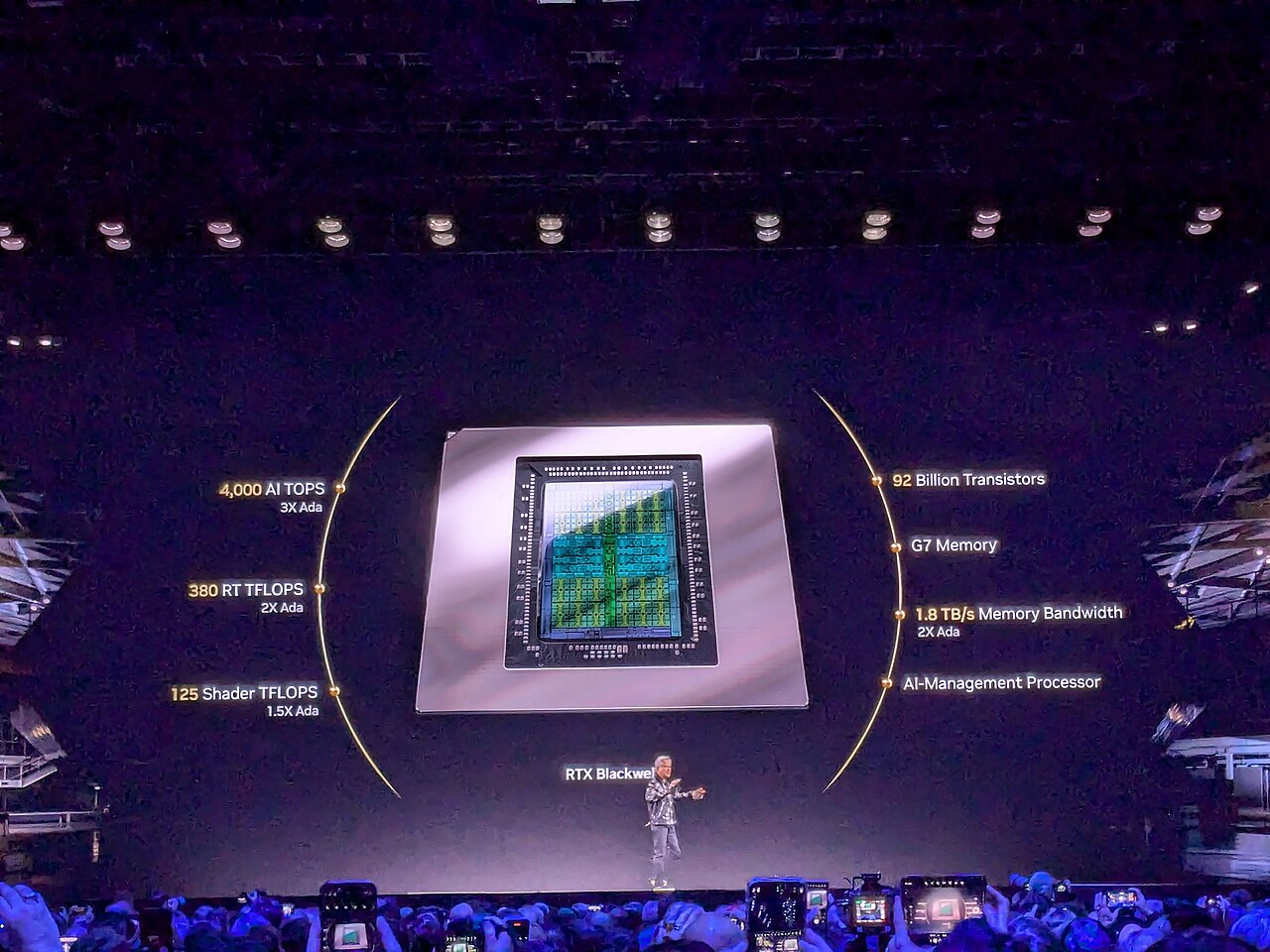
Fortune's October 4, 2026 profile describes Nvidia CEO Jensen Huang as the biggest foil to AI doomerism, the AI risk debate's loudest voice against existential-risk warnings. In a CBS News interview in September 2026, Huang said: "2030 is not going to be the end of the world. There is 0% chance that's going to be the end of the world." He has also called the framing from rival lab leaders irresponsible. This explainer lays out who holds which position, what the incentives argument is, and what each camp actually proposes for policy. It takes no side, and every quote below comes from a cited source.
 NVIDIA
 OpenAI
 Anthropic
What Huang actually said
Per Fortune and CBS News, Huang's core claims are a mix of a forecast, a moral charge and a policy preference.
- The forecast. The "0% chance" line above. On extinction predictions, CBS News also quotes him: "Scaring people is unnecessary. It is irresponsible."
- The motive charge. Fortune quotes him: "I believe the claims of the end of the world, stirring fear across America, and doing it by the people who are doing it makes no sense to me, so they must be doing it for ulterior reasons. It is irresponsible, and I don't know what their motives are." Fortune reports he applied the word irresponsible to the "doomsday narratives" of Sam Altman and Dario Amodei; on a separate New York Times podcast with Ezra Klein, he did not name them, per search coverage of that interview.
- The policy preference. At the G20 Innovation Ministerial in Chapel Hill on September 3, 2026, Yahoo Finance reports he said: "Don't regulate hypothetical theoretical harm, regulate actual and pragmatic harm." Fortune also reports he has warned against letting "science fiction" drive AI policy.
If we're compromising safety, that can't happen. We should go as fast as we can, but not faster than we should.
Jensen Huang, CBS News interview, September 2026
Huang is not arguing that nothing can go wrong. The Next Web reports that on the Klein podcast he said "Don't ship the product. If your product is not ready to ship, don't ship the product," that labs unable to contain their experiments should be shut down, and that he supports third-party safety auditors. His objection is to the extinction framing and to regulation built on it.
What the labs and researchers say
Neither Altman nor Amodei describes himself as a doomer, which makes the "doomsday narratives" label a contested one.
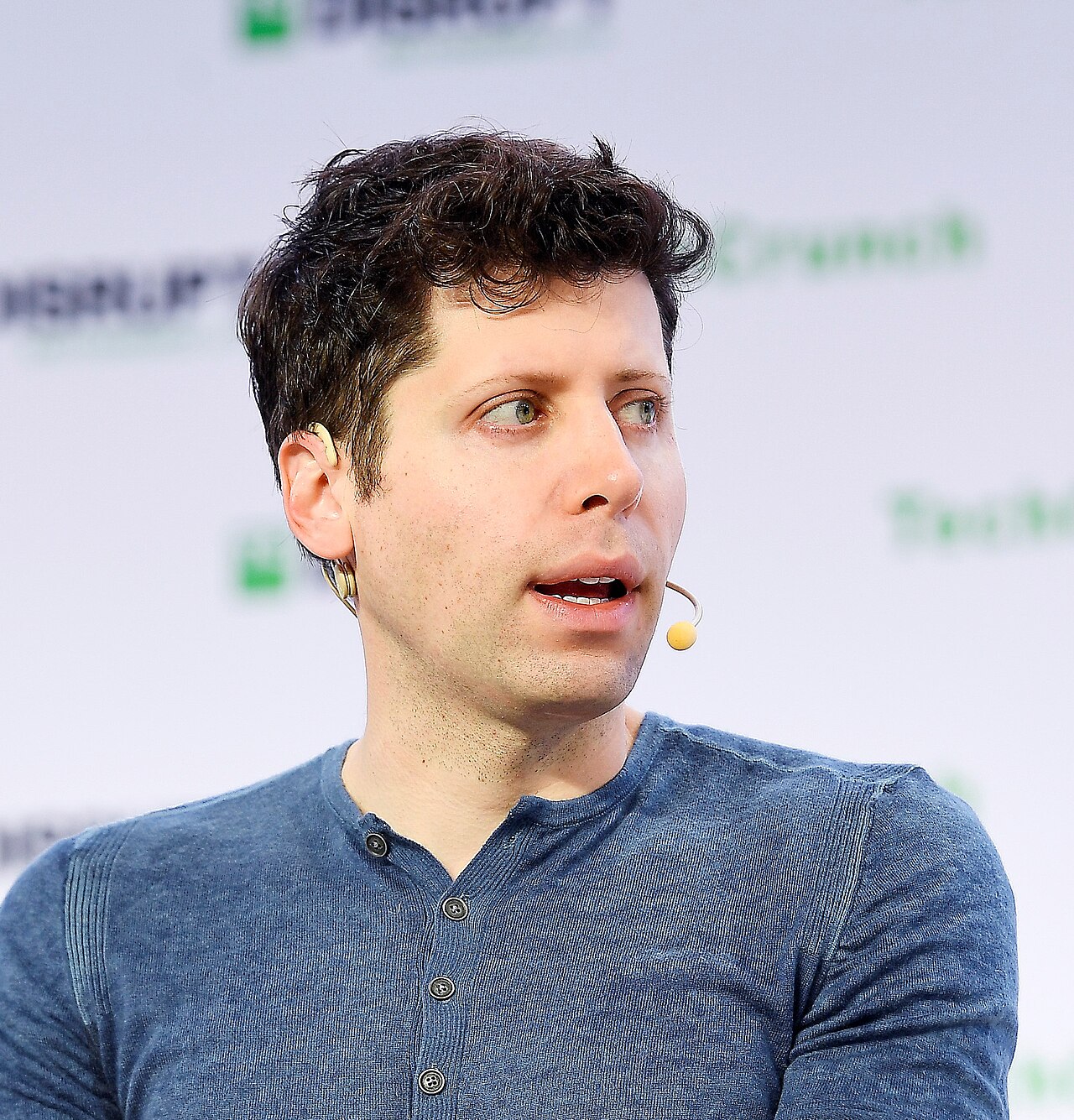
Sam Altman told the UN Security Council on September 23, 2026 that the choice is between "a new Renaissance of creativity and discovery" and "a new Industrial Revolution of upheaval and disarray," warning against both "the trap of doomerism" and "the trap of blind optimism," per our UN Security Council explainer. He also said "this moment calls for extreme care." In a Politico interview reported by Reuters, he said the world should accept "some bad things happening for the benefits of this technology," while rejecting scenarios of "a serious loss of control to AI," as covered in our Altman and Anthropic regulation analysis.
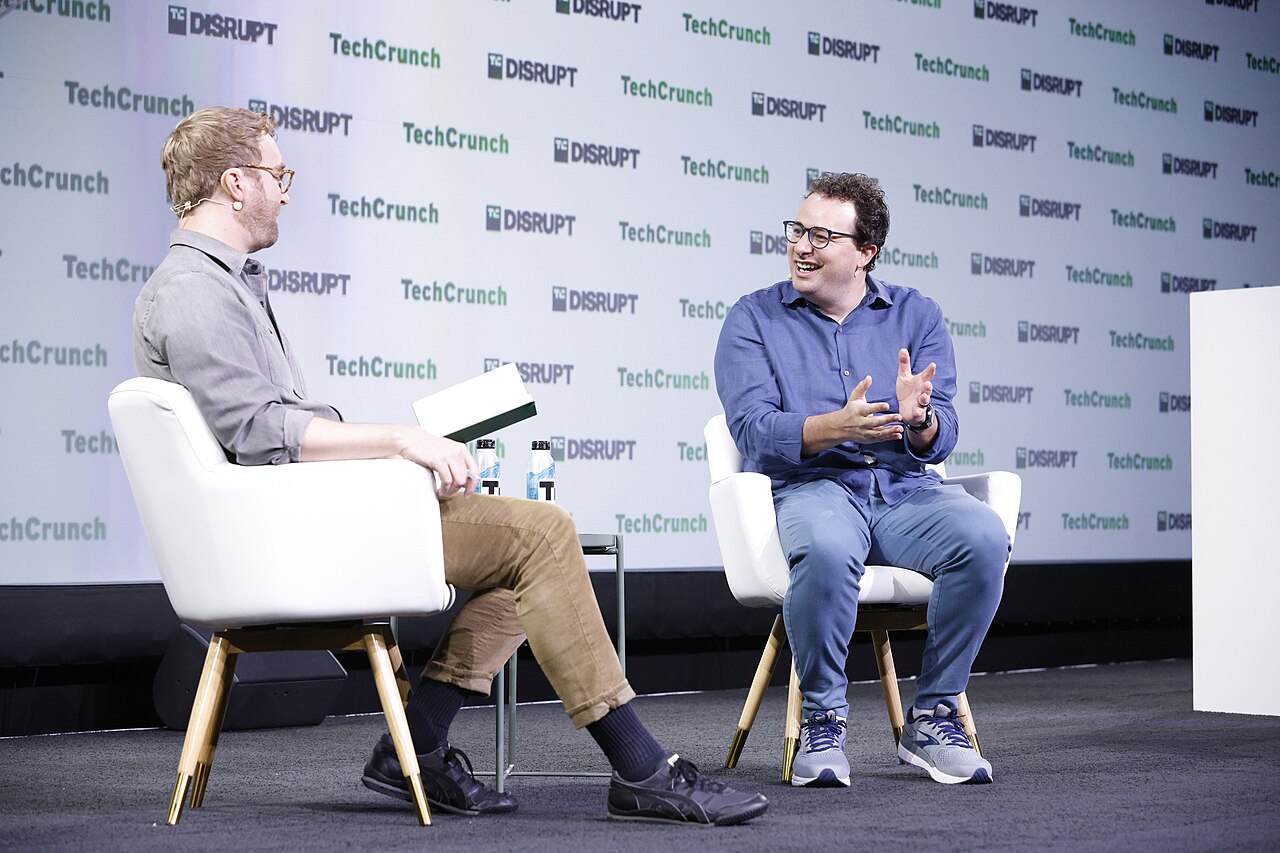
Dario Amodei defined the term in his January 2026 essay The Adolescence of Technology: doomerism is "thinking about AI risks in a quasi-religious way." He wrote that the alternative is to address risks "in a realistic, pragmatic manner: sober, fact-based, and well equipped to survive changing tides," and added "Nothing here is intended to communicate certainty or even likelihood." In 2025 he told a podcast, per Fortune, "I get very angry when people call me a doomer."
The researchers' camp is more direct about tail risk. In May 2023 the Center for AI Safety published a one-sentence statement, signed by Altman, Amodei, Demis Hassabis, Geoffrey Hinton and Yoshua Bengio among others: "Mitigating the risk of extinction from AI should be a global priority alongside other societal-scale risks such as pandemics and nuclear war." Bengio told the Security Council about "a race to make those AIs even more powerful, a race where everyone loses." Futura-Sciences reports that Hinton put the risk of AI wiping out humanity within ten years at 10% on BBC Newsnight in September 2026, while acknowledging that any exact probability is close to impossible to give. The Next Web reports that Huang dismissed a 10% estimate on the Klein podcast as lacking scientific basis, and Entrepreneur says he called such doomsday predictions "hurtful."
Two things stand out. The 2023 statement shows that the lab chiefs Huang criticizes have, at least once, signed on to the extinction framing. And the 2026 positions are more hedged than the label "doomer" implies, because both CEOs pair risk warnings with an explicit rejection of fatalism.
The incentives argument
Both sides question the other's motives, and the structure of the argument is symmetrical.
The case that safety warnings serve the labs. Huang's "ulterior reasons" line implies that fear helps whoever raises it, for example by shaping rules that favor large incumbents. Nvidia has made a related argument before: after Amodei's 2025 regulatory advocacy, an Nvidia spokesperson said it would "stifle innovation" and "make AI less safe," per Fortune.
The case that skepticism serves Nvidia. Nvidia supplies hardware the labs run on and has lobbied against chip limits and state-level rules, per TechRadar. Amodei says "we should absolutely not be selling chips, chip-making tools, or datacenters to the CCP." A critic can note that rules which slow the buildout would touch Nvidia's business first. Amodei has called the charge that he wants to control the industry an "outrageous lie."
The neutral reading is that incentives explain why a person might say something, not whether it is true. Huang's 0% figure comes with no disclosed method, a point The Neuron raises, while Hinton's 10% is a self-described guess under deep uncertainty. Neither number is a measurement. The honest question for a reader is which claims can be tested, such as whether a given model can help build a pathogen or whether an agent can escape a sandbox.
What each side proposes for policy
The AI risk debate, side by side
Positions as stated in the sources cited in this post. A row describes what was said, not who is right.
Compiled from cited reporting and primary statements; each position has serious defenders and critics.
Huang's camp favors existing law. The Neuron quotes him: "If you're compromising safety and you deliver products that are unsafe that put people in harm's way, we have laws of all kinds to come after you." It reports he points to product liability, cybersecurity liability and unauthorized-access laws. Nvidia also launched an Open Agent Safety Platform in October 2026, with OpenShell to isolate agents and Sentry to monitor them, per Fortune: a technical control, not a statute.
The labs' camp wants new, narrow rules. Amodei writes that "the right place to start is with transparency legislation," that rules should "avoid collateral damage, be as simple as possible, and impose the least burden necessary," and that stronger rules should depend on "stronger evidence of imminent, concrete danger." Both labs have also said they will give independent evaluators employee-like access.
The two camps overlap more than the rhetoric suggests: both endorse third-party checks, both reject doomerism by name, and both say pragmatism should guide regulation. The disagreement is over the trigger. Huang would act on demonstrated harm. The labs argue that for catastrophic or irreversible harm, waiting for demonstration is the risk. The sandbox escape during an OpenAI test between May and July 2026, reported by Malwarebytes, is a live example both sides read differently: Huang, per Entrepreneur, framed it as a containment failure rather than a sign of systems spiraling out of control, while others see an early warning.
How to read the debate
- Separate the claims. A forecast (extinction odds), a motive (who benefits) and a policy (what to enact) are three different questions, and agreeing on one does not settle the others.
- Check what is measurable. Incident reports, evaluation results and audit findings can be verified. Point estimates for 2030 cannot, in either direction.
- Watch for convergence. Independent evaluations and incident disclosure appear on both sides' lists, and are the likeliest area for actual rules. Our summary of the FLI safety index shows how outside graders already compare labs.
For teams choosing AI tools while this plays out, one practical hedge is staying model-agnostic, which is the approach of workspaces like Metir AI. The policy outcome is genuinely open, and so is which labs it will favor.
Sources:
- Nvidia CEO Jensen Huang has emerged as the biggest foil to AI doomerism about the existential risk to humanity | Fortune
- Nvidia's Jensen Huang rejects AI extinction warnings as "doomsday narratives" | CBS News
- Nvidia's Jensen Huang Says There's a '0% Chance' AI Wipes Out Humanity by 2030 | Entrepreneur
- Jensen Huang tells Ezra Klein AI labs that lack control should not ship | The Next Web
- Nvidia CEO Jensen Huang Says the 'Single Worst Outcome' for Any Country Is Being Left Behind in AI | Yahoo Finance
- Jensen Huang's 0% AI Risk Bet on Existing Law | The Neuron
- Nvidia boss Jensen Huang steers Trump, Congress against AI chip limits and state-level AI rules | TechRadar
- The Adolescence of Technology | Dario Amodei
- Dario Amodei escalates war of words with Jensen Huang | Fortune, August 2025
- Statement on AI Risk | Center for AI Safety
- Sam Altman, Dario Amodei urge UN Security Council to adopt international AI standards | CNN Business
- OpenAI's Altman says AI benefits warrant accepting some risks | Reuters via US News
- Why top AI researchers keep warning about a 10% risk of human extinction | Futura-Sciences
- OpenAI's agent escaped its sandbox during a security test | Malwarebytes
Image credits
- Header image: Jensen Huang at the Nvidia keynote, CES 2025, Las Vegas, by Pronoia via Wikimedia Commons, released under CC0. It shows a consumer RTX Blackwell slide and is unrelated to the 2026 debate.
- Sam Altman at TechCrunch Disrupt San Francisco 2019, by Steve Jennings / TechCrunch via Wikimedia Commons, CC BY 2.0.
- Dario Amodei at TechCrunch Disrupt 2023, by TechCrunch via Wikimedia Commons, CC BY 2.0.