Google announced on September 9, 2026 that it will invest at least €13 billion in Finnish digital and AI infrastructure during 2027 and 2028. The company's largest single investment in Europe spans an expansion of its long-running Hamina data center and supporting infrastructure in Kajaani, Muhos, and Vaala, plus energy, battery, community, and environmental projects.
 Google
 Gemini
 Google Cloud
What the €13 billion includes
The headline is broader than server buildings. Google says the program combines data-center capacity with a 22-year agreement supporting the life extension of Finland's Loviisa nuclear plant, new onshore wind capacity, and a 94-megawatt battery system intended to stabilize the grid during cold, low-wind periods.
The company also allocated €31 million over four years to communities near its sites, including AI training for more than 4,400 workers and data-center training opportunities for 100 Finnish students. Google estimates that construction in 2027 and 2028 will support more than 37,000 jobs nationwide and add €3.6 billion annually to Finnish GDP. Those figures are company projections, not measured outcomes.
Google's Finland commitment by scale
Bars use a compressed visual scale so the community investment remains visible. Labels show the actual euro amounts.
Source: Google, September 9, 2026. GDP contribution is Google's estimate for the construction phase.
Why Finland fits AI infrastructure
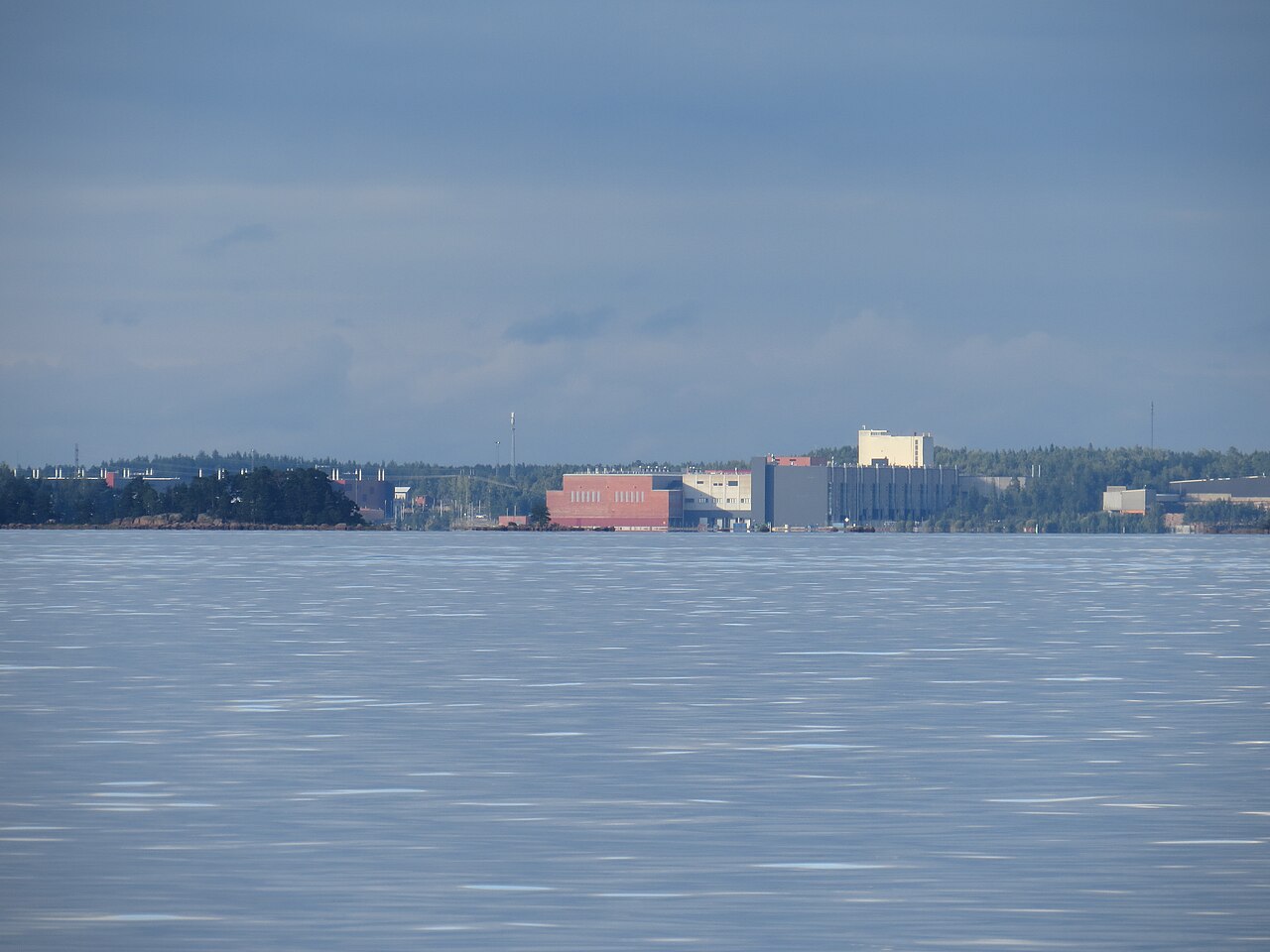
Finland offers several advantages that are increasingly difficult to secure together: a cool climate, relatively low-carbon electricity, available industrial sites, and grid institutions that can support large new loads. Google's Hamina campus also has operating history. Built in a former paper mill, it uses seawater cooling and is developing heat recovery for the local district-heating network.
The strategic logic is not only environmental. AI services require capacity close enough to users to meet latency, resilience, and data-governance needs. Expanding inside the European Union gives Google more regional capacity while governments are pressing cloud and AI providers to demonstrate where data is processed and how energy demand is supplied.
The grid promise is the key dependency
The investment arrives amid a wider European data-center power bottleneck. A large project can create jobs and demand for clean generation, but it can also tighten electricity supply, require expensive transmission work, and expose households to higher costs if those upgrades are socialized.
Google's package tries to answer that concern upfront through generation contracts, battery capacity, and local funding. The evidence test comes later: whether new electricity supply and flexibility arrive on the same schedule as the compute load, and whether projected economic benefits materialize outside construction.
Finland is not only selling Google a cold place to put servers. It is offering an energy system that the company believes it can expand alongside them.
Metir analysis
This makes the Finnish plan a useful model for judging future AI infrastructure announcements. The relevant unit is no longer just capital expenditure or megawatts. It is the full package of compute, generation, grid flexibility, heat reuse, workforce investment, and who bears the remaining risk.
Sources:
- Google deepens its commitment to Finland with a €13 billion investment | Google
- Google's responsible clean energy growth blueprint for Finland | Google
- Google announces €13 billion infrastructure build-out in Finland | ITPro
Image credits
Google's Hamina data center campus, IA, via Wikimedia Commons, licensed under CC BY-SA 4.0.