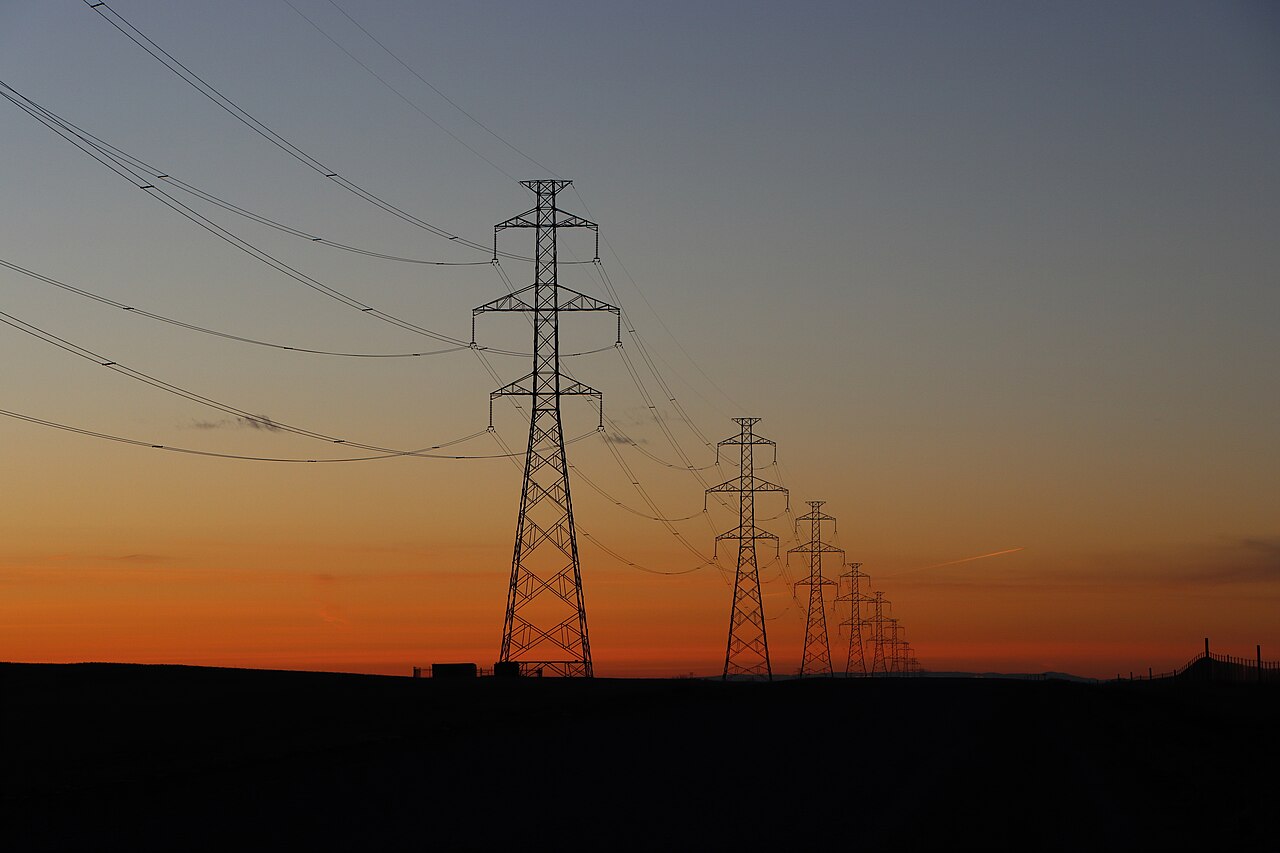
Through 2026, a quieter constraint on AI has come into focus in Europe, and it is not chips. Across several countries, the grid operators that connect new facilities to the electricity network have been pausing or slowing connections for data centers, because the power simply is not there to give. The most striking case is Denmark, where the state grid operator's connection queue reportedly reached about 60 gigawatts, roughly nine times the country's peak electricity demand of around 7 gigawatts. When a queue is nine times larger than the entire national peak, the story is no longer about building faster; it is about a physical ceiling.
 Google
 Microsoft
 AWS
AWS NVIDIA
The bottleneck moved from compute to electrons
For most of the AI buildout, the scarce resource everyone talked about was compute: GPUs, and the money to buy them. That framing quietly stopped being complete. A data center is useless without power, and power at the scale AI now requires depends on transmission lines, substations and generation that take years to permit and build. The reporting out of Europe makes the shift explicit: the defining risk for expansion has moved from the efficiency of the computers to the physical availability of grid-scale electricity.
Denmark's connection queue was about nine times national peak demand
Reported grid-connection request queue versus Denmark's peak electricity demand, in gigawatts. A queue this far above total national load is why the operator paused new connections.
Source: industry reporting on Denmark's grid-connection queue and peak demand, 2026. Figures are as reported, not a primary grid-operator filing.
That reframing matters because the two constraints behave very differently. Compute scarcity eases quickly, new chips ship every year, prices fall, supply catches up. Grid scarcity does not. A high-voltage line or a new substation is a multi-year civil-engineering project bound by permitting, land, and public consent, and it cannot be accelerated the way a chip order can. When the binding constraint is the grid rather than the silicon, the timeline for AI infrastructure stops being set by semiconductor roadmaps and starts being set by the far slower clock of energy infrastructure.
A high-voltage line is not a chip order. You cannot fab your way out of a grid that takes a decade to build.
On why grid scarcity is stickier than compute scarcity
Freezes, queues and multi-year waits
Denmark is the sharpest example, but not the only one. According to industry reporting, its grid operator paused new connection agreements as the queue swelled far beyond what the network could absorb, and had not lifted that pause. The Netherlands and Ireland have at various points imposed full moratoriums on new data centers, later easing them under specific conditions, and local freezes on new electrical connections have appeared in Dutch cities as well. Across Europe more broadly, reporting puts the typical wait for a new grid connection at seven to ten years, stretching to as long as thirteen in the most congested markets.
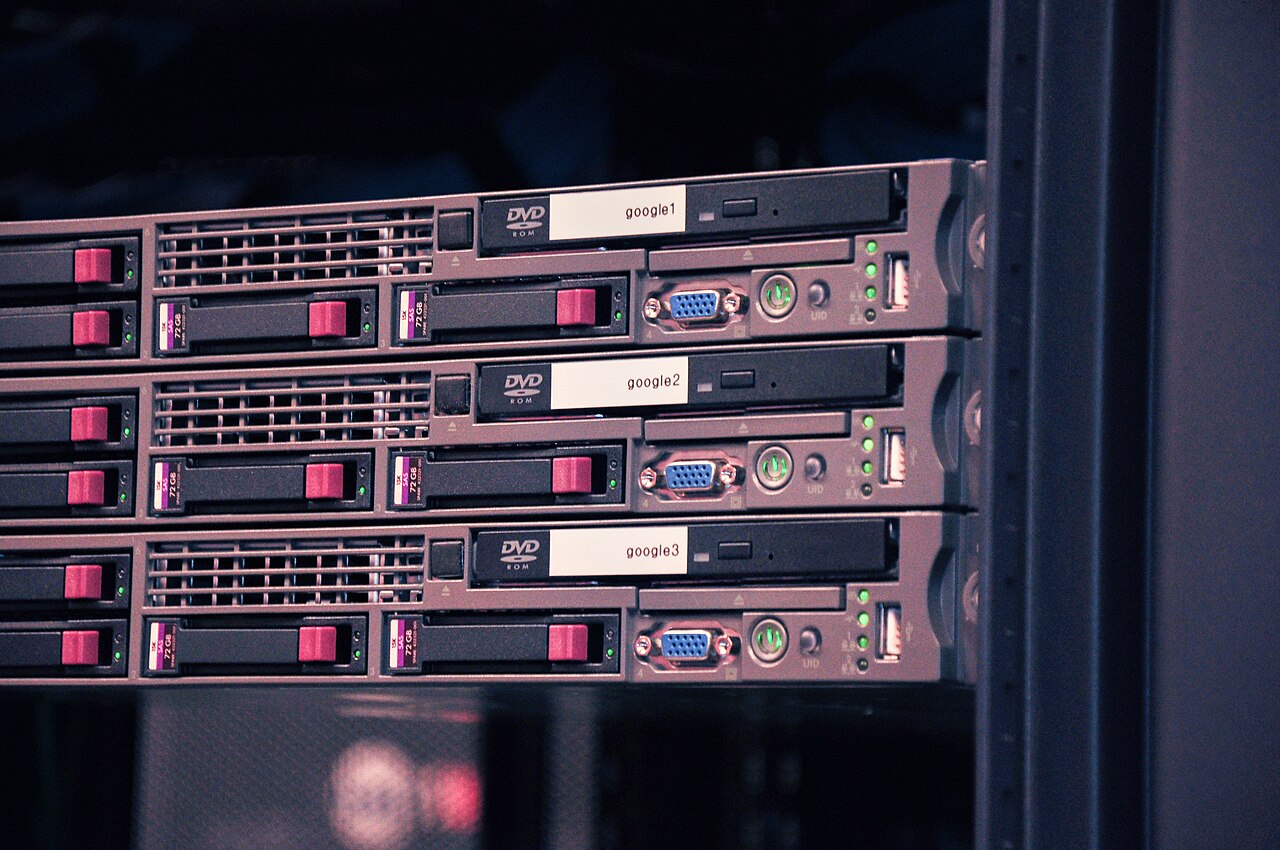
A ten-year connection wait is not a delay; it is a different investment thesis. Capital that expected to deploy a data center in eighteen months cannot sit idle for a decade, so it does one of three things: it goes somewhere with spare grid capacity, it pays to build its own generation, or it does not get spent. Each of those has knock-on effects, on where AI capacity physically lands, on who ends up owning power plants, and on how much of the projected European buildout actually materializes versus stays on a spreadsheet.
The demand side keeps climbing
The pressure is not easing, because demand is still rising fast. Reporting projects European data center electricity demand roughly doubling between 2024 and 2035 to around 236 terawatt-hours, with total European data center investment projected near 176 billion euros between 2026 and 2031, much of it explicitly constrained by whether the grid can be made ready in time. That combination, surging demand against a supply side measured in decade-long projects, is what turns a routine infrastructure question into a genuine bottleneck.
It also creates a distributional problem that is starting to surface politically. When large new loads compete for scarce grid capacity, the costs of upgrading and balancing the network can land on other users, and the question of who pays for the grid that AI needs becomes a live one. That tension, between the economic pull of AI investment and the strain it puts on shared infrastructure, is exactly why grid operators, not just companies, have become decisive actors in where AI can grow.
When the grid is the scarce resource, the grid operator, not the chip vendor, decides where AI capacity can be built.
On who now gates the buildout
Why efficiency stops being optional
There is a second-order consequence worth drawing out. When power is the binding constraint, the value of doing the same work with less electricity rises sharply. For most of the boom, efficiency was a nice-to-have next to raw capability; in a grid-constrained region it becomes a hard limit on how much you can serve at all. Every watt saved through a more efficient model, a cheaper inference path, or work routed to where power is available is a watt that can serve another user rather than sit blocked in a connection queue.
That is the quiet link between a continental grid story and ordinary software decisions. The efficiency of how AI work is run, which models are used for which tasks, how much compute each query actually needs, aggregates up into electricity demand, and in Europe that demand is now bumping against a physical ceiling. Infrastructure that stays flexible about where and how work runs, the model-agnostic approach platforms like Metir take by routing across models rather than tying everything to the heaviest option, is one small piece of the efficiency that grid-constrained regions increasingly require. It does not build a transmission line, but it changes how much has to be built.
What to watch
The questions that will decide how this plays out are concrete. Do the grid freezes hold, pushing AI capacity toward regions and countries with spare power, or do fast-tracked permitting and on-site generation relieve them. Does the projected European demand actually materialize, or does the grid constraint quietly cap it below the headline forecasts. And does the cost of the required grid upgrades get shared in a way the public accepts, or does it become a political flashpoint that slows things further. None of these are settled, and all of them are now as central to AI's trajectory in Europe as any model release.
The bottom line
The European grid story is a reminder that AI runs on physics, not just funding. The scarce resource has shifted from chips, which the market resupplies quickly, to grid-scale power, which takes years and cannot be rushed. Denmark's queue at nine times national peak demand, multi-year connection waits, and freezes from the Netherlands to Dutch cities are all symptoms of the same thing: demand growing on a semiconductor clock against supply built on an infrastructure clock. That mismatch does not stop the AI buildout, but it does relocate it, reprice it, and make efficiency a requirement rather than a virtue. The honest reading is that in Europe, for now, the grid, not the GPU, is the gating factor.
Sources:
- Europe is hungry for AI data centres, but its energy grid cannot feed them, Euronews
- Denmark faces data center reckoning as power grid overwhelmed by surging demand, CNBC
- The $176 Billion Detour: How Europe's Data Centers Built Regulatory Workarounds When the Grid Said No, Avanza Energy
- AI Data Center Power: Grid Limits Reshape Energy in 2026, Enki AI
- Denmark Data Center Grid Freeze: 60 GW Were Waiting, Compute Forecast
Image credits
- Hero: high-voltage electricity transmission towers at sunset. Wikimedia Commons, by Kkiefuik, licensed CC BY 4.0.
- Data center servers: Wikimedia Commons, by Wesley Nitsckie, licensed CC BY-SA 2.0.