On October 14, 2026, shares of CoreWeave (Nasdaq: CRWV) fell sharply as the yield on its unsecured 2032 notes moved to roughly 15%, according to several market reports. Coverage differs on the size of the equity move (intraday declines of about 10% to 16% were reported), but it agrees on the direction. This piece sets out what was reported, how to read a bond yield next to a contract backlog, and which questions the numbers leave open.
What was reported
Secondary coverage of the session describes the following, with figures that vary slightly by outlet:
- The yield on CoreWeave's 9.625% senior unsecured notes due 2032 rose from about 13.4% at the start of October to roughly 15%, according to one report. Another account says the notes closed the session near 14.5%.
- Bloomberg, citing Trace data, reportedly said the 2032 notes traded below 80 cents on the dollar, a level market participants often associate with distress.
- In an internal memo seen by Reuters, CEO Mike Intrator reportedly argued that the company's backlog more than supports its debt and said the market can "misunderstand and act irrationally".
- Co-founder Brannin McBee reportedly said investment-grade ratings would open borrowing from insurers, whose capital he described as "effectively unlimited".
- Peers also fell: Nebius dropped about 6% in the same report, and Oracle slipped.
 NVIDIA
 Anthropic
How to read a yield
A bond's yield is the return an investor earns if they buy at today's price and hold to maturity. When the price falls, the yield rises. A 9.625% coupon bond trading below par therefore yields more than 9.625%. A move from about 13.4% to about 15% means investors demanded materially more compensation to hold the same promise to pay.
That is a market price for risk, not a default. The same debt can be fully serviced for years while its price swings. What the yield does show is the cost of raising new money: if CoreWeave issued similar unsecured debt at those levels, each additional dollar would be expensive.
CoreWeave: contract backlog vs debt obligations
Billions of US dollars, approximate, as reported by secondary coverage. Backlog is contracted future revenue, not cash.
Backlog against debt
Reported backlog near $104 billion is about twice approximate debt of $52 billion. That ratio is the central argument in management's defence. Three caveats help frame it:
- Backlog is revenue, not cash. It is contracted future revenue, recognised over several years, while interest is paid on a schedule.
- Costs sit between the two. Revenue must cover power, data centre leases and staff before it can service debt.
- Counterparty and delivery risk matter. Backlog converts to revenue only as capacity is delivered and customers continue to pay.
One reported data point sharpens the tension: Q2 2026 interest expense of about $640 million was said to exceed adjusted operating income for the quarter. Both can be true at once: a large contracted pipeline and a period in which financing costs absorb early profits.
Secured versus unsecured
One report notes that much of CoreWeave's debt is secured by chips and the customer contracts attached to them. The 2032 notes are described as unsecured, so they sit behind secured lenders in a stress scenario. That structure is why unsecured yields can widen faster than the cost of asset-backed facilities, and why a single bond's yield should not be read as the cost of all the company's borrowing.
Why the story travelled
Several threads converged. The same week saw a wider chip and AI selloff tied to inflation and rate expectations, and commentators on social media amplified the bond chart. Earlier in 2026 the credit default swap market had already flagged concern, covered in our look at CoreWeave's CDS spike. Credit markets and equity markets price different questions, so a divergence in either direction is informative on its own terms.
Questions that remain open
- Whether the yield move reflects CoreWeave-specific risk or a broader repricing of AI-linked high-yield debt.
- Whether investment-grade ratings, which management has pointed to, are attainable on the current structure.
- How much of the backlog depends on a small number of large customers.
- How sensitive financing costs are to the rate path the Federal Reserve signals.
For teams building on AI infrastructure, the practical takeaway is portability: capacity pricing and availability can shift with credit conditions, which is one reason many teams keep workloads able to move between providers and models, as tools like Metir are designed to allow.
Sources:
- 247WallSt: CoreWeave falls as bond yield touches 15%
- Crypto Briefing: CoreWeave shares plunge as bond yields near 15%
- KuCoin News: CoreWeave stock falls as bond yields hit 15%
- ROIC.ai: CoreWeave CEO defends financial strength
- CNBC: CoreWeave stock and bond yields
- The Neuron: Everything that happened in AI, Oct 15, 2026
Image credits
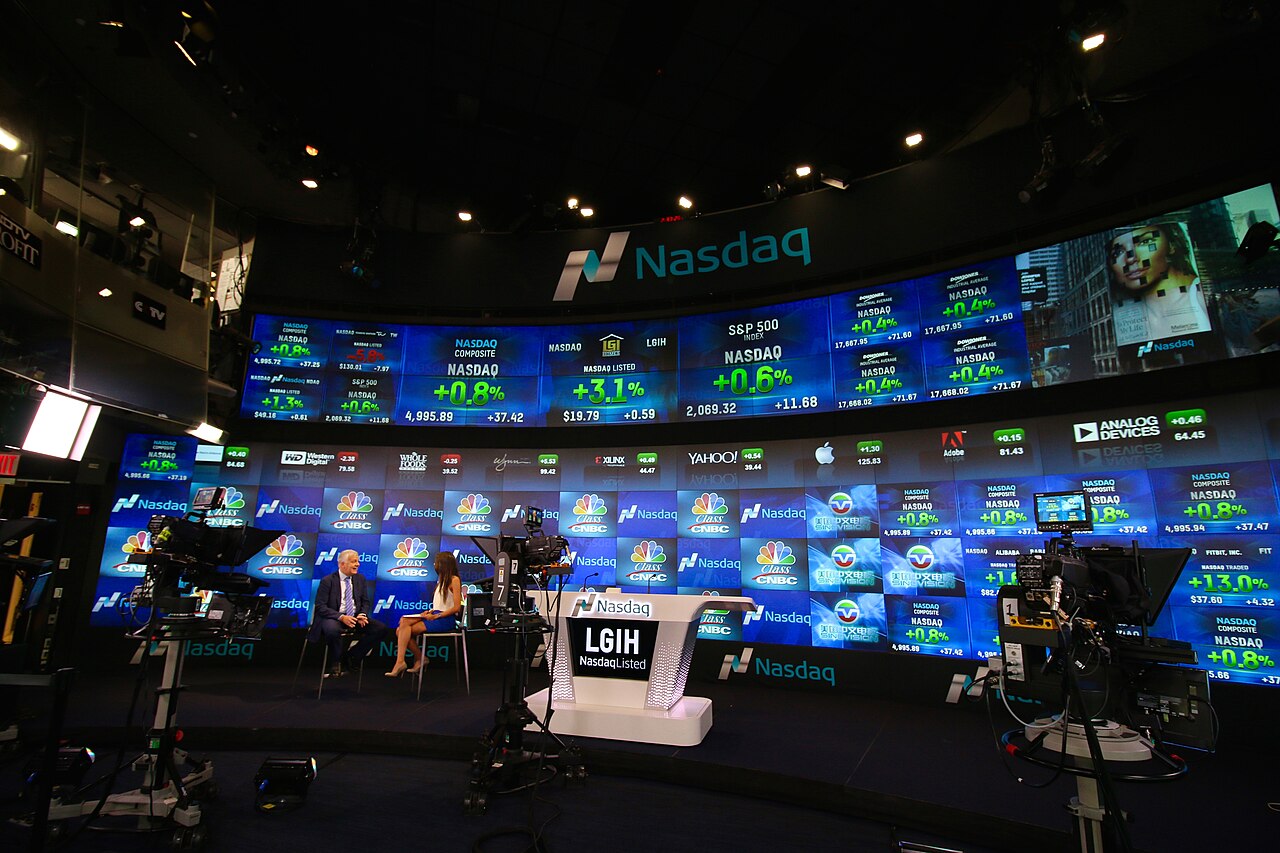
- Header: Nasdaq MarketSite studio, Times Square, via Wikimedia Commons, CC BY 2.0. A generic venue photo, not a CoreWeave image.
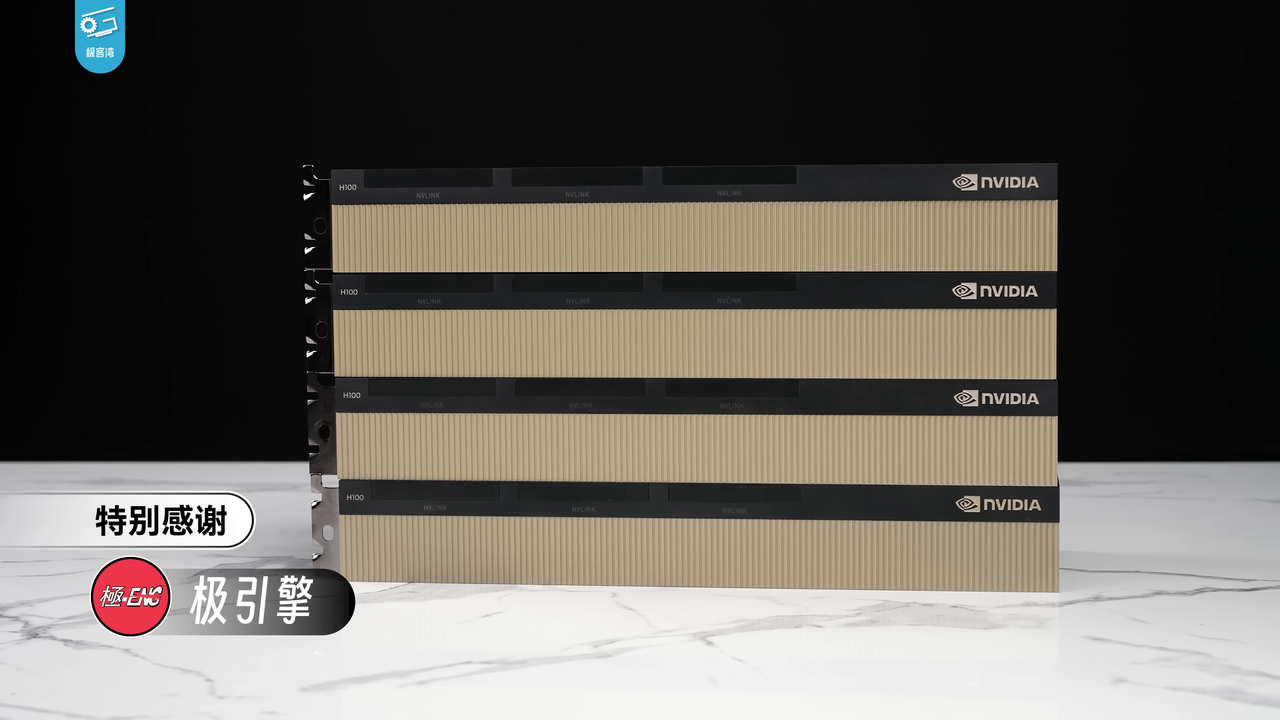
- NVIDIA H100 cards: Geekerwan via Wikimedia Commons, CC BY 3.0.