On November 13, 2026, OpenAI introduced ChatGPT Wallet, which it says "begins rolling out today in dots," its always-on agents. The design question behind any agent wallet is how an agent can pay without being trusted with the card. ChatGPT Wallet answers with network tokens and a biometric check on each purchase, and press reports show that merchants and banks are answering the same question differently.
 OpenAI
Who can use ChatGPT Wallet
Per OpenAI's announcement, the wallet is initially available through Dots to ChatGPT Pro subscribers in the US who are 18 or older and hold eligible US-issued cards. OpenAI says it built the product with American Express, Chase, Mastercard and Visa, and that it will work with businesses, banks and networks to expand availability, without giving a timeline or other countries. Stockanalysis and others report that it works only through Dots. The announcement lists no fees, so we make no claim about OpenAI taking a share of transactions.
Tokenization: the agent never holds the card
A user adds a card once. At purchase time, the payment network issues a payment token, which OpenAI describes as "a substitute for the user's actual card details." The token carries its own card number, security code and expiration date, and the business and agent do not receive the real card details. OpenAI adds that users keep their existing card rewards and protections for eligible disputes. It does not say whether tokens are single-use.
One ChatGPT Wallet purchase, step by step
What each party handles, as OpenAI describes the flow.
- 1You: Add an eligible US card onceHandles: Real card details
- 2Dots agent: Finds items and starts checkoutHandles: No card details
- 3You: Review items, total and card; approve with Face ID or fingerprintHandles: Real card details
- 4Card network: Issues a payment token, a stand-in for the cardHandles: Real card details
- 5Merchant: Charges the tokenHandles: Token only
Four layers, four different gatekeepers
Merchant and issuer rows come from press reports, not from OpenAI's announcement.
Approval: a human check on every purchase
Before each purchase, the user reviews the items, total and selected card, then approves with a security check such as Face ID or a fingerprint scan. Each approval creates a record of what the user authorized. OpenAI also says users may later be able to set spending limits, categories or time periods and pre-approve purchases, with "enhanced safeguards" including biometric checks, but gives no date.
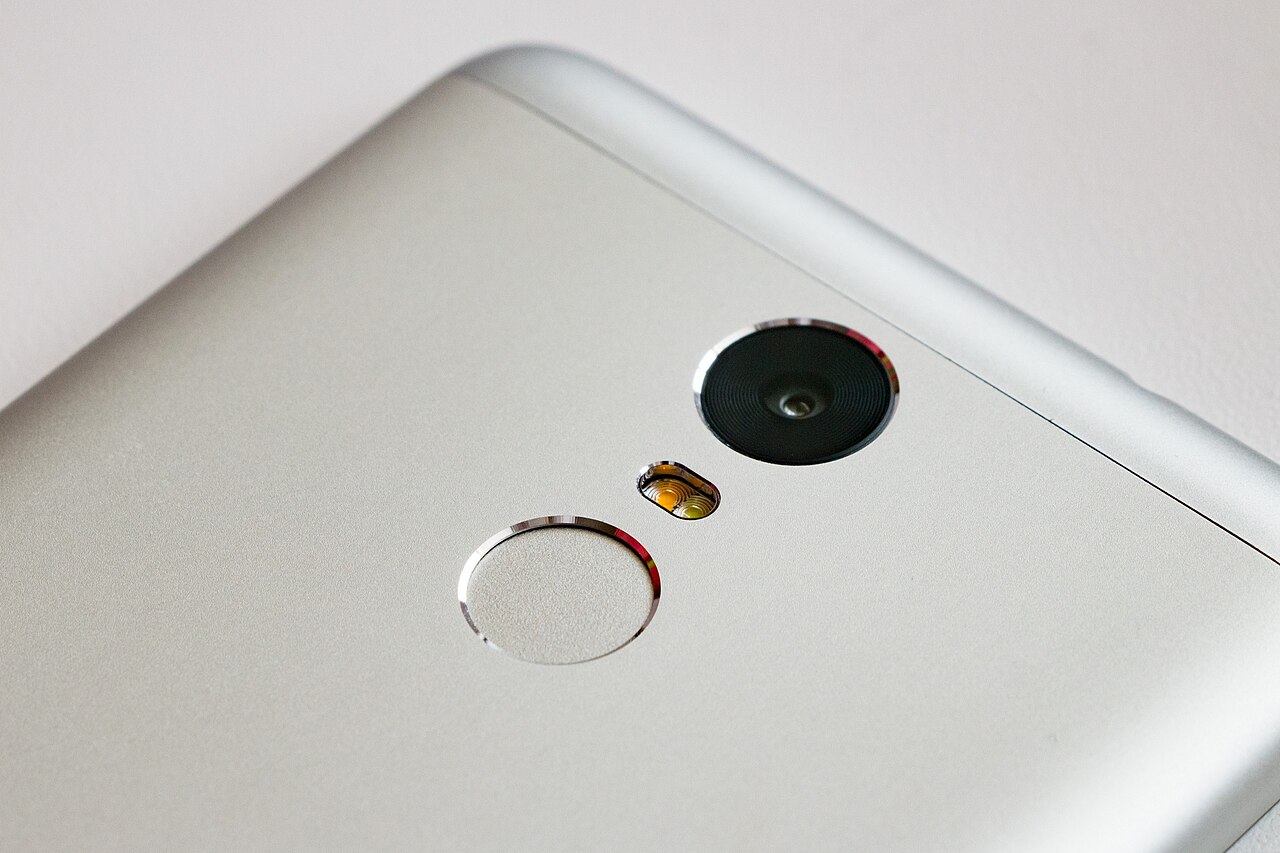
The two controls cover different risks. Tokenization limits what a leaked or misused credential can expose. Biometric approval limits what the agent can spend. Neither addresses whether a merchant will accept the agent at all.
Who blocks whom
OpenAI's page names no blocking merchants, saying only that "Some sites may unintentionally block purchases." It points businesses to Web Bot Auth signed requests and a Commerce Partner Playbook.
Press coverage fills in the picture. Accounting Today reports that Booking.com, eBay and Yelp forbid AI agents outright, while Amazon, Target and United restrict them to narrow uses. We covered United's policy, Amazon's block of Meta's agent and Walmart's gateway approach earlier.
The wallet hides the card from the agent. It does not decide whether the merchant or the bank will let the agent in.
The issuer layer
PYMNTS, citing the Wall Street Journal, reports on November 13 that JPMorgan Chase blocks agents from shopping with card numbers that customers hand over. Per the same report, cards from Bank of America, Capital One and Citigroup are already used by agents, and Stripe's Link gives agents a one-time virtual card instead. PYMNTS also says Visa and Mastercard offer agentic tokens that hide card numbers and carry spending limits, but that JPMorgan has been slow to adopt them. That sits close to the question of what banks allow agents to do. The contrast is that raw numbers are blocked, while network-issued tokens are the route the networks themselves are building.
What this means for builders
- Credential design matters more than model quality. Agent payments depend on what the agent holds, which is a token, not what it knows.
- Expect per-platform rules. Wallets, merchants and issuers set separate policies, and a purchase needs all of them to agree.
- Keep payment steps portable. Teams using several models through one interface, as in Metir, can swap the model without redoing the approval and credential setup.
Sources:
- OpenAI: Introducing ChatGPT Wallet
- Accounting Today: ChatGPT can now buy things, if the seller allows agents
- PYMNTS: JPMorgan Stops AI Agents From Using Customer Credit Cards
- Stockanalysis: OpenAI launches ChatGPT Wallet
Image credits
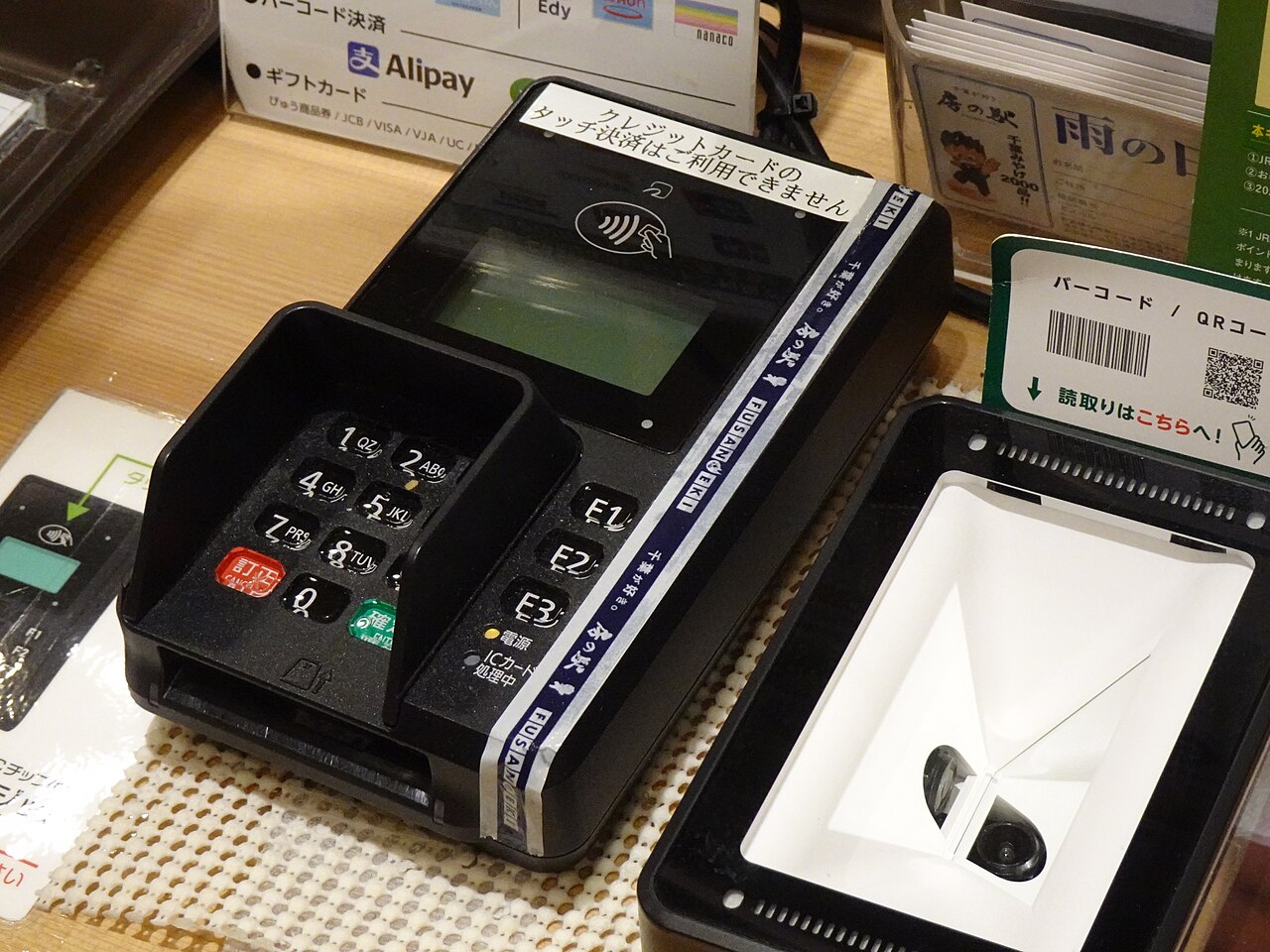
- Hero: a card payment terminal with a contactless symbol beside a QR code reader in Japan. RuinDig/Yuki Uchida, Wikimedia Commons, CC BY 4.0. A generic illustration, not a ChatGPT Wallet device.
- Fingerprint sensor on a Xiaomi Redmi Note 3. Ilya Plekhanov, Wikimedia Commons, CC BY-SA 4.0.