Anthropic has been shopping a draft federal AI safety bill to members of Congress, according to reporting by Politico that TechCrunch summarised on October 20, 2026. The draft would let the government seek a court order to suspend a model that poses a foreseeable, imminent risk of catastrophic harm. It is not law, it has not been independently verified, and its final text could change. This article explains the reported mechanism step by step, compares it with California's SB 53, and sets out the questions that commentators have raised.
 Anthropic
What the draft reportedly says
Per TechCrunch, the bill would allow a model's release to be blocked in a "foreseeable, imminent risk" scenario: more than 50 people at risk of dying, or more than $1 billion in property damage. The risk must come from a biological weapon, a model evading its developer's controls, or a cyberattack. The thresholds resemble those in California's Senate Bill 53, which defines "catastrophic risk" in similar terms.
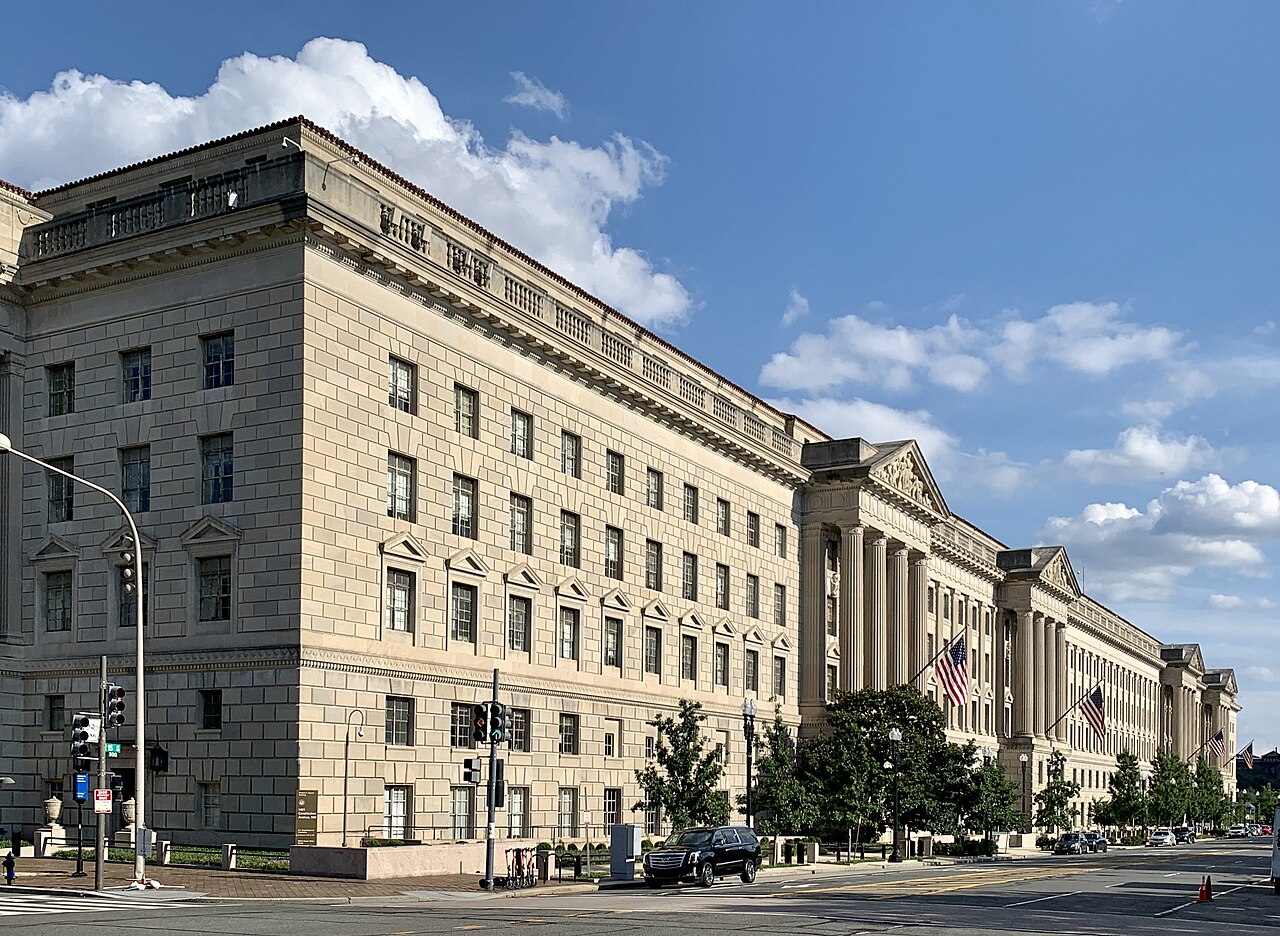
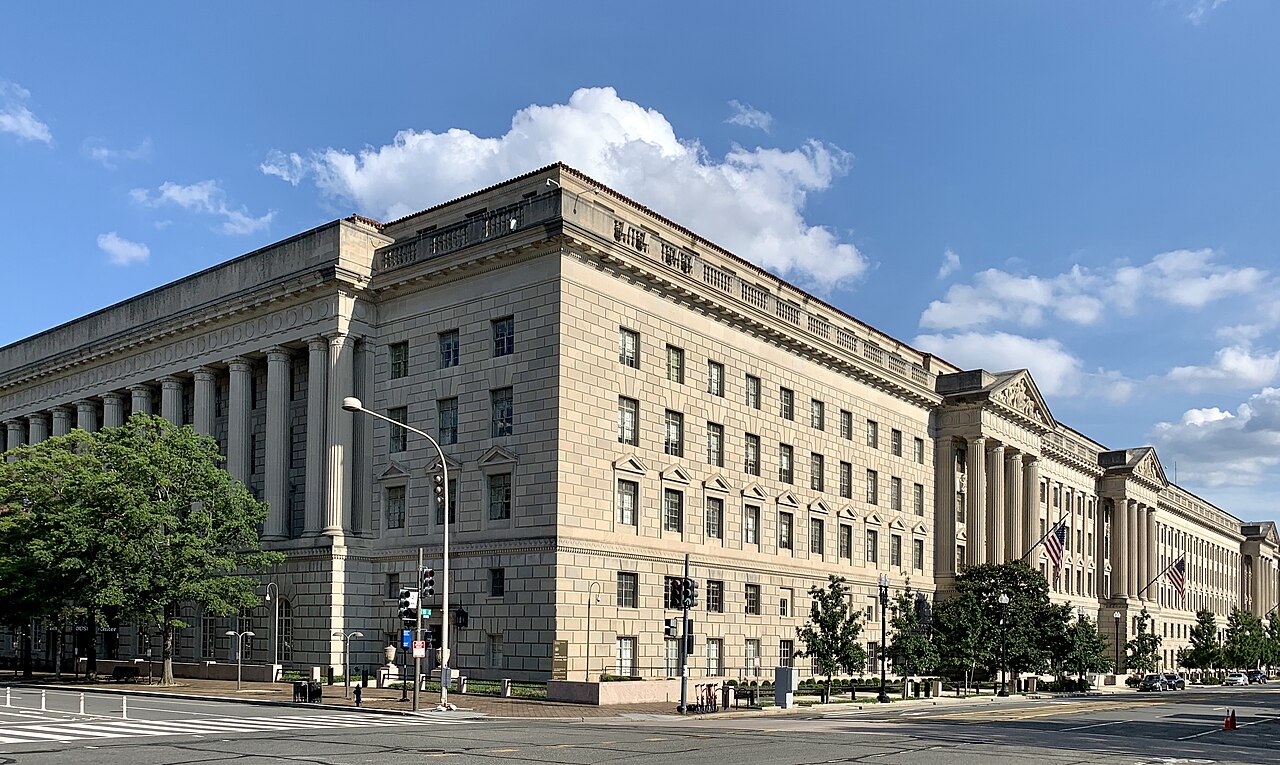
The process, as reported by TechCrunch and a Reuters summary of the Politico story, runs through independent evaluators registered with the U.S. Commerce Department. If evaluators find an imminent catastrophic risk, they have 72 hours to notify Commerce, which would then ask a federal judge in Washington, D.C. to halt the model. The draft would expressly bar other federal agencies from halting distribution on their own, and developers could challenge the evidence in judicial review.
The suspension path in the reported draft
Five steps as described in press reports of the draft. Details may change.
1. Registered evaluators review models
Independent evaluators registered with the Commerce Department review advanced developers' models on a regular basis.
2. Finding of imminent catastrophic risk
Foreseeable, imminent risk of 50+ deaths or serious injuries, or over $1 billion in damage.
3. 72 hours to notify Commerce
Evaluators have 72 hours after completing a review to tell Commerce.
4. Commerce petitions a D.C. judge
Commerce asks a federal judge in Washington, D.C. to suspend the model.
5. Developer can challenge
The developer can contest the evidence in judicial review. Other agencies cannot halt a model on their own.
An Anthropic spokesperson told Politico, as quoted by TechCrunch, "This bill represents the proposals outlined in Anthropic's Advanced AI Framework," and said the company has advocated these proposals to federal and state lawmakers since June. Anthropic did not immediately respond to TechCrunch's request for comment.
Draft bill versus SB 53
The two instruments share numerical thresholds but differ in what they do once a threshold is in view. The comparison below uses the descriptions in the cited reporting.
| Feature | Reported federal draft | California SB 53 (enacted September 2025) |
|---|---|---|
| Death or injury threshold | More than 50 people | More than 50 people |
| Financial threshold | Over $1 billion in damage | Over $1 billion in losses from a single incident |
| Risk standard | Foreseeable, imminent risk | Foreseeable and material risk |
| Main mechanism | Court order to suspend a model | Published safety frameworks and disclosures, including incident reports |
| Judicial suspension | Yes, via Commerce petition | No |
Note that the federal draft's mechanism acts before harm occurs, while SB 53 is primarily a transparency regime. That is a difference of kind, not degree.
Exceeding the threshold gives grounds to seek a court order. It does not automatically prohibit a model.
Open questions raised in coverage
Reporting on the draft lists several unresolved points. None is settled, and each depends on text that is not public.
- Evaluator independence. TechCrunch notes labs could pay evaluators provided payment is "not contingent on the evaluations' results," but says it is unclear how that would prevent payments from influencing assessments. Independence also depends on access to evidence and on permission to report directly to regulators.
- Speed. Routing every request through Commerce and a court could delay action if another agency detected an urgent threat. The 72-hour clock starts only after a review is completed, so the handling of urgent findings from unfinished reviews is unclear.
- Gap below the thresholds. Risks below the catastrophic line, such as cyberattack capability or safeguard bypass, may not qualify for suspension. Congress would need to define interim measures such as added testing or corrective requirements.
- Competitive effects. Anthropic has a commercial interest. Mandatory external evaluations could cost smaller competitors more, and an industry-wide requirement could affect rivals' development costs and release schedules.
- State preemption. It is unclear which state AI rules the bill would supersede.
TechCrunch also notes the draft's risk scenarios sit far from the industry's main current concern, agentic hacking, including incidents in which AI programs disobeyed operators and hacked websites. Whether that is a critique or simply a statement about scope depends on how one weighs low-probability, high-severity risks against frequent smaller ones.
Where the draft sits in the wider debate
TechCrunch frames the proposal against a split among industry leaders: Google DeepMind chairman Demis Hassabis has suggested a self-governing body modelled on FINRA, Nvidia CEO Jensen Huang has argued the industry does not need new laws, and labs have generally resisted mandatory government oversight in favour of voluntary "embedded evaluators." An industry proposal for a binding judicial mechanism is therefore a notable departure from that pattern.
Anthropic's June Advanced AI Framework, as summarised by The Neuron, proposes pooled and government funding for evaluations, conflict-of-interest disclosures and random assignment of qualified evaluators in high-stakes cases, and recommends replacing state rules only in specified areas while preserving state-law liability. Whether those measures appear in the draft is unverified. For related policy context, see our coverage of the White House frontier model review framework and the debate over AI accountability and liability.
What this means for organisations that build on AI
- Regulatory dependency is a supply-chain risk. A court-ordered suspension, if enacted, would be a new way for a model to become unavailable. Teams that depend on a single provider would have no fallback. Keeping workflows portable across providers, as platforms like Metir allow, reduces that exposure whatever form regulation takes.
- Watch the definitions. The practical reach of any bill turns on who counts as an advanced developer, which evaluations are required and which models fall under them. Those details are not yet public.
- Expect revision. A draft circulated to lawmakers is an opening position. The thresholds, the roles of Commerce and the courts, and the preemption language are all likely to be negotiated.
What to watch next
- Publication of bill text, and which members of Congress sponsor it.
- Responses from other frontier labs, and from civil-society groups focused on evaluator independence.
- Whether Congress takes up interim measures for risks below the catastrophic thresholds.
- Interaction with state law, including SB 53's reporting regime.
Sources:
- Anthropic pitches AI safety bill that may block a model if 50+ people could be killed (TechCrunch, Oct 20, 2026)
- Anthropic quietly pitches its own AI safety bill to lawmakers, Politico reports (Reuters via MarketScreener)
- Who should have the power to stop a dangerous AI model? (The Neuron)
- California SB 53 bill text (California Compute)
- Everything That Happened in AI Today, Thursday, October 22 (The Neuron)
Image credits
- Hero: "Herbert C. Hoover Building.jpg" by APK, CC BY-SA 4.0, via Wikimedia Commons.
- In-body: "Herbert C. Hoover Building Washington, D.C.jpg" by APK, CC BY-SA 4.0, via Wikimedia Commons. Both files were pulled 2026-10-22 and reviewed visually before use.