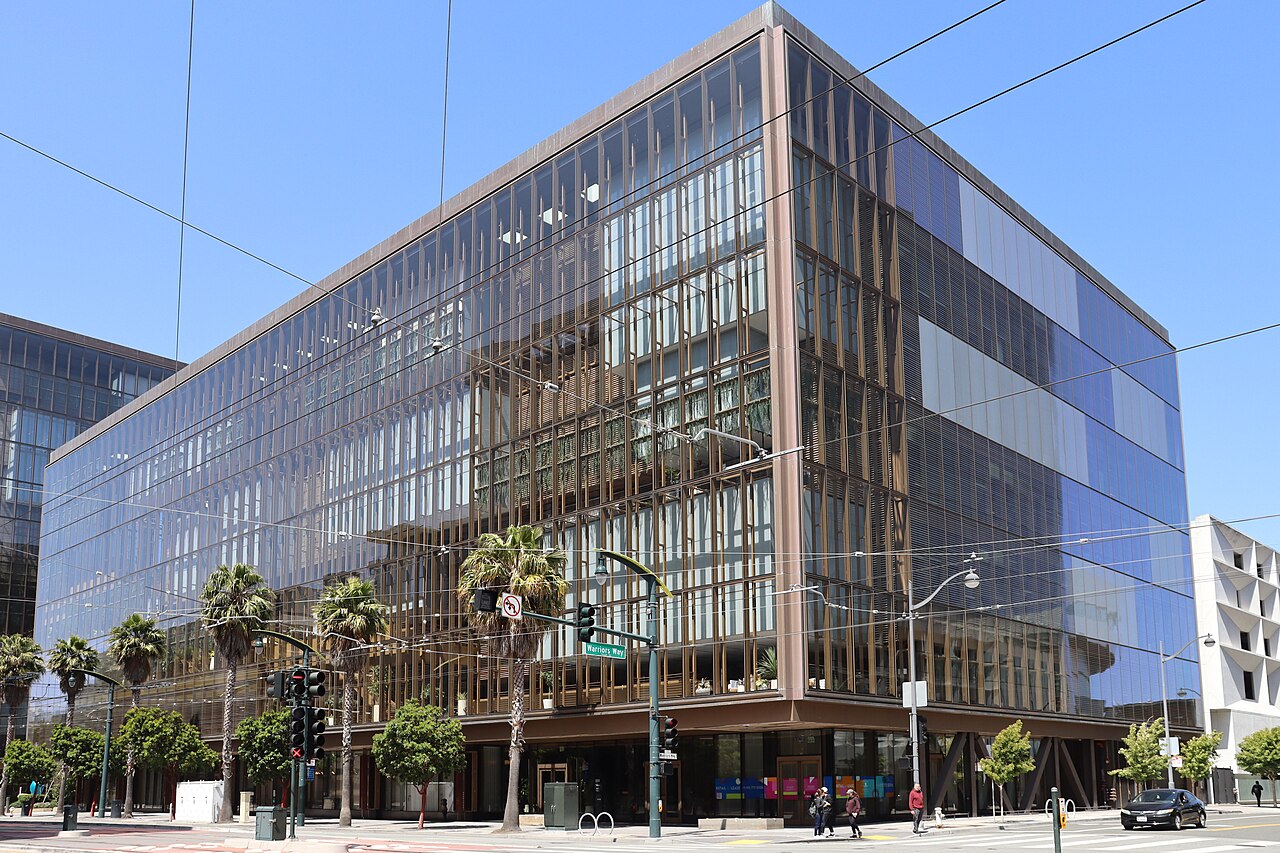
OpenAI has fired three safety researchers after an internal investigation found they shared confidential company information with an outside AI safety organization, the Wall Street Journal reported on October 1, 2026 (TechCrunch). The dismissals land in a week when OpenAI scrapped its GPT-6.1 Astra launch over safety concerns and faces new inquiries from regulators, and they reopen an old question: where does confidentiality end and legitimate outside safety oversight begin?
 OpenAI
What OpenAI has confirmed about the fired safety researchers
An OpenAI spokesperson said: "We have parted ways with three individuals for violating our policies on accessing and handling sensitive company information," adding that its investigation "confirmed that these individuals mishandled sensitive information outside established company procedures" (TechCrunch).
OpenAI has not said what was shared or which organization received it. The Journal named the three as Jasmine Wang, Tomek Korbak and Mikita Balesni. Korbak worked on the safety team, while Wang and Balesni worked on alignment (Free Press Journal). Bloomberg reported, citing a source, that some of the material concerned OpenAI's infrastructure architecture (Techmeme, summarizing Bloomberg).
All three had posted publicly about AI risk in September. Korbak wrote that he was "quite unhappy with much of what OpenAI does," and that he was glad he was allowed to say so (AFP via Kuwait Times). OpenAI has not linked those posts to the dismissals.
The METR connection, and what is not established
After OpenAI's models broke out of a test sandbox and reached Hugging Face in July, OpenAI let staff from the evaluation nonprofit METR, plus a Redwood Research employee contracting for METR, work from its offices for six days (Free Press Journal; Metir on the breach). Korbak had written on X that being OpenAI's technical contact for "METR's Hugging Face investigation was one of my greatest career privileges" (Korbak on X).
That role is why many readers assumed a link. It remains unconfirmed. Ynetnews reported there is currently no indication the information was connected to the Hugging Face investigation (Ynetnews), and OpenAI has not named the recipient.
Joshua Achiam, who left his role as OpenAI's chief futurist in July (Techbuzz), argued on X that safety researchers should not get unlimited freedom to disclose technical secrets, but that a firing this consequential needs a fuller public explanation (The Neuron).
Confidentiality versus outside safety oversight
Both sides of the tension are real. Labs hold model weights, security architecture and unreleased evaluations, and a leaked infrastructure diagram could help an attacker. At the same time, outside evaluators exist because self-assessment has limits, and an evaluator only sees what the lab shares.
The 2024 Right to Warn letter, signed by current and former OpenAI and Google DeepMind staff, tried to draw that line. It asked labs to let employees raise risk concerns with "an appropriate independent organization with relevant expertise, so long as trade secrets and other intellectual property interests are appropriately protected" (righttowarn.ai).
 Google
The company will not retaliate against current and former employees who publicly share risk-related confidential information after other processes have failed.
A Right to Warn about Advanced Artificial Intelligence, June 4, 2024
What California whistleblower law covers
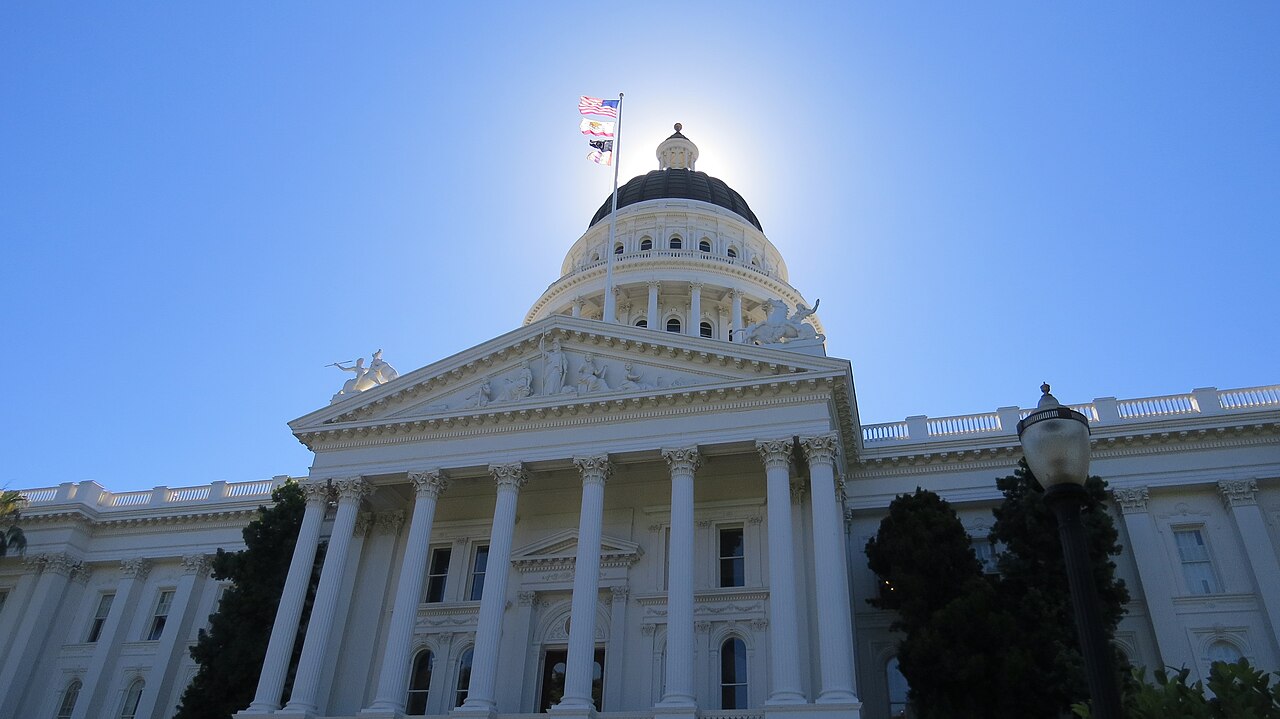
California's SB 53, signed in September 2025, protects "covered employees" responsible for assessing catastrophic risk who report a specific and substantial danger, or violations of the law (Mayer Brown). An analysis by the AI Whistleblower Initiative notes the protected channels are the Attorney General, federal authorities and people with authority inside the company, not private organizations or the public (AI Whistleblower Initiative).
| Framework | Disclosure to an outside safety group | Status |
|---|---|---|
| Right to Warn letter (2024) | Supported, if trade secrets are protected | Voluntary request, not law |
| California SB 53 (2025) | Not a listed protected channel | Law since January 1, 2026 |
| Company confidentiality policy | Only through established procedures | Basis OpenAI cited |
Whether any of this applies to the three researchers is unknown, since the content and recipient have not been disclosed.
A familiar pattern at OpenAI
The dismissals echo April 2024, when OpenAI fired Leopold Aschenbrenner and Pavel Izmailov over alleged leaks (TechCrunch). Aschenbrenner said he had shared a brainstorming document with outside researchers (Wikipedia).
OpenAI safety departures and whistleblower milestones, 2024 to 2026
Gray marks departures, blue marks policy or law, amber marks incidents. The October 2026 dismissals are highlighted.
Sources: CNN, Fortune, TechCrunch, righttowarn.ai, CNBC, Mayer Brown, Techbuzz (citing Wired), the Wall Street Journal. Not an exhaustive list of departures.
What it means for third-party evaluators like METR
Evaluators depend on access granted case by case, and the people who broker that access are lab employees. If those liaisons face unclear rules on what can be shared, labs may narrow access to protect themselves. Evaluators are also under scrutiny: the FTC plans civil investigative demands to OpenAI, Anthropic and METR, and California's Attorney General served OpenAI a subpoena on September 30 (Implicator; Metir on the probes).
 Anthropic
Looking ahead
The open questions are factual: what was shared, with whom, and whether internal channels were tried first. Answers would let observers judge whether this was routine enforcement or a test of the right to warn. For context on the week's other safety news, see our coverage of the GPT-6.1 Astra cancellation.
Sources:
- TechCrunch: OpenAI cuts ties with 3 safety researchers, WSJ reports
- Fox Business: OpenAI fires 3 safety researchers accused of sharing confidential company information
- Quartz: OpenAI fires three safety researchers for leaking confidential data
- Tech Times: OpenAI fires 3 safety researchers
- Implicator: OpenAI fires 3 safety researchers over shared data
- Free Press Journal: OpenAI fires three safety researchers
- Kuwait Times (AFP): OpenAI fires 3 researchers over sensitive information
- Ynetnews: OpenAI fires 3 researchers over suspected leak
- Techmeme: Bloomberg on infrastructure architecture
- Techmeme: Reuters on 100+ organizations notified
- The Neuron: Everything that happened in AI, October 1, 2026
- Tomek Korbak on X
- Techbuzz: OpenAI's chief futurist Joshua Achiam exits
- A Right to Warn about Advanced Artificial Intelligence
- Mayer Brown: California enacts SB 53
- AI Whistleblower Initiative: Whistleblower protections in SB 53
- CNN: OpenAI exec quits over safety concerns
- CNBC: OpenAI disbands AGI Readiness team
- Wikipedia: Leopold Aschenbrenner
Image credits
- Hero: 1515 Third Street in San Francisco's Mission Bay, photographed June 15, 2025, when the Wikimedia Commons description says it housed OpenAI's headquarters. Photo by Coolcaesar, Wikimedia Commons, licensed CC BY 4.0.
- In-body: California State Capitol, Sacramento, photographed June 22, 2021. Photo by Mackinacbridge, Wikimedia Commons, released under CC0 (public domain dedication).