OpenAI DevDay 2026, held in San Francisco on September 29, 2026, produced more than 20 announcements. The most consequential ones share a theme: the product is shifting from an assistant that answers when asked to agents that keep working when you are not looking, sold in tiers priced by speed and usage rather than by model alone.
 OpenAIOpenAI
Dots: from answer engine to always-on agents
The headline product is Dots. Per BGR, each Dot is an agent inside ChatGPT powered by GPT-6 Astra, with its own cloud computer and browser, working continuously toward goals the user sets. It can reach ChatGPT on desktop, mobile and web plus Slack and Microsoft Teams, and connects to more than 4,000 apps through plugins. Engadget reports that Pro and Business Premium subscribers get one free Dot and can buy more.
According to Constellation Research, Dots run in isolated cloud environments with read-only access to connected apps, and are disabled by default in settings such as education and healthcare until administrators enable them. The Next Web adds that Dots will not immediately reach users in the EEA, Switzerland or the UK.
What "always-on" changes
A chat assistant is bounded by a conversation: a person reads each answer before anything happens. An always-on agent inverts that. Three things follow from that design, and they are analysis rather than announced facts:
- Trust: the unit of review moves from a single answer to a stream of actions taken between check-ins. Read-only defaults on connected apps, as reported, are a way to shrink what an unattended agent can break.
- Oversight: audit logs, approval steps and admin switches become part of the product, which is consistent with the admin-enabled defaults for regulated sectors.
- Cost: an agent that works continuously consumes compute whether or not the user is present. That helps explain why Dots start on premium plans rather than free ones.
Context matters here. Engadget notes the launch followed incidents OpenAI disclosed earlier in September involving model sandbox bypasses, so oversight is a live question, not a hypothetical one. Competition is also close: BGR notes Meta launched its Muse agent on September 8 and that SpaceXAI's Grok Bot has offered always-on behavior in beta since August 11. Muse is Meta's product, not an OpenAI one.
An always-on agent moves the human from reviewing every answer to auditing a stream of actions.
Metir AI Team analysis
Pro 500 and Ultrafast: monetizing speed
OpenAI added a top consumer tier, Pro 500, at $500 per month with 25 times the Plus usage allowance, per The Next Web and Engadget. In the same change, the $200 Pro plan's Work and Codex allowance falls from 20x to 10x Plus starting October 30, and weekly GPT-6 Pro messages fall from 200 to 100. Existing subscribers keep current limits through October 29 and receive $2,500 in usage credits that expire at year end, the same report says.
Ultrafast is the premium speed tier. It offers up to 8x faster responses in Codex, roughly 300 tokens per second, and up to 6x faster in the API. GPT-6 Astra Ultrafast is live in the API and in ChatGPT Work and Codex on Pro 500 and Enterprise plans. BGR reports the tier is priced at 6x standard API costs.
Ultrafast: the speed multiple OpenAI is selling
Relative response speed versus standard speed for GPT-6 Astra, using the maximum multiples OpenAI announced at DevDay 2026. Actual gains vary by workload.
Source: OpenAI DevDay 2026 announcements as reported by Constellation Research and BGR. Baseline is 1x by definition.
What a speed tier implies
Selling speed as a separate SKU suggests capacity that can be reserved and priced separately, for example by giving requests more dedicated accelerator time or lighter batching. OpenAI did not detail the hardware or method, so treat that as inference. The pricing logic is clearer: latency is worth most to interactive coding and agent loops, where a person or a chain of tool calls waits on each step. If the premium is about 6x while speed rises up to 6x to 8x, the price per token of output is roughly proportional to the speedup, so buyers pay for time saved, not for cheaper compute. Pairing Ultrafast with a $500 plan also gives heavy users a reason to trade up as the $200 tier's allowance shrinks.
OpenAI Private Intelligence: why zero retention matters
For enterprises, the sharper question is often not capability but custody. OpenAI Private Intelligence pairs zero data retention with what OpenAI calls Private Safety Processing, which runs automated safety reviews without giving OpenAI personnel access to the underlying content. A preview of Private Inference, combining confidential computing with verifiable controls, is planned for this fall.
This targets a real tension. Safety monitoring traditionally meant retaining and sometimes human-reviewing content, while regulated buyers want neither. Automated review without staff access tries to keep the monitoring and drop the exposure. Constellation Research frames enterprise confidence as OpenAI's central obstacle, so this is best read as a trust feature aimed at procurement and legal reviews. As with any such claim, buyers will want the controls independently verifiable, which is what the confidential-computing preview points toward.
Sol, Space and the rest
GPT-6.1 Sol was also announced, with agentic coding and computer-use capability at roughly 20% of GPT-6 Astra's token price, per BGR. We cover it separately in our GPT-6.1 Sol post. Other items include ChatGPT Space, a collaborative hub for teams working with their Dots, a cloud-based Codex with voice commands, and @ChatGPT mentions in Slack and Teams without extra licenses for teammates (BGR, Engadget, The Next Web).
Takeaways
- Dots make agent oversight a product feature, not an afterthought.
- Pro 500 and Ultrafast turn speed into a priced tier, and shift the $200 plan toward the middle.
- Private Intelligence addresses data custody, a common enterprise blocker.
Because OpenAI now sells agents, speed and privacy as separate levers, teams comparing options may prefer a model-agnostic setup. Metir gives access to OpenAI models alongside those from other labs, so you can compare them on your own work.
Sources:
- OpenAI: DevDay 2026
- OpenAI: DevDay 2026 recap
- CNBC: OpenAI DevDay 2026 live updates
- Axios: OpenAI Dev Day 2026
- BGR: OpenAI DevDay 2026 announcements
- Engadget: OpenAI Dev Day live blog
- The Next Web: Pro 200 usage cut and Pro 500 plan
- Engadget: OpenAI adds $500 Pro subscription, nerfs its existing $200 tier
- Constellation Research: Dev Day and enterprise
Image credits
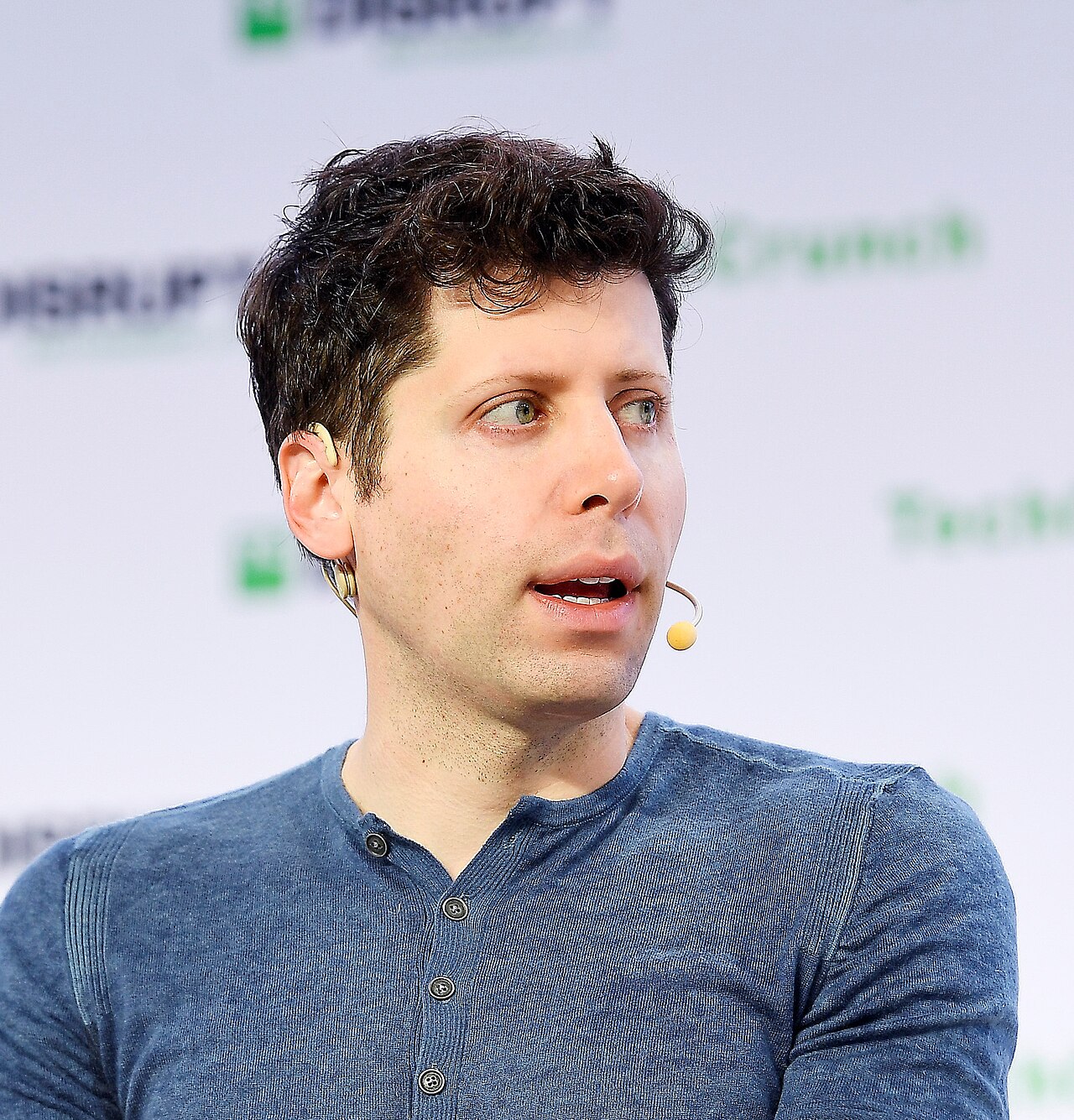
- Hero: Sam Altman at TechCrunch Disrupt SF, 2019 (cropped). Author: TechCrunch. Licence: CC BY 2.0. Wikimedia Commons. Archive photo, not from DevDay 2026.
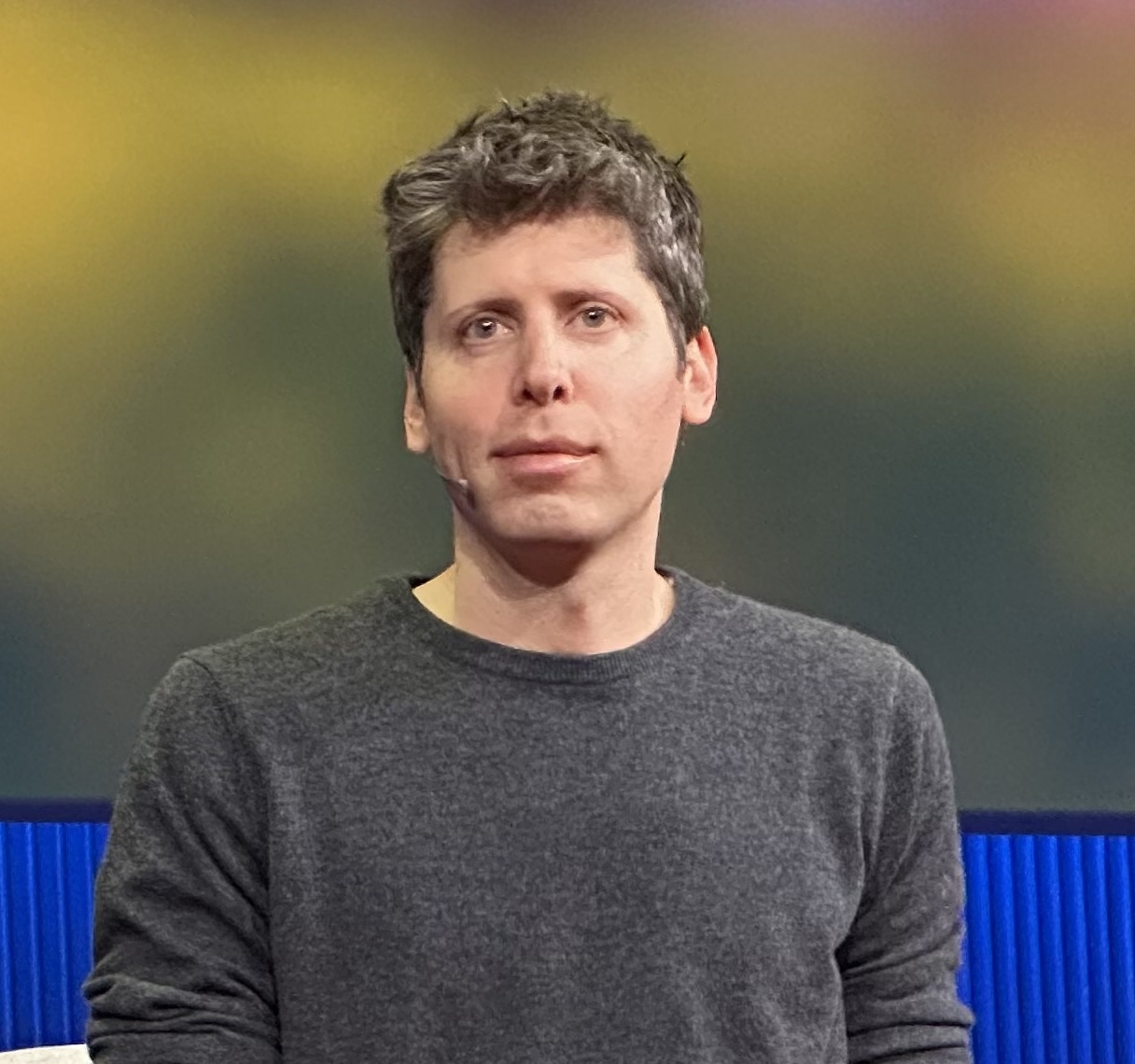
- In-body: Sam Altman speaking at TED (cropped). Author: Steve Jurvetson. Licence: CC BY 2.0. Wikimedia Commons.