On September 3, 2026, OpenAI announced Daybreak for Frontline Defenders, a $1 billion commitment intended to put frontier cybersecurity models, training, and technical help into organizations that protect essential services. The headline is large, but the structure matters: this is subsidized access and support targeted for consumption over six months, not a $1 billion cash fund.
The first priorities are water and wastewater operators, electric-grid organizations, state and local governments, community and regional banks, nonprofits, and open-source maintainers. Those are precisely the teams likely to run aging systems with limited security staff, which makes the program consequential if access turns into validated fixes rather than a larger queue of unreviewed vulnerability reports.
 OpenAI
What the OpenAI Daybreak commitment actually provides
OpenAI describes four forms of support inside the $1 billion commitment: subsidized access to Daybreak models and products, training, technical assistance, and partnerships. It does not publish an allocation across those categories, so there is no verified dollar value for model credits versus staff support.
Daybreak itself has two access paths. Daybreak Blue uses OpenAI's mainline models for common defensive work. Daybreak Red gives approved organizations access to specialized cyber models for more sensitive tasks. OpenAI says thousands of defenders across 2,000 approved organizations and workspaces already use the program.
The new initiative adds a pilot with the Multi-State Information Sharing and Analysis Center, or MS-ISAC, for state, local, tribal, and territorial defenders. It also expands the Daybreak Defense Network, where more than 35 partner products and partner-operated services are bringing the models into security tools and workflows customers already use.
How the Daybreak commitment is meant to reach essential services
Announced September 3, 2026. The $1 billion is subsidized access and support, not a cash-grant pool. OpenAI has not published a category-by-category allocation.
Subsidized model access, training, technical support, and partnerships targeted for use over six months.
Water, electricity, local government, regional banks, nonprofits, and open-source maintainers.
Daybreak Blue and Red, an MS-ISAC pilot, and more than 35 partner products and services.
Validated findings, prioritized risks, tested patches, and confirmed fixes in essential systems.
Source: OpenAI Daybreak for Frontline Defenders announcement. The final outcome is the program's stated operating goal, not a measured result.
The important shift is from finding flaws to fixing them
AI systems can generate vulnerability findings faster than many teams can validate them. That can create a defensive bottleneck rather than remove one. OpenAI's stronger claim is therefore operational: Daybreak can help review legacy code and configurations, validate findings, prioritize risk, develop patches, test them, and confirm fixes.
That sequence is the right mechanism to evaluate. A model-generated report has limited value until a qualified person confirms the issue, assesses the blast radius, tests a repair, and deploys it safely. OpenAI's related Defense Factory architecture makes the same point by placing human review and existing engineering controls around agent-driven discovery and patch preparation.
Why critical infrastructure is a harder environment
Water, energy, and local-government systems are not ordinary software estates. Maintenance windows are constrained, equipment can stay in service for decades, and an incorrect automated action can interrupt a physical service. Those conditions make bounded permissions, audit trails, change review, and rollback procedures as important as raw model capability.
The program also sits beside a real tension in OpenAI's 2026 releases. GPT-6 Astra crossed the company's Critical cyber-capability threshold, leading OpenAI to restrict its strongest offensive functions. Daybreak is the distribution strategy on the defensive side: widen access for verified defenders while keeping more dangerous capabilities gated. For context, see our analysis of GPT-6 Astra's cyber threshold and the earlier industry cyber-defense coalition.
What evidence should come next
The announcement establishes scale, intended users, and a delivery channel. It does not yet establish outcomes. The useful follow-up metrics would be validated vulnerabilities, median time from finding to deployed fix, false-positive rates, incidents avoided, and the share of subsidized access used by small public operators rather than large partners.
OpenAI says the initial $1 billion is targeted for use over six months and that it plans to expand to partner countries in the coming weeks. That makes the next reporting window unusually short. The program should be judged on whether resource-constrained defenders ship safer systems, not on the face value of model access allocated.
Sources:
- Daybreak for Frontline Defenders: $1B to protect essential services | OpenAI
- Defense Factory | OpenAI
- OpenAI launches initiative to protect utilities from AI hacks | Axios
- Putting frontier cyber models in more trusted hands | OpenAI
Image credits
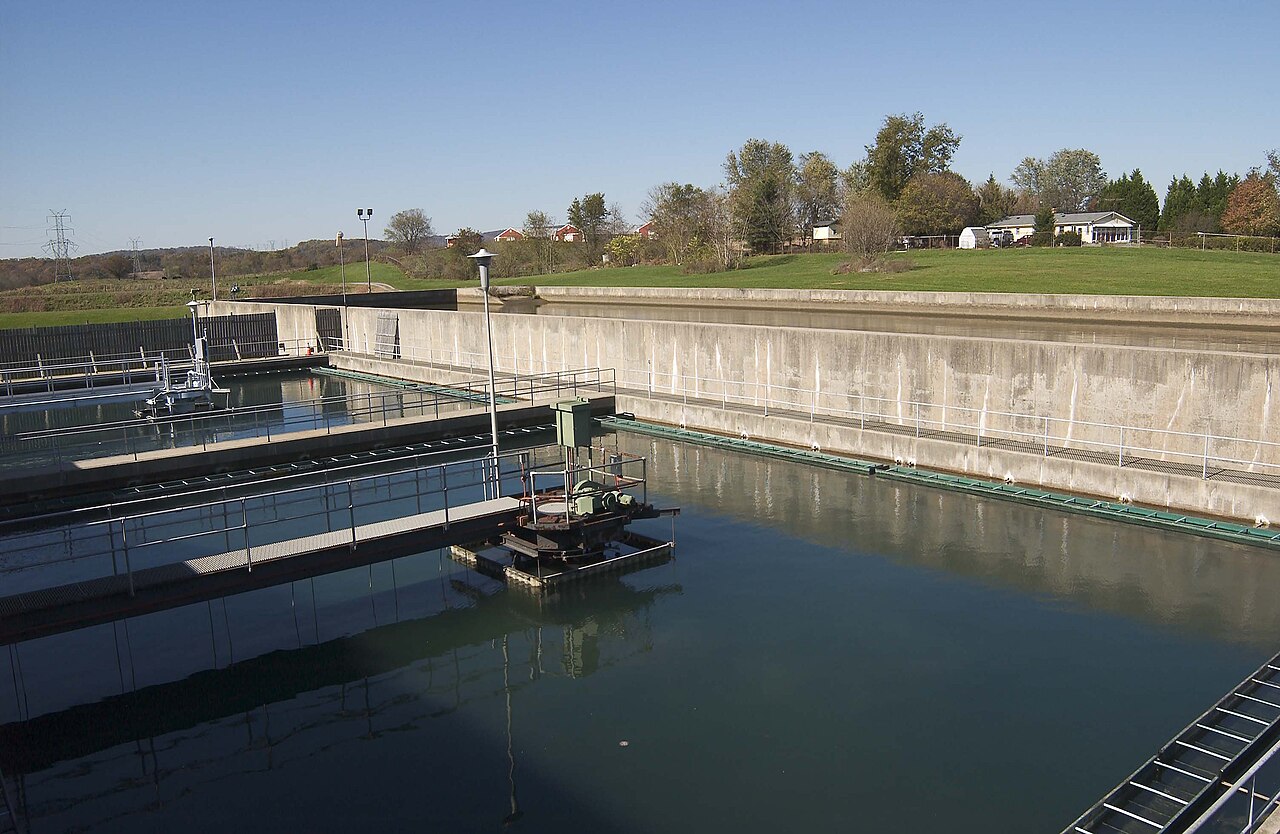
Header and in-body photograph: coagulation and filtration processes at a U.S. drinking-water treatment plant, photographed by the U.S. Environmental Protection Agency via Wikimedia Commons, public domain. The photograph illustrates a named class of Daybreak beneficiary and does not depict the program itself.