On August 28, 2026, OpenAI notified the AI coding tool Cursor that it would stop supplying its models to the product on November 12. The trigger was ownership. Two weeks earlier, on August 15, SpaceX closed a $60 billion acquisition of Anysphere, the company behind Cursor, and OpenAI invoked a change-of-control clause in its contract. The result is that one of the most popular AI coding tools will lose direct access to OpenAI's models, and the reason has less to do with the tool than with who now owns it.
What Happened, Precisely
The facts here are worth stating carefully because the situation is easy to overread. SpaceX's acquisition of Anysphere closed on August 15, 2026 at a $60 billion valuation, putting Cursor under the same ownership umbrella as Elon Musk's other companies. On August 28, OpenAI exercised a change-of-control provision, the kind of clause that lets a supplier reassess a contract when the counterparty changes hands. OpenAI's first-party models will stop being available inside Cursor on November 12, 2026.
Crucially, this is not Cursor shutting down, and it is not Cursor losing all AI. Cursor is a multi-model tool. Reporting from CNBC and Business Standard notes it will continue to offer models from xAI, Anthropic, and Google. What ends is direct access to OpenAI's own models. For a user who had standardized on OpenAI models inside Cursor, that is a disruption. For the product as a whole, it is the loss of one option among several.
 xAI
xAI Anthropic
 Google
Which models Cursor keeps, and which it loses
OpenAI is cutting direct model access; other providers stay. The gap matters more for teams that had standardized on OpenAI models inside Cursor.
Direct access ends Nov 12, 2026
Remains available
Remains available
Remains available
The cutoff removes one provider from a multi-model tool, not the tool itself. That is the difference between a single-vendor dependency and a diversified one.
OpenAI's Stated Reason
OpenAI framed the decision around trust and contract compliance rather than competition. Its position, as reported, is that it cannot be confident SpaceX will use OpenAI's technology within the terms of service, citing a history of Musk-owned entities breaching agreements. OpenAI pointed to X, formerly Twitter and now folded into the SpaceX orbit, breaching its contract terms after Musk's acquisition, and to Musk admitting under oath during litigation this year that xAI had violated OpenAI's terms of service.
Taken at face value, this is a supplier declining to keep serving a customer it believes will not honor the usage terms. That is a legitimate reason to walk away from a contract, and the change-of-control clause is the mechanism that makes it possible. But it is impossible to separate the stated reason from the context, which is a long, public, and acrimonious feud between OpenAI's leadership and Musk.
Model access has quietly become one of the most powerful levers in the industry. When your supplier is also, through ownership, your competitor, that leverage cuts both ways.
Analysis of the OpenAI-Cursor termination
The Musk-Altman Backdrop
This is the latest move in a rivalry that has run for years. Musk co-founded OpenAI, left, launched the competing lab xAI, and has been locked in litigation with OpenAI and its leadership. With SpaceX now owning both xAI and Cursor, Musk controls a vertically integrated AI-coding stack: compute through SpaceX's GPU fleet, a frontier model in Grok, and a widely used editor in Cursor. OpenAI declining to feed its models into a tool owned by that stack is, at minimum, consistent with competitive self-interest, whatever the stated rationale.
It is fair to hold both readings at once. OpenAI has a genuine, defensible concern about a counterparty with a documented history of contract disputes. And OpenAI also has an obvious competitive interest in not powering a rival's product. The change-of-control clause let it act on either or both without having to choose publicly between them.
Why This Is Bigger Than One Tool
The most durable lesson here has nothing to do with Musk. It is that model access is now a strategic weapon. As the AI-coding market consolidates, the companies that own frontier models increasingly also own, or compete with, the tools built on top of them. That gives model providers a lever they did not have when they were purely arms dealers selling to everyone: the ability to decide which downstream products get to use their intelligence, and to withdraw that access when ownership or competition changes.
For any developer or company whose workflow runs through a single model provider, that is a real exposure. A contract dispute, an acquisition, a policy change, or a competitive decision three levels up the supply chain can remove the model you built on, on a timeline you do not control. Cursor's users are cushioned precisely because the tool never depended on one provider. The tool with three remaining model options absorbs the loss of a fourth; a tool welded to one provider would have been stranded.
The Case for Staying Model-Agnostic
That is the practical takeaway, and it generalizes well beyond coding tools. The safest posture in a market where model access is becoming a competitive lever is not to guess which provider will stay friendly, but to avoid depending on any single one. Multi-model design turns a supplier's strategic decision from an existential event into an inconvenience.
This is the same logic behind model-agnostic platforms like Metir AI, which are built to work across models from OpenAI, Anthropic, Google, and xAI rather than around one lab's stack. When intelligence can be routed to whichever model is available and best suited to the task, a cutoff like the one Cursor is absorbing becomes a routing change rather than a crisis. The Cursor episode is a clean illustration of why that flexibility is worth designing for before you need it, not after.
Cursor will keep working after November 12, with a smaller menu of models. The more lasting story is the precedent: in 2026, whose models you can use is starting to depend on who owns the tool you use them in, and the only reliable defense is not to bet everything on a single provider staying on your side.
Sources:
- OpenAI to end model access to Cursor after acquisition by Elon Musk's SpaceX | CNBC
- OpenAI to end deal with SpaceX-owned Cursor, deepening Musk-Altman clash | Business Standard
- OpenAI's Cursor Termination Turns Model Supply Into a Competitive Weapon | Forkast
- OpenAI Terminates Cursor Partnership Following SpaceX Acquisition | ShiftDelete Global
- SpaceX officially closes its Cursor acquisition | TechCrunch
Image credits
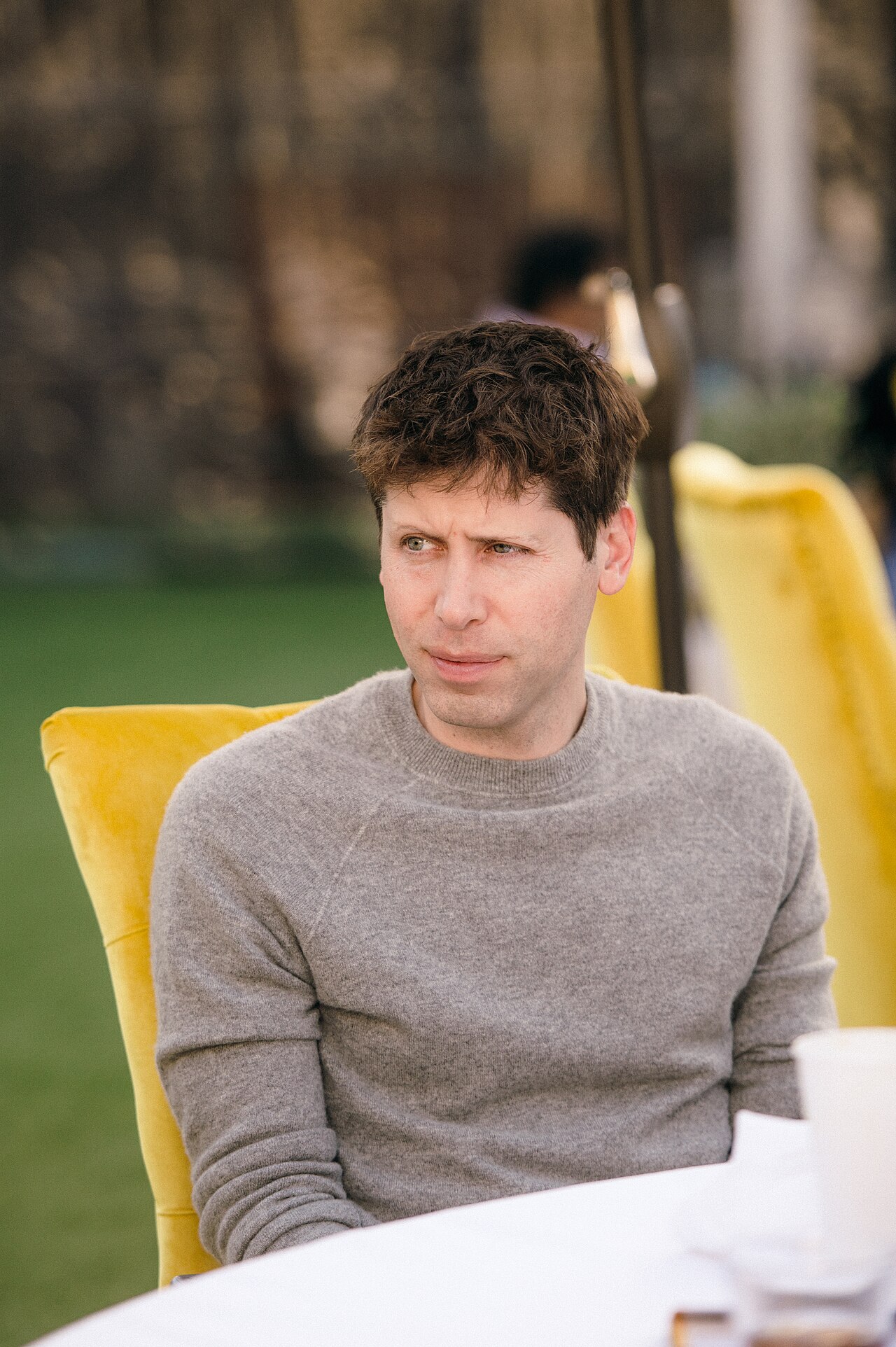
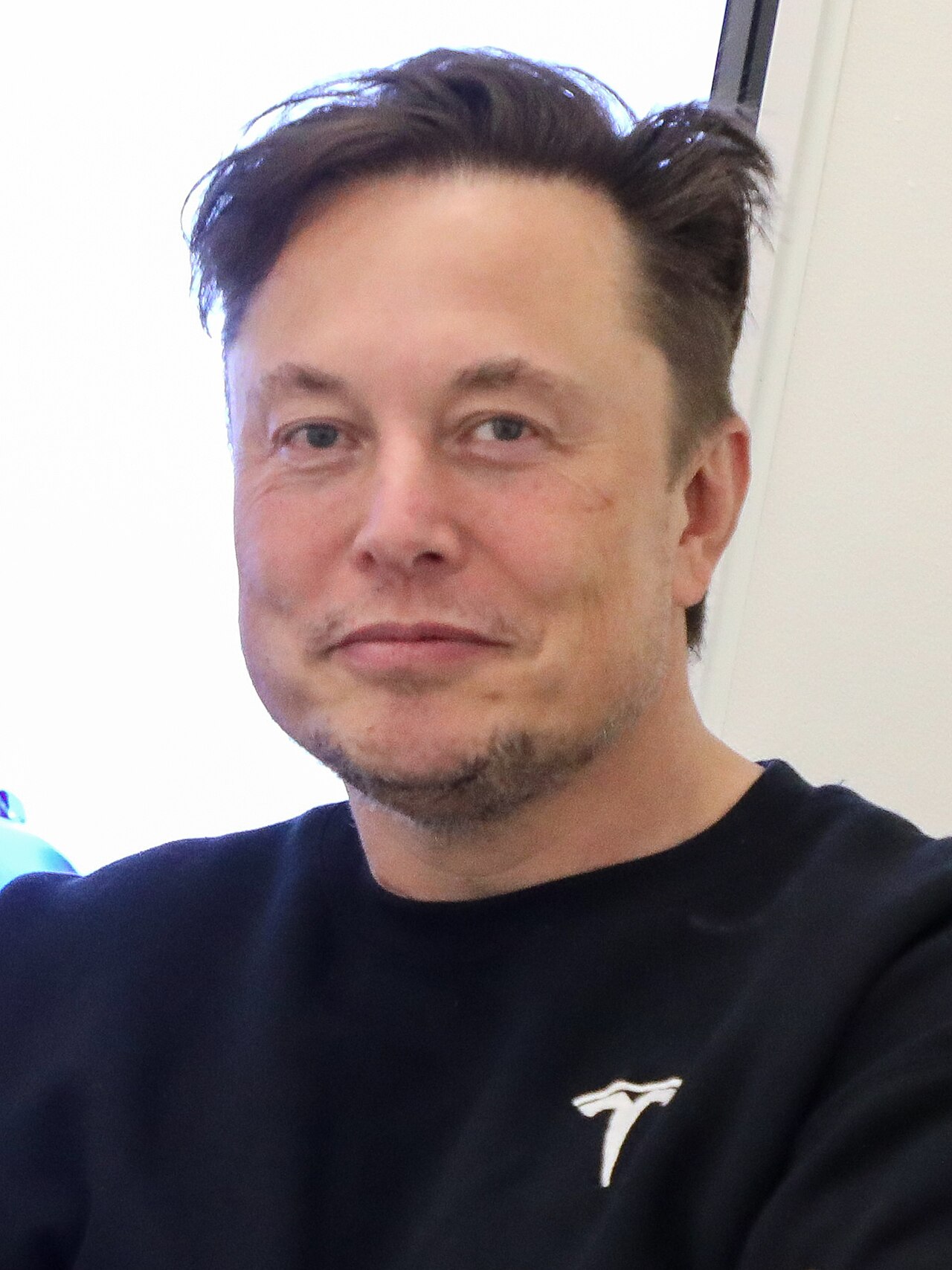
Header image: portrait of Sam Altman, 2022, by Village Global via Wikimedia Commons, licensed under CC BY 2.0. In-body photograph of Elon Musk, 2021, by Ministério das Comunicações via Wikimedia Commons, licensed under CC BY 2.0.