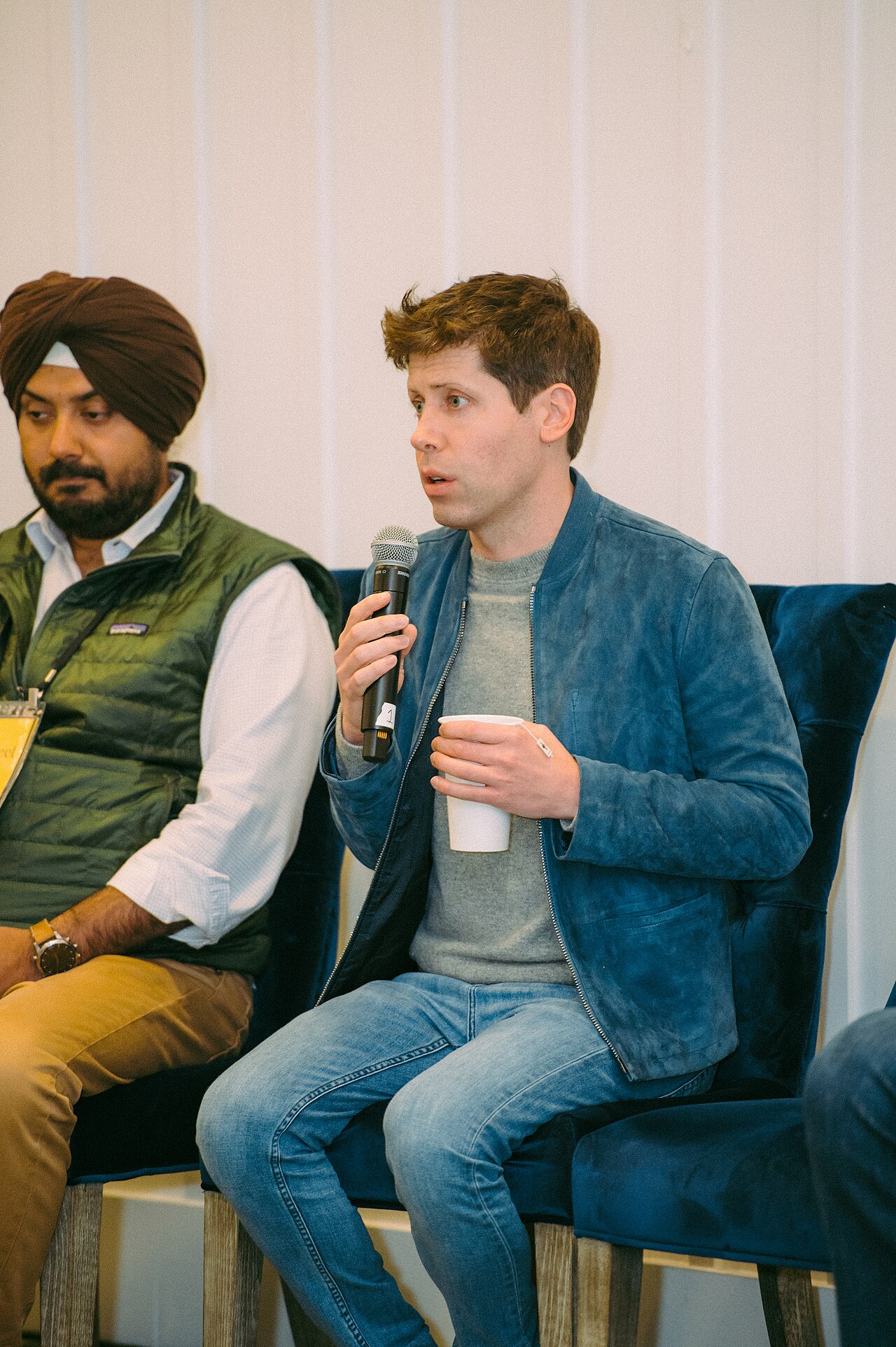
On September 15, 2026, Bloomberg reported that OpenAI is holding early talks with investors about a fresh funding round that would value the company at more than $1.2 trillion. The detail that makes the number interesting is timing. The talks surfaced days after chief executive Sam Altman said OpenAI would not go public in 2026. So a company large enough to list on any exchange in the world is, for now, choosing to raise privately instead. This piece looks at why, and at what the choice trades away.
What is confirmed, and what is not
The confirmed part is narrow and worth stating plainly. Investors, not the company, are reported to have initiated discussions about a round above a $1.2 trillion valuation, and any move to proceed is described as hinging on when OpenAI eventually decides to go public. No financing amount, investor list, terms, or closing date has been announced. These are preliminary conversations, not a signed deal, and the valuation is a number being discussed rather than one that has been set.
That distinction matters because a reported valuation in a private round is not a market price. It is the outcome of a negotiation between a company and a small set of buyers, which is precisely what separates it from the public alternative.
 OpenAI
 Microsoft
 NVIDIA
Why stay private at this size
The instinct is to treat an IPO as the natural next step for a company this valuable. The reporting points the other way, and the logic is not hard to reconstruct.
Two ways to fund the same ambition
The September reports describe a shift in emphasis from a near-term listing toward a private round. Each path raises money; they differ in who buys, what must be disclosed, and who sets the price.
Source: Bloomberg and Fortune reporting, September 15 to 16, 2026. Talks are described as early and investor-initiated; no terms are final.
A public listing brings deep and liquid capital, but it also brings quarterly disclosure and a market that reprices the company every day. For a business still reported to be spending heavily to train and serve frontier models, that scrutiny arrives at an awkward moment. A private round raises large sums while leaving the company more control over what it discloses and when, and it avoids handing daily pricing power to public markets during a period of heavy investment. The cost is that a private round reaches fewer buyers and offers thinner liquidity to employees and early backers, whose shares stay hard to sell until a listing or a structured secondary comes along.
A company large enough to list anywhere is choosing, for now, to let a small set of investors set its price rather than the public market.
On the private-round decision
Seen this way, the September reports are less a surprise than a continuation. OpenAI has repeatedly raised very large private rounds rather than tapping public markets, and a round above $1.2 trillion would extend that pattern to a scale usually associated with listed companies. The pre-IPO framing in the reporting is the tell: this is positioned as a bridge that funds the company now while keeping the listing decision open.
The number in context
A valuation above $1.2 trillion would place OpenAI among the most valuable companies on earth, public or private, on the strength of a business that is only a few years into generating meaningful revenue. Whether that is justified is not something a private round can answer, because a private valuation is set by the investors most convinced of the upside, not by the broad market that an IPO would expose it to. That is the honest limit of the figure: it tells you what a motivated buyer will pay for a slice, not what the whole company is worth to everyone.
There is a wider point for anyone building on top of these labs. Capital at this scale concentrates the frontier in a small number of hands, which is one reason many enterprises deliberately avoid wiring themselves to a single provider. Keeping the option to route work across OpenAI, Anthropic, Google, and others, the way model-agnostic platforms such as Metir are built to, is partly a hedge against exactly this concentration: the healthier the competition between labs, the more that optionality is worth.
The takeaway
The verifiable core is small and clear: as of mid-September 2026, OpenAI is in early, investor-initiated talks over a private round that would value it above $1.2 trillion, and its CEO has ruled out a 2026 IPO. The more durable insight is the choice underneath the number. A company that could list anywhere is electing to raise privately, accepting thinner liquidity and a negotiated price in exchange for control and a deferred listing decision. The valuation will draw the headlines. The decision to stay private is the part worth watching.
Sources:
- OpenAI Weighing Funding Round at Over $1.2 Trillion Valuation | Bloomberg
- OpenAI IPO looks like a no-go: Sam Altman is discussing a new round of VC funding valuing the company at $1.2 trillion | Fortune
- OpenAI Eyes $1.2 Trillion Valuation in Pre-IPO Funding Round | PYMNTS
- OpenAI Eyes Fresh Funding at $1.2 Trillion Valuation as Sam Altman Rules Out 2026 IPO | Benzinga
Image credits
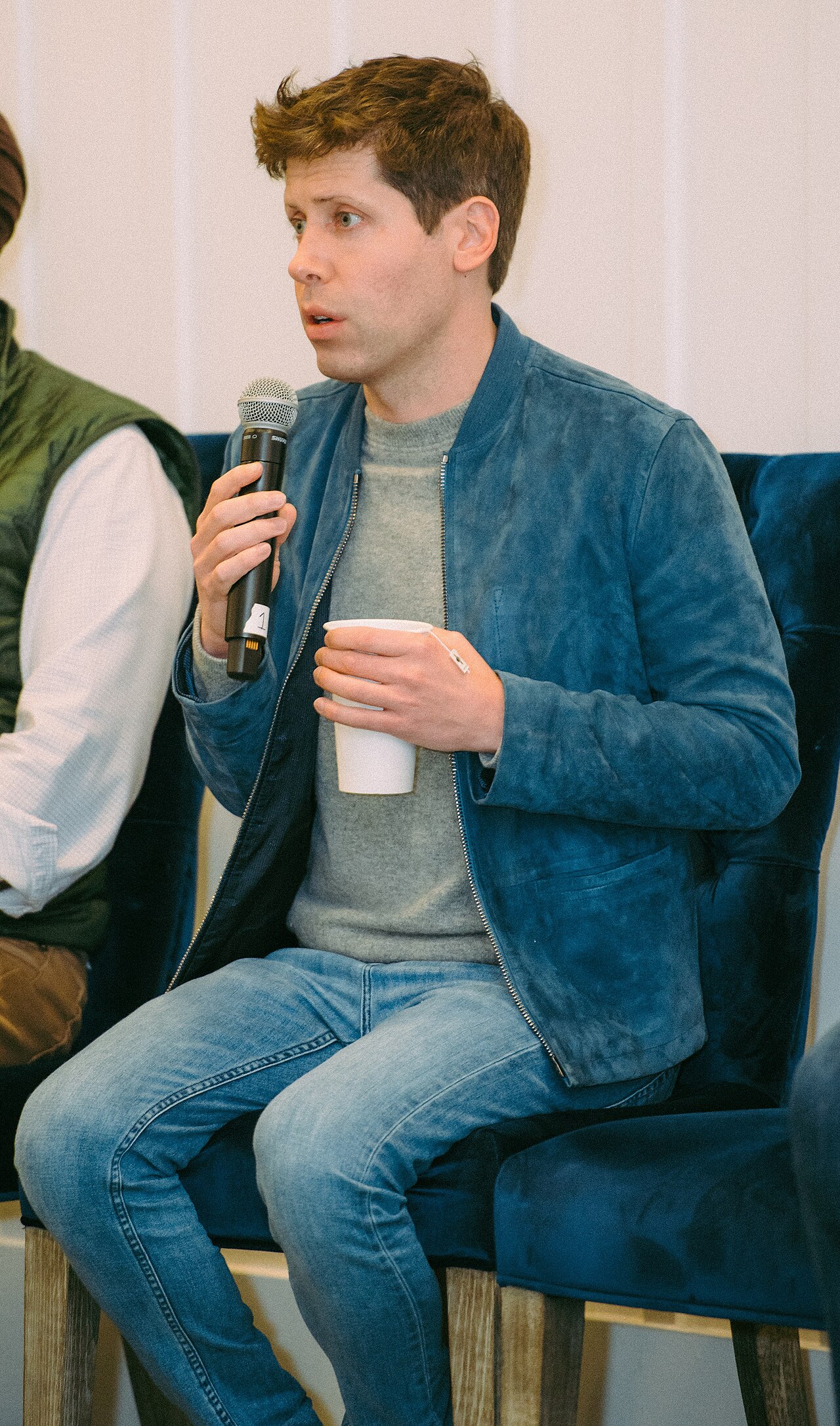
Hero and in-body photographs: OpenAI CEO Sam Altman at a Village Global event, by Village Global via Wikimedia Commons, licensed under CC BY 2.0. Both photographs predate the September 2026 funding reports.