The headset category has spent two years defined by a single question: can the hardware get small and cheap enough that people will actually wear it? At Meta Connect 2026, Meta gave its answer a name and a price. The Meta VR Glasses, announced for Spring 2027 at $1,300, is a roughly 100-gram device with 5K full-color passthrough that moves the heavy compute off your head and onto a tethered puck. The naming is the strategy in miniature: Meta is no longer calling its flagship a headset. It is calling it glasses.
 Meta
Meta Apple
Apple NVIDIA
The design choice that defines it
The single most important decision in the Meta VR Glasses is what is not in the frame. By moving the processor onto a tethered puck carrying a Snapdragon Reality Elite chipset, Meta removes the heaviest and hottest components from the part that sits on your face. That is how you get to roughly 100 grams, pancake lenses and magnesium alloy frames while still offering 5K passthrough, up to three hours of playback and 45-watt fast charging on the puck, plus hand-gesture control and holographic avatars for video calls.
This is a genuine engineering trade, not a free win. A tether is a wire, and a wire is a constraint on where and how you move. Apple made the opposite choice with the Vision Pro: keep all the compute on the head for a fully self-contained device, and accept the weight and heat that come with it. Meta is betting that comfort, being able to forget you are wearing the thing, matters more to adoption than the freedom of a cord-free device. Two years of feedback about heavy headsets suggests that bet has evidence behind it.
Meta VR Glasses vs Apple Vision Pro
The headline contrast is weight and price: Meta is aiming a far lighter, far cheaper device at the space Apple defined at the premium end.
| Meta VR Glasses | Apple Vision Pro (M5) | |
|---|---|---|
| Announced price (starting) | $1,300 | About $3,500 to $3,700 |
| Availability | Spring 2027 | On sale (M5, Oct 2025) |
| Headset weight | About 100 g (frame) | About 750 to 800 g |
| Compute location | Tethered puck (Snapdragon Reality Elite) | On-head (Apple M5 + R1) |
| Passthrough / display | 5K, full-color passthrough | Dual OLED, ~3660x3200 per eye |
| Battery (rated) | Up to 3 hrs playback | Up to 2.5 to 3 hrs |
Meta figures are as announced and not yet independently tested. Apple weight includes light seal and band; the battery is a separate 353 g pack.
Price is the other headline
The Vision Pro established the premium end of the market at a price, roughly $3,500 to $3,700 depending on configuration, that was always going to limit it to enthusiasts and developers. Meta's $1,300 is not cheap, but it is a different market. It sits below half of Apple's price while claiming a fraction of the weight, which reframes the device from a statement purchase to something closer to a high-end consumer electronics buy.
Meta is betting that being able to forget you are wearing the thing matters more than the freedom of a cord-free device.
On the tethered-puck design of the Meta VR Glasses
It is worth being precise about what is and is not known. Meta's figures are announced specifications for a device that ships in Spring 2027, not independently tested results, and the gap between a keynote spec sheet and a reviewed product can be large, particularly on passthrough quality, latency and real-world comfort. Apple's Vision Pro, by contrast, is a shipping product now on its M5 revision, with known strengths in display fidelity and a mature software platform. Comparing an announced device to a shipping one always flatters the announcement.
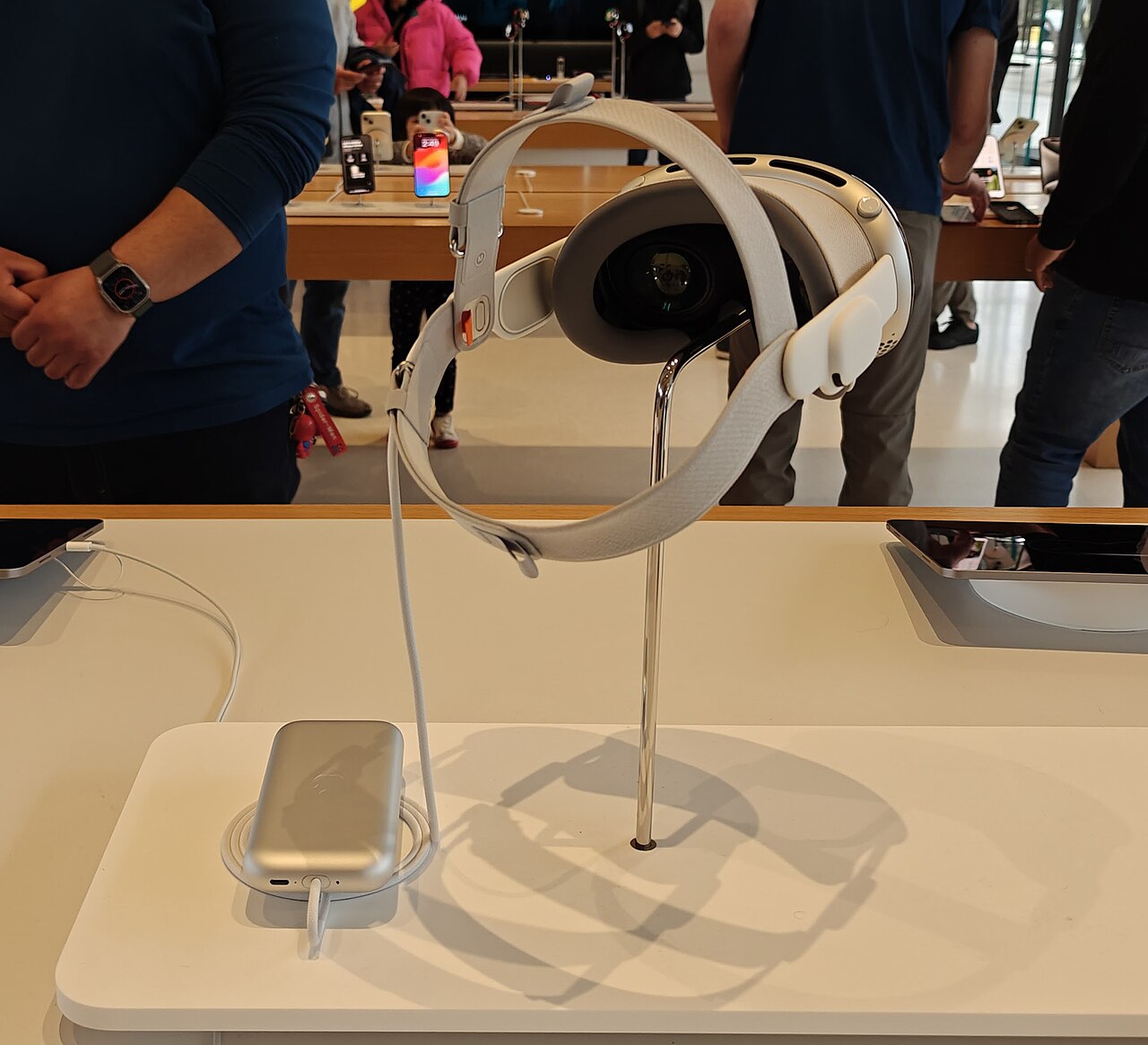
Two philosophies, not one race
It is tempting to score this as Meta versus Apple, but the more useful reading is that the two companies are testing different theories of what a headset should be. Apple's theory is that the device should be uncompromising and self-contained, a premium spatial computer, and that the market will grow into it as the technology and price improve. Meta's theory is that weight and price are the binding constraints today, and that shipping a lighter, cheaper, tethered device now, even with compromises, is how you build a mass audience before the fully standalone version becomes feasible.
Both can be partly right. The tethered-puck approach could win the next two years on comfort and price while Apple's standalone approach ages better as chips get more efficient. What neither company has yet demonstrated is a use case compelling enough to make tens of millions of people want a headset of any weight, which remains the category's real unsolved problem. Cheaper and lighter hardware widens the funnel, but it does not by itself answer the question of what the device is for beyond gaming and immersive video, the two areas where Meta concentrated its Connect entertainment announcements.
The takeaway
The Meta VR Glasses are the clearest sign yet that the headset is trying to become eyewear, and that weight and price, not raw capability, are the levers the industry now believes matter most. Meta's tethered, lighter, cheaper device and Apple's heavier, pricier, standalone one are two honest answers to the same question, and it will take shipping hardware and real reviews to know which travels further. Underneath the hardware contest, the more durable point for anyone building spatial experiences is that the assistant and the software should not be captive to whichever headset wins, because that outcome is genuinely uncertain. Designing so the intelligence and the experience can move across devices rather than betting on one maker's form factor is the portability principle Metir AI applies at the software layer.
Sources:
- Everything announced at Meta Connect 2026 | Engadget
- Meta Connect 2026 LIVE: new VR glasses, Muse Charm, Ray-Ban Meta gen 3 | Tom's Guide
- Apple Vision Pro upgraded with the M5 chip and Dual Knit Band | Apple Newsroom
- Apple Vision Pro (M5) - Tech Specs | Apple Support
- Apple Vision Pro | Wikipedia
Image credits
- Hero and in-body figure: "Apple Vision Pro with charger (cropped)" by Wikimedia Commons contributor, licensed under CC BY-SA 4.0. Source: Wikimedia Commons. Reviewed before publication; shows an Apple Vision Pro on display with its battery pack, used to illustrate the comparison. No image of Meta's unreleased VR Glasses was available.