On October 12, 2026, Meta Superintelligence Labs released Muse Wonder and Muse Wonder Full, which TechCrunch describes as the company's first attempt at a frontier model. They follow the lighter, latency-focused Muse Spark line we covered in Muse Spark 1.3. Meta calls the release "a major leap toward personal superintelligence," per TechCrunch's reading of its blog post.
 Meta
Meta OpenAI
 Anthropic
 Google
What Meta released
Meta's announcement says Muse Wonder is available now through the Meta Model API and Muse Code, while Muse Wonder Full is available to Muse Code subscribers. Wonder is also due to power experiences in the Muse app, "soon," starting with subscribers. TechCrunch adds that Wonder Full is not served through the API, and that the subscription price for Muse Code was not stated.
Meta says the models were trained at its gigawatt-scale Prometheus data center and highlights two agentic features, Active Memory and Active Focus. Its safety claims include its strongest safeguards so far against chemical, biological, radiological, nuclear and cyber misuse; a full safety report is described as available soon. The post gives no numeric benchmark scores in text, naming Harvey's Legal Agent Benchmark, FocusBench and SWE-Marathon as evaluations. TechCrunch, citing Meta's model card, reports scores comparable to Fable 5.1 and GPT-6 Astra, and a MemoryBench result above Fable, Opus and Astra. Those are vendor-reported claims.
Independent numbers from Artificial Analysis
Artificial Analysis ran both models at maximum reasoning on its Intelligence Index (v4.3). Wonder Full scored 56, up 8 points from Muse Spark 1.3 at 48, and Wonder scored 52, up 4. Its model page ranks Wonder Full fourth of 690 models, and Wonder's page ranks it ninth of 216 in its comparison set.
| Measure (Artificial Analysis) | Wonder Full | Wonder |
|---|---|---|
| Intelligence Index | 56 | 52 |
| Terminal-Bench 4.0 | 57% | 52% |
| Coding Agents Index | 68 | 63 |
| Hallucination rate | 23% | 27% |
| AA-Omniscience | 30 | 25 |
Some details are worth separating. On GDPval-AA v2.1, a knowledge-work Elo, Wonder Full scored 1857, second behind Claude Opus 5.5 at 1866. On AA-Omniscience, which penalizes wrong answers, Opus 5.5 (46), GPT-6 Astra (43) and Gemini 4 Argon (42) all sit well above Wonder Full's 30, and Argon's hallucination rate of 15% is lower than Wonder Full's 23%. In other words, the index gain is broad but not uniform.
Pricing, and what a task actually costs
Muse Wonder costs $4 per million input tokens and $20 per million output tokens, with cached input at $0.20. Muse Spark 1.3 was $1.25 input and $4.25 output, so by simple division list input is about 3.2 times higher and output about 4.7 times higher. Artificial Analysis notes the price matches Claude Opus 5.5's, while Sonnet 5.5, Gemini 4 Argon and GPT-6.1 Sol list at $2 and $10, and GPT-6 Astra and Claude Fable 5.1 at $10 and $50.
List price is not the whole bill. Artificial Analysis measured $4.52 to run its Intelligence Index per task on Wonder, about 2.8 times Spark 1.3's $1.60. Input is 76% of that ($3.43), because Wonder used about 7.69M input tokens per task against a smaller 54K of output. Several rivals used two to seven times fewer input tokens.
Cost per Intelligence Index task, in US dollars
Source: Artificial Analysis, October 12, 2026. Per-token price is only part of the bill: token usage and caching change the total.
By the same figures, Wonder costs about 2.3 times Gemini 4 Argon's $1.99 and about 6.3 times GPT-6.1 Sol's $0.72, yet undercuts Opus 5.5 ($5.98) and Fable 5.1 ($7.63). Speed is mixed: Wonder outputs 115 tokens per second against a median near 85, but its time to first token is 36.32 seconds against a 5.87-second median, which matters for interactive use.
Wonder's input side, not its output side, drives about three quarters of its measured cost per task.
Arithmetic on Artificial Analysis figures: $3.43 of $4.52
Why the Wonder Full gating matters
Because Wonder Full is not priced per token, Artificial Analysis could not publish a cost figure for it. The 56 is therefore a score that API customers cannot buy directly. On its Coding Agents Index, Wonder Full scores 68, level with Claude Code running Sonnet 5.5 and ahead of Claude Code with Opus 5.5 at 66; Wonder scores 63, and Muse Code with Muse Spark 1.3 scored 54. That ties the top model to Meta's own coding product, a pattern we described in Muse Code.
How to read the launch
- Independent versus vendor figures. The index, cost and speed numbers come from Artificial Analysis; the memory and agent claims come from Meta.
- Cost depends on caching. Cache writes ($1.92) and cache hits ($1.44) made up most of Wonder's per-task input cost, so workloads with different prompt reuse will differ.
- Two tiers. The API model scores 52 while the 56 model sits behind a subscription.
For teams comparing options, the lesson is to measure cost per completed task on your own workloads. Model-agnostic tools such as Metir make that easier, since a new model can be trialed without rewriting prompts.
Sources:
- Meta releases its first frontier model, Muse Wonder - TechCrunch
- Muse Wonder - Meta
- Muse Wonder and Muse Wonder Full - Artificial Analysis
- Muse Wonder Full model page - Artificial Analysis
- Muse Wonder model page - Artificial Analysis
Image credits
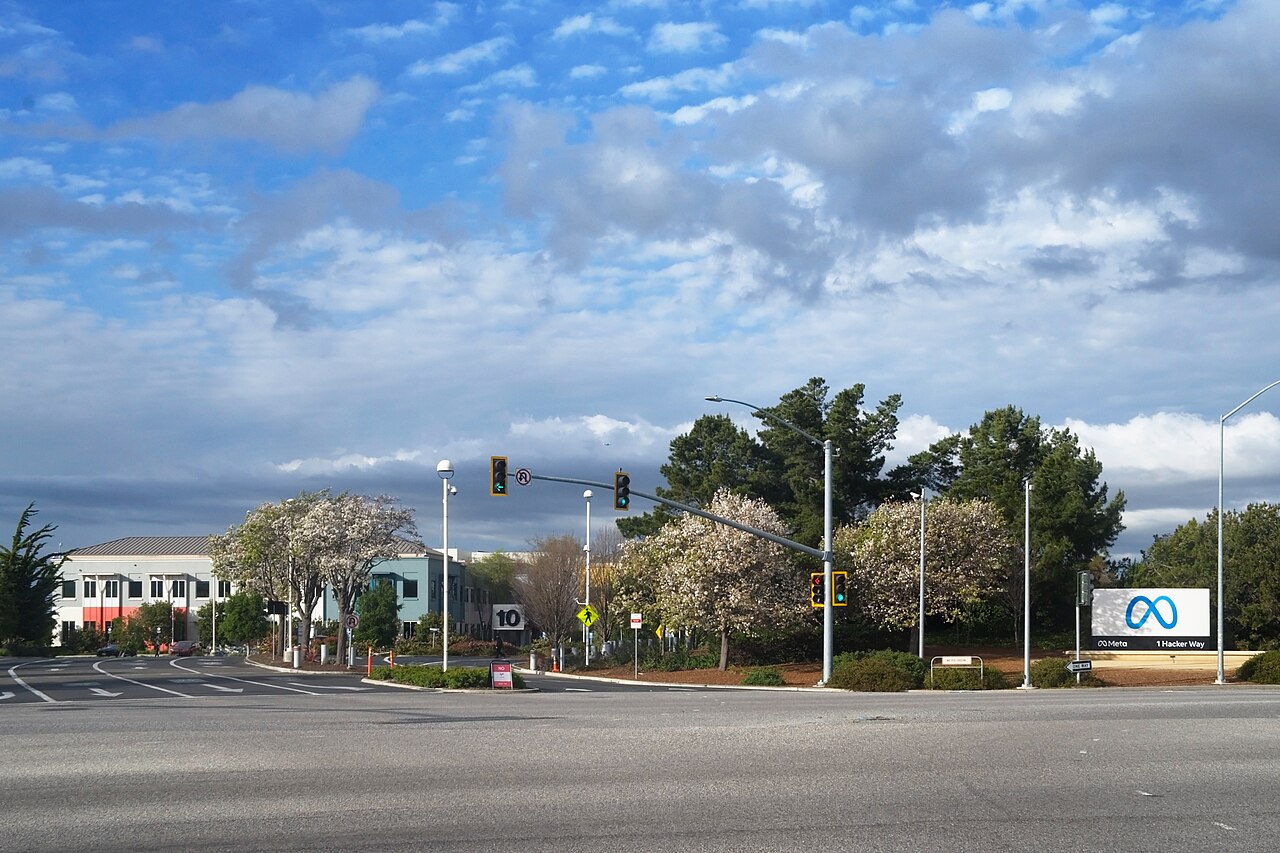
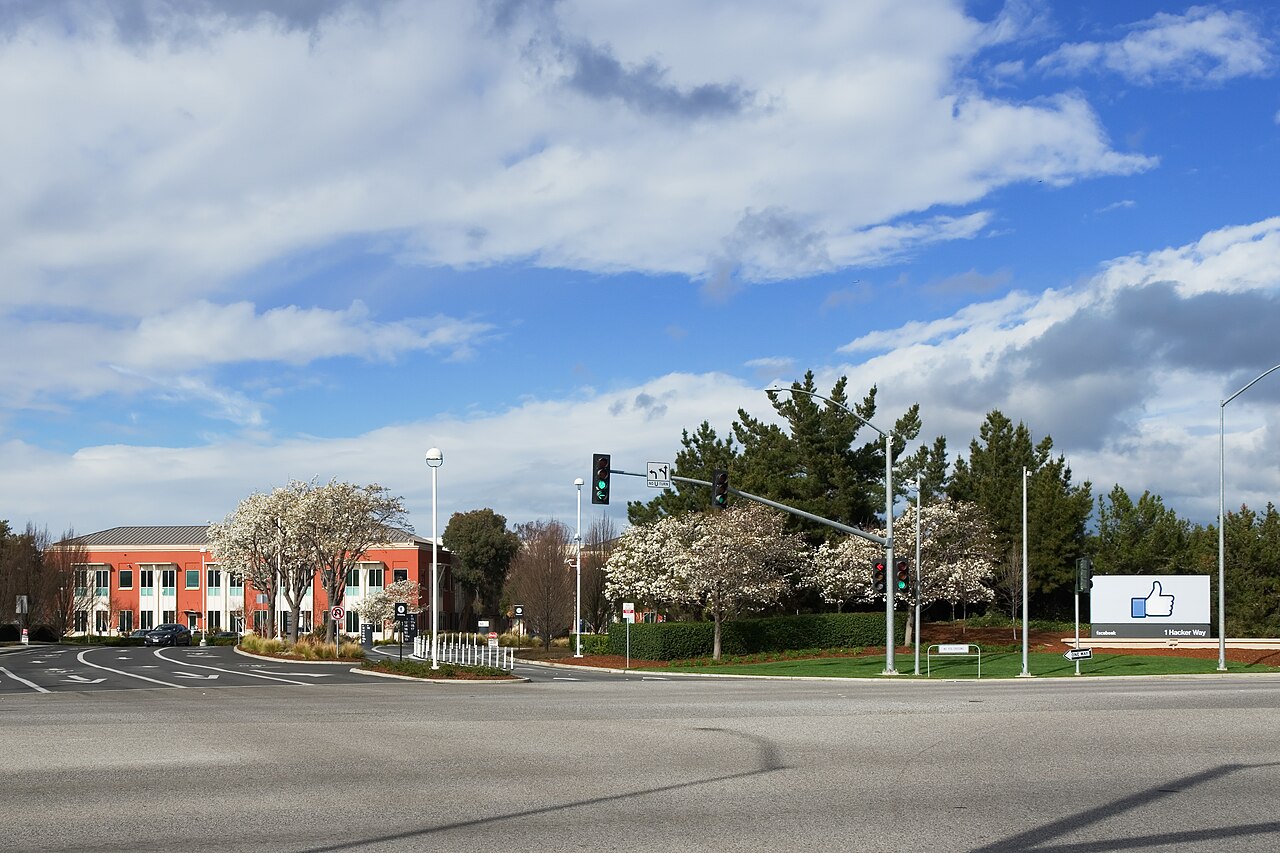
Header image: Meta sign and campus at 1 Hacker Way, Menlo Park, by LPS.1, Wikimedia Commons, CC0 (source); a file photo, not an image of the Muse Wonder launch. In-body image: the same entrance with the earlier Facebook sign, by LPS.1, Wikimedia Commons, CC0 (source).