Meta held Connect 2026 at its Menlo Park campus on September 23, with Mark Zuckerberg's keynote followed by a developer state of the union the next morning. The event produced a dense list of hardware, software and AI announcements, but they resolve into a single thesis Meta has been building toward for years: that glasses, not phones and not standalone headsets, are the device through which an always-available AI assistant reaches people. This wrap-up covers what was announced, grouped by what it is, and then reads what the whole slate is trying to do.
 Meta
Meta Apple
Apple NVIDIA
The glasses, from cheapest to most capable
The core of Connect was a widened glasses lineup that now spans four price points before you reach a headset.
At the entry level, the Meta Adventurer activity frames start at $249, with pre-orders open and shipping October 23. Above that, the Ray-Ban Meta Audio is Meta's first camera-free pair, starting at $349 and shipping October 13, weighing 43 grams and offering the AI voice assistant, music and podcast playback, up to 12 hours of battery plus 48 hours from the case, and prescription support across Clubmaster and Burbank shapes. The camera-free design is a deliberate answer to the privacy discomfort that camera glasses create.
The Ray-Ban Meta Gen 3 is the mainstream camera pair, starting at $449 and available immediately, with a 12-megapixel camera capturing 3K video, battery life improved to 9 hours, and a six-microphone array Meta says removes over 90 percent of background noise. It comes in Aviator, Zena and Wayfarer styles across 27 combinations, with a Transitions Aviator at $579 and Kylie Jenner and Blackpink Lisa special editions at $399.
At the top of the glasses range sits the Meta Ray-Ban Display at $799 in the US, the pair with an actual in-lens display driven by the Neural Band wristband. Connect brought it new features, including cycling and transit directions arriving later this month, landmark-based navigation, holographic avatars for WhatsApp calls, on-display photo editing and Dolby Atmos video capture, and expanded it to the UK, Canada, Germany, France and Italy.
One ladder, five price points
Starting US prices for the wearables Meta announced at Connect 2026. The line runs from a screenless activity frame to a VR headset in glasses form.
Activity frames, ships Oct 23
Camera-free, ships Oct 13
Camera glasses, available now
In-lens display + Neural Band
5K passthrough, Spring 2027
Prices are starting configurations; special editions and higher-storage options cost more.
The headset that wants to be glasses
The single most ambitious piece of hardware was the Meta VR Glasses, priced at $1,300 and due Spring 2027. At roughly 100 grams with pancake lenses and magnesium alloy frames, it is Meta's attempt to shrink a full mixed-reality headset toward eyeglass proportions, offering 5K per-eye resolution with full-color passthrough. Rather than pack the compute into the frame, it uses a tethered puck carrying a Snapdragon Reality Elite chipset, with up to three hours of playback and 45-watt fast charging. Hand-gesture control and holographic avatars for video calls round it out. The name itself is the message: Meta is no longer calling its flagship a headset.
The AI layer: Muse, and a pendant to carry it
Running through everything is Muse, Meta's assistant and agent brand. Connect pushed Muse from answering questions toward taking actions: Meta said the Muse agent will work with retailers including Walmart and Instacart to make purchases on a user's behalf, and highlighted real-time translation across new languages, voice-guided navigation and contextual help. Meta also introduced a separate virtual space to isolate Muse interactions from the rest of its apps.
The surprise was the Muse Charm, a keychain-sized device housing the Muse agent with a small display, speakers, microphones and a fingerprint sensor. Meta shared limited detail and said more is coming later in 2026, but the intent is clear: an AI access point that is not glasses and not a phone, for people who want the assistant without a screen on their face.
Everything else: accessibility, games and immersive video
Beyond the marquee devices, Meta announced a hearing enhancement feature for its glasses at a one-time $149 fee or bundled with a Meta One subscription, eligible for FSA and HSA reimbursement, positioning camera-free audio glasses as a lightweight hearing aid.
The entertainment slate was long. A major Beat Saber update with hand tracking and a new single-player mode is due Spring 2027, and Supernatural returns to the store this fall with saved progress intact. New titles include Payday: Aces High, a mixed-reality Tetris Effect, Two Point Hospital and a Phoenix Wright VR game. On video, Disney+ 3D content including The Avengers and Black Panther begins streaming in November, Disney Immersive Cinema by ILM arrives Spring 2027, and immersive sports via ESPN promises 8K, 180-degree streaming alongside more than 100 live events a year through partnerships with MLB, NBC Sports, TNT Sports and UFC.
What it adds up to
Three threads tie the slate together. The first is the ladder: Meta now sells a wearable at almost every price from $249 to $1,300, which is how a platform is built rather than a single product. The second is that the AI, not the optics, is the point. Whether the device has a camera, a display, both or neither, the constant is Muse, and the Muse Charm makes explicit that Meta wants the assistant everywhere, not tied to one form factor. The third is agency: pushing Muse to buy from Walmart and Instacart moves Meta from an assistant that tells you things to an agent that does things, which is the same shift happening across the industry and the one with the largest unresolved questions around trust and control.
Meta now sells a wearable at almost every price from $249 to $1,300. That is how a platform is built, not a single product.
On the shape of the Meta Connect 2026 lineup
The strategic backdrop is Zuckerberg's framing of "personal superintelligence," the goal Meta Superintelligence Labs was formed to pursue, and its pivot from open Llama models toward the closed Muse Spark family. Connect was where that abstract ambition got its concrete delivery vehicles. Whether people want an AI agent on their face, in their pocket or on a keychain is the bet Meta just placed a great deal of hardware behind. For users and developers weighing that future, the practical question is less which device wins and more whether the intelligence inside it stays open enough to choose, a portability principle Metir AI applies by keeping the assistant layer independent of any single vendor's model or hardware.
Sources:
- Everything announced at Meta Connect 2026 | Engadget
- Meta Connect 2026 LIVE: new VR glasses, Muse Charm, Ray-Ban Meta gen 3, audio-only smart glasses | Tom's Guide
- Meta Connect 2026 live: Updates from Mark Zuckerberg's keynote on AI glasses, VR and more | Engadget
- New Meta Ray-Ban AI-Powered Display Glasses and Neural Band | Meta Store
Image credits
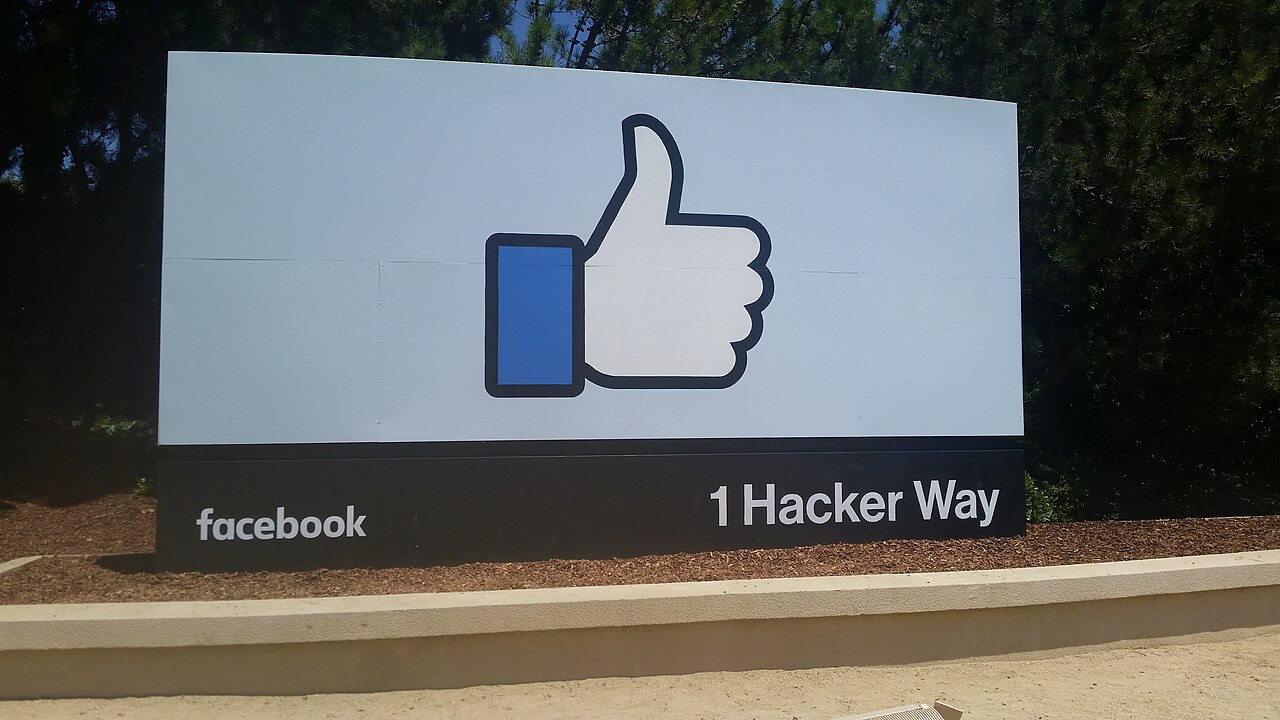
- Hero and in-body figure: "Facebook Headquarters" by Minette Lontsie, licensed under CC BY-SA 4.0. Source: Wikimedia Commons. Reviewed before publication; shows the Like sign at 1 Hacker Way, Meta's Menlo Park headquarters, photographed in 2017 under the earlier Facebook branding, as the caption states. Licence permits editorial and commercial reuse with attribution and share-alike.