Java4Shell (CVE-2026-114938) is a memory corruption flaw in the Base64 decoder of OpenJDK's HotSpot JVM. According to BleepingComputer, researcher Quang Luong of Calif found it in approximately one hour using OpenAI's Codex coding assistant, then built an initial working exploit in another two hours, at a total AI usage cost of less than $200. Oracle shipped fixes on November 17, 2026.
 OpenAI
What Java4Shell is
Qualys describes the bug as a short malformed input that causes a write of 62 bytes past the end of a buffer before Java rejects it. Cycode's summary says the trigger is attacker-controlled input reaching the basic or URL decoder of java.util.Base64. The two vendors score it differently: Qualys reports 9.2 under CVSS v4.0 (from the researchers) and 8.1 under CVSS v3.1 (Oracle).
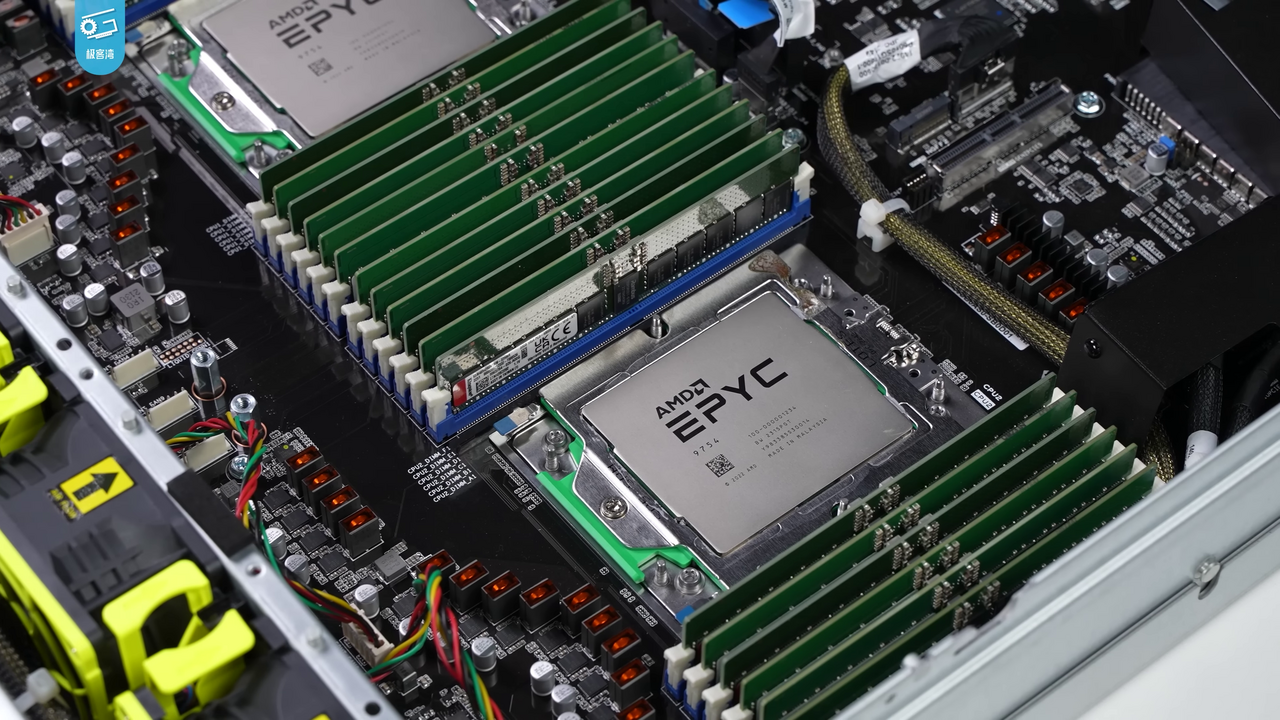
It is hardware-dependent. Per Qualys, only x86-64 processors with AVX-512 VBMI are affected, including Intel Xeon from Ice Lake onward and AMD EPYC and Ryzen from Zen 4 onward. ARM64 and x86-64 CPUs without that instruction set are not affected.

Who is affected and what to install
Qualys lists unpatched OpenJDK-based builds from 17.0.6 onward, including 21, 25 and 27, plus Oracle Java SE 8 Enterprise Performance Pack. Releases before 17.0.6, including standard Java 8 and 11, are not affected.
| Line | Fixed build (Oracle, Nov 17) |
|---|---|
| Java 17 | 17.0.21.1 |
| Java 21 | 21.0.13.1 |
| Java 25 | 25.0.5.1 |
| Java 27 | 27.0.1.1 |
Cycode reports that vendor availability varied as of November 18: Amazon Corretto, Azul Zulu and Eclipse Temurin (for 21, 25 and 27) had fixes, while Temurin 17, Red Hat and Microsoft did not yet. Check your own vendor before assuming you are covered.
The interim mitigation
Both sources give the same flag: -XX:-UseBASE64Intrinsics, which disables the vulnerable code path and may slow applications that decode large amounts of Base64. An alternative is -XX:UseAVX=2, which works on x86-64 only (Java on ARM will not start with it). A restart is required, and Cycode notes that replacing runtime files does not change a JVM that is already running. Qualys is blunt that mitigation does not replace patching.
Exposure, in practice
Qualys reports demonstrated remote code execution in default configurations of Keycloak, Jira, Confluence, Artifactory, Jenkins and PingFederate without authentication, and in Kafka, Solr, Elasticsearch, Gerrit and Spinnaker with authenticated access. It states no universal exploit exists, that each product needs its own chain, and that no in-the-wild exploitation had been publicly confirmed as of November 17. Cycode adds that Calif published a reproducer but not a remote exploit.
The analysis: AI speed against patch cycles
Java4Shell: reported time from start to working exploit (hours)
The 3-hour total is our sum of the two reported figures.
Reported AI usage cost for the whole effort: under $200.
Three hours of work for under $200 is a figure to compare with how long defenders take to roll out a runtime update. These are our observations, not claims from the sources:
- Cost-to-exploit is now small relative to the target's value. A bug in widely deployed infrastructure software justifies far more than $200 of effort, so the economics favor looking.
- Discovery speed is not exploitation at scale. Qualys stresses that each product needs its own chain, which is a real brake, though one that shrinks as tooling improves.
- Patching a runtime is slower than patching a package. Java is often embedded in vendor products, containers and appliances, and a running JVM needs a restart to take the fix.
Mitigation buys time; it doesn't replace patching.
Qualys
What defenders can take from it
- Inventory runtimes first. Check CPU flags (avx512f, avx512bw, avx512vbmi and bmi2 must all appear, per Qualys) to find which hosts are even in scope.
- Apply the flag where you cannot patch today. Roll it out through JAVA_TOOL_OPTIONS or your launch scripts, and restart.
- Patch by vendor. Use the fixed builds above and track vendors still pending.
- Plan for shorter windows. If finding bugs takes hours, patch pipelines measured in weeks become the weak point.
Security work like this is also a reminder to keep tooling model-agnostic: teams that can compare outputs across several AI models, as in Metir, can use AI for defensive review without tying a process to a single provider.
Corrections to the story as circulated
Some early reports credited a specific OpenAI cyber model. The pages we could read name Codex (BleepingComputer), and the Qualys and Cycode pages do not name a tool, so we do not repeat the model claim.
Sources:
- Qualys: How to find, mitigate and patch the critical Java4Shell flaw
- Cycode: Java4Shell (CVE-2026-114938)
- BleepingComputer: Critical Java4Shell flaw allows RCE attacks on major Java applications
- Computing: Java4Shell vulnerability puts OpenJDK at risk
Image credits
- Two AMD EPYC 9754 processors in a dual-socket server (hero): Geekerwan, CC BY 3.0, via Wikimedia Commons.
- Same server with heatsinks fitted (in-body figure): Geekerwan, CC BY 3.0, via Wikimedia Commons.