On October 1, 2026, JERA, Japan's largest power generator, signed a memorandum of understanding with Dell Technologies and the London-based developer RHAELM to build a 400 megawatt AI data center beside JERA's Chiba Thermal Power Station, east of Tokyo. The companies put capital deployment at more than $15 billion, or about 2.3 trillion yen, with Apollo Global Management as RHAELM's investment and financing partner, according to Reuters reporting carried by WHBL and Mingtiandi.
A day later the Financial Times reported a much larger ambition behind it. As relayed by The Next Web and TechRadar, JERA global CEO Yukio Kani told the FT the partners aim for 3 to 4 gigawatts of AI data centers and gas power within five years, at an estimated $35 billion to $45 billion per gigawatt. That puts the potential programme at around $140 billion. That figure is the FT's reporting of an executive estimate, not a committed budget, and the Chiba agreement itself is non-binding.
This piece looks at what was actually signed, why the project skips the grid, how it compares with Japan's existing data center footprint, and what to watch as the plan moves from memorandum to construction.
What Was Signed at Chiba
The October 1 agreement divides the work cleanly between four parties. Per Reuters via WHBL and Mingtiandi:
- JERA provides land next to its Chiba Thermal Power Station and will supply up to 400MW of electricity under a 15 to 25 year agreement.
- RHAELM develops, constructs, operates and finances the facility. Mingtiandi reports the company rebranded from Sovereign AI the month before.
- Dell Technologies supplies standardized, rack-scale AI infrastructure through its Dell AI Factory portfolio of compute, storage, networking, software and services, according to Channel Insider.
- Apollo Global Management is RHAELM's strategic investment and financing partner. TechRadar, citing the FT report, says Apollo will finance the initial $15 billion facility.
Operations are planned in phases from 2028, reaching the full 400MW in 2029. The partners describe it as Japan's largest single-site AI infrastructure deployment, and The Next Web, citing the FT, says it would be among Asia's largest outside China.
There is one figure discrepancy worth flagging. A summary of the FT report published by Dealroom describes a US$9.71 billion, 400MW data center, while the companies' own number is more than $15 billion of capital deployment. The coverage reviewed here does not reconcile the two. One plausible reading is that the smaller number covers the data center building alone and the larger one includes power infrastructure and equipment, but that is an inference, not something the sources state.
The keyword is speed to power. If you see Asia outside China, Japan is a major data centre market.
Yukio Kani, global CEO of JERA, as quoted by TechRadar from the Financial Times
Behind the Meter: Why the Project Skips the Grid
The design choice that sets Chiba apart is its power arrangement. The data center will draw electricity behind the meter, meaning directly from JERA's operating generation on the same site before that power reaches the public grid. The Next Web, citing the FT, says the facility will not be grid-connected, and quotes RHAELM's chief executive: "We can deliver a 400MW facility years ahead of a conventional grid-connected timeline."
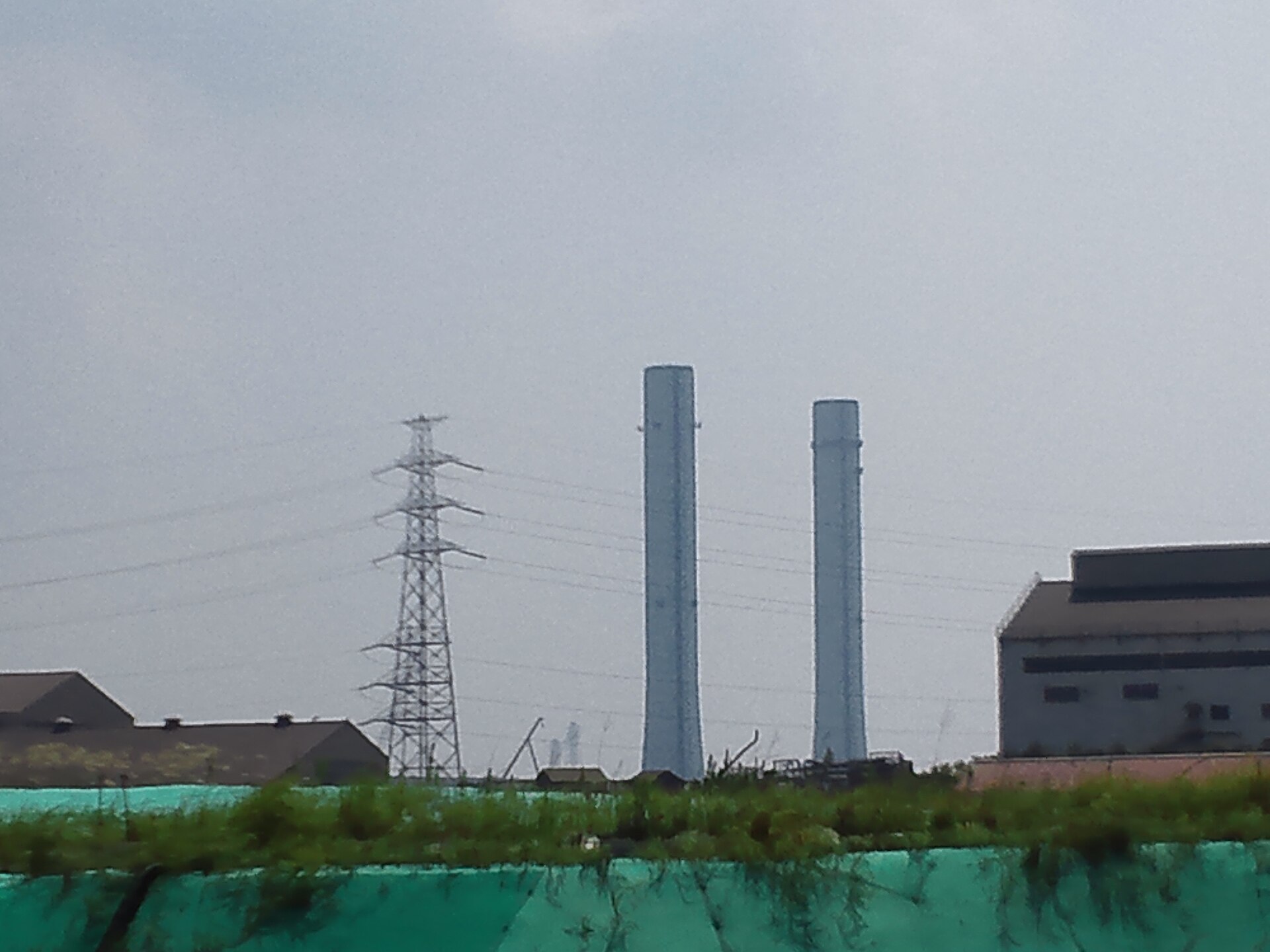
The Chiba Thermal Power Station is a large existing asset. According to Wikipedia's entry on the plant, it sits on Chiba Bay, began operating in the late 1950s as a 600MW coal plant, and was rebuilt as an LNG-fired combined cycle station from 2000, with a third group completed in July 2014. Its maximum output is listed at 4,380MW, a figure Mingtiandi also reports. A 400MW load is therefore a little under a tenth of the station's rated capacity, by simple arithmetic, although the sources do not say whether the data center will run off existing units, new dedicated generation, or both. TechRadar notes there are no details yet on generation capacity for the wider programme.
"Speed to power" is the phrase that explains the structure. The developer's own framing is that the wait for a grid interconnection, not the supply of servers, is what sets the timeline, and co-locating with an operating plant is meant to sidestep that queue. The trade-off is that the facility's energy profile is tied to gas generation for the length of the supply agreement, which places Japan's LNG import economics, and JERA's role in them, at the centre of the project. Kani said JERA's annual LNG trading volume of about 35 million tonnes could support power plants serving the planned sites, according to TechRadar.
In a Reuters-reported statement, Kani said that "by bringing our capabilities spanning the full liquefied natural gas value chain" the company could "help AI infrastructure come online faster." JERA is owned equally by TEPCO Fuel and Power and Chubu Electric Power, per Mingtiandi, and generates roughly a third of Japan's electricity, per The Next Web.
The Economics: $35 Billion to $45 Billion per Gigawatt
The per-gigawatt estimate is the key input behind the headline number. At $35 billion to $45 billion per gigawatt, 3GW to 4GW implies roughly $105 billion to $180 billion, and the FT's $140 billion sits near the midpoint. The Chiba figures line up with that range: more than $15 billion for 0.4GW works out to at least $37.5 billion per gigawatt.
The sources do not break the per-gigawatt cost down by component, but the Chiba structure shows what it has to cover: land and buildings, power supply, and the rack-scale computing that Dell provides. Arthur Lewis, president of Dell's Infrastructure Solutions Group, framed the company's angle in Channel Insider's coverage: "Deploying AI infrastructure at national scale requires a foundation built for control, flexibility and growth from day one."
The partners also say they want a standardized, repeatable framework so that later sites can reuse the Chiba design for both the computing facility and its power supply. Repetition is how infrastructure builders usually try to bring down unit costs, though no one has published a target for what a second or third site would cost.
Japan's AI Infrastructure Gap in Numbers
The case for the project rests on how small Japan's data center footprint is relative to its economy. TechRadar cites the International Data Center Authority for these figures: US data centers consume 29.2GW of electricity, about 43% of the global total; China accounts for 8.5GW, about 12.5%; and Japan consumes 1.7GW, about 2.5%.
Japan's data centre power gap, and what the partnership targets
Gigawatts. Grey bars are current data centre consumption by country; green bars are planned capacity, not yet built.
Sources: International Data Center Authority via TechRadar (country figures); Financial Times via TechRadar and The Next Web (3GW to 4GW target); JERA, Dell and RHAELM announcement via Reuters (Chiba).
Read against those figures, the plan is large. By simple arithmetic, Chiba's 400MW alone equals almost a quarter of Japan's current data center consumption as reported by the IDCA, and 4GW would be more than double Japan's entire current figure. Even so, it would leave Japan well behind the United States in absolute terms.
Japanese policy is pushing in the same direction. TechRadar reports that the government seeks 32.7 trillion yen, about $206 billion, in public and private investment through 2035 across strategic sectors that include cloud computing and data centers, as part of Prime Minister Sanae Takaichi's plan. Channel Insider links the Chiba project to the government's Watt-Bit Collaboration initiative, which aims to align power and digital infrastructure planning. The Next Web, citing the FT, reports that Japan's digital minister has warned the country risks becoming an "AI colony" if it falls behind.
A Crowded Field of Japanese Data Center Bets
JERA and Dell are not alone. TechRadar notes that Japan already hosts major operators including NTT Data and SoftBank, and that Blackstone has announced a separate $30 billion expansion. Mingtiandi lists further recent commitments, including Mitsubishi Estate's 1.5 trillion yen programme and a $10 billion investment by Microsoft.
 Microsoft
What differs here is the starting point. Most data center developers begin with land and then seek power. This partnership begins with a power company that already owns generation sites, LNG supply and grid-adjacent land, and adds a developer, a hardware vendor and a financier. Whether that ordering produces the promised timeline advantage at scale is the open question the next few years will answer.
Risks and Second-Order Effects
Several issues follow from the structure, and none is settled by the announcements:
- Execution timeline. TechRadar observes that the proposed scale depends on delivering both generation assets and computing facilities within five years. Turbines, transformers and AI accelerators all face long lead times.
- Binding commitments. The Chiba deal is a memorandum of understanding. The 3GW to 4GW goal and the $140 billion figure come from FT reporting of executive comments, not signed contracts.
- Fuel and emissions exposure. A 15 to 25 year gas supply arrangement ties the facility's operating costs to LNG prices, and its emissions to gas generation, over a period in which Japan's energy policy may change.
- Who the customers are. None of the coverage reviewed names an anchor tenant for the Chiba capacity. For model developers and enterprises, more regional compute could eventually mean lower latency and data residency options inside Japan, though that depends on who leases the capacity.
- Regional expansion. The partners say facilities could be built elsewhere in Asia, which would extend the same gas-backed model into markets with different grids and regulators.
What to Watch
- A definitive agreement that converts the memorandum into binding contracts, with a firm capital figure that resolves the $9.71 billion versus $15 billion question.
- Generation details, specifically whether Chiba uses existing units, new dedicated capacity, or both.
- Second-site announcements in Japan or elsewhere in Asia, which would test the standardized framework.
- Tenant disclosures, which will show whether demand comes from hyperscalers, AI labs or domestic enterprises.
- The 2028 first phase, the first real test of the speed-to-power claim.
FAQ
How much will the Chiba AI data center cost? The companies put capital deployment at more than $15 billion, about 2.3 trillion yen. A Dealroom summary of the FT report gives US$9.71 billion for the data center itself.
Where does the $140 billion figure come from? It comes from Financial Times reporting. JERA CEO Yukio Kani estimated $35 billion to $45 billion per gigawatt, and the partners aim for 3GW to 4GW within five years, which puts the potential programme near $140 billion.
Why will the data center not connect to the grid? It will draw power behind the meter from JERA's adjacent gas-fired plant, which the developer says lets it come online years earlier than waiting for a grid connection.
When will it open? Operations are planned in phases from 2028, with the full 400MW targeted for 2029.
What role does Apollo play? Apollo is the strategic investment and financing partner to RHAELM, the developer that will build, operate and finance the site.
Sources:
- WHBL (Reuters): JERA teams up with Dell, RHAELM on Japan's AI infrastructure
- Mingtiandi: Japan's JERA, Dell plan Greater Tokyo data centre campus
- The Next Web: Japan eyes $140bn AI data centre push with Dell and JERA, FT reports
- TechRadar: Dell, Apollo and JERA launch a $140B plan to build up to 4GW of AI data centers across Japan and Asia
- Channel Insider: Japan AI data center push could reach $140B as Dell, JERA start $15B build
- Dealroom: Japan plans $140bn AI data centre push with Dell and Jera
- Wikipedia: Chiba Thermal Power Station
Image credits
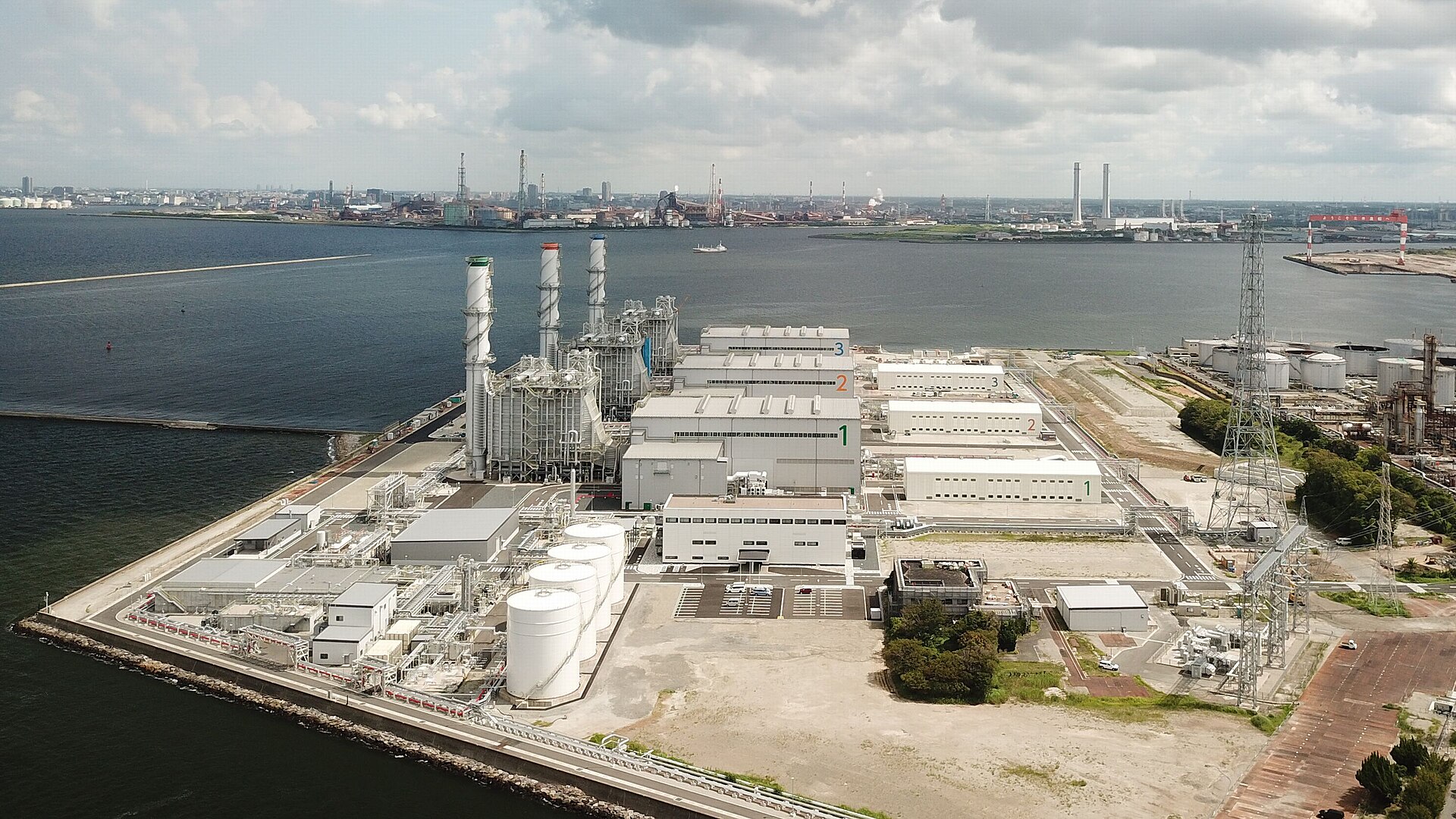
- Hero: JERA Goi thermal power plant in Ichihara, Chiba Prefecture, on Tokyo Bay, photographed in 2024. This is a different JERA plant from the Chiba station in the deal. Photo by Jihara19, Wikimedia Commons, CC BY-SA 4.0.
- In-article: Chiba Thermal Power Station, photographed in 2012. Photo by Ketsudan, Wikimedia Commons, CC BY-SA 3.0.