Google AI Mode agentic shopping has a new, concrete test case. According to TechCrunch's September 26, 2026 report, Google is letting select users in India buy from Walmart-owned Flipkart directly through Gemini and AI Mode. When a Flipkart listing appears, a Buy button takes the user into a checkout flow without leaving the AI interface. It is a small experiment on paper, but it puts the idea of a search box that also closes the sale in front of real shoppers, in one of the largest internet markets in the world.
 Google
What the Flipkart test actually does
The details reported so far are narrow, and it helps to keep them narrow. The test covers smartphones, electronics and mobile accessories. It is limited to select users in India, while everyone else continues to see ordinary Flipkart listings with no purchase option. TechCrunch reports that tapping Buy opens a Flipkart-branded checkout flow, which differs from the Google-hosted checkout Google has previously demonstrated. The article notes that the underlying technology is unclear, and Google's only comment was that it is "always testing new features and experiences to help people discover and connect with businesses more easily."
Two further details matter. Amazon products appear in these results but carry no Buy button; the direct purchase option is so far available only for Flipkart items. And TechCrunch reports that a broader rollout is planned for later in October, ahead of India's festive shopping season.
The AI Mode context
AI Mode is a Google Search experience built on Gemini. Google introduced it in March 2025, initially to Google One AI Premium subscribers in the United States through Search Labs, and it handles complex multi-part queries with text, image and voice input, according to Wikipedia's entry. Google has since layered on agentic features; 9to5Google's guide notes that AI Mode can book restaurants for users internationally and offers Search agents for AI Ultra subscribers.
The model underneath keeps moving. On September 2, 2026, Google made Gemini 3.8 Flash available in AI Mode for Google AI Pro and Ultra subscribers worldwide, selectable from the plus icon in the search bar, as reported by Search Engine Journal. Google's model announcement describes the model as showing "greater diligence, executing extra reasoning steps, and calling tools iteratively" on complex tasks. That is the capability profile a shopping agent needs, though none of the coverage says which model powers the Flipkart test, so that link should not be assumed.
When the answer, the recommendation and the checkout live on one screen, the retailer's site becomes a step inside someone else's interface.
Analysis of the Flipkart test
How the commerce funnel changes
Traditionally, discovery and purchase happen on different properties. A search engine surfaces options, the shopper clicks through to a retailer, browses a product page, fills a cart and pays. Each hop is a place the retailer can merchandise, advertise and collect data, and a place the shopper can drop off.
From question to order: two paths
In the Flipkart test, the steps between asking and paying collapse into fewer screens, and fewer of them belong to the retailer.
Illustrative. The traditional path is a generic flow, not measured data. The agentic path reflects TechCrunch's description of the test: a Buy button on select Flipkart listings that opens a Flipkart-branded checkout.
In the Flipkart test the distance between asking and paying shrinks. The conversation itself becomes the storefront window. Notably, checkout remains Flipkart-branded, which suggests a split: Google owns the discovery and the moment of intent, while the merchant keeps the order, the payment step and, presumably, the customer record. That is an inference from the reported design, not something either company has detailed.

Why India, and why Flipkart
Several reasons are plausible, and only some are documented. The documented ones: India has more than one billion internet subscribers and is the world's second-largest internet market, Flipkart and Amazon compete intensely during festive season shopping, and Google invested roughly $350 million in Flipkart in 2024. A partner in which Google already holds a stake is a lower-friction place to try a new checkout path, and a mobile-heavy market with a seasonal spending peak is a demanding place to prove it works. Choosing Flipkart also means the test launches without Amazon's participation, a contrast worth watching given the standoff between Amazon and Meta's Muse agent over who may shop on a retailer's behalf.
The plumbing an agent purchase needs
Turning a chat answer into an order requires more than a button. The agent needs live catalog data, price and stock, a way to hand the user's intent to the merchant's checkout, a payment credential the user has authorized, and fraud screening that can tell a legitimate agent-assisted order from abuse. Payment companies are building these layers; our explainer on Stripe's agentic commerce stack covers one approach. What Google and Flipkart use in India has not been disclosed, and Google said it has no further details to share.
Open questions
- Trust and returns. If an AI-surfaced purchase goes wrong, it is unclear whether the user turns to Google, Flipkart or both. A Flipkart-branded checkout points toward the merchant, but the policies are unpublished.
- Ads versus organic. When one recommendation ends in a Buy button, how listings are chosen and whether merchants can pay for placement becomes a much higher-stakes question. Nothing in the reporting addresses it.
- Who owns the transaction. The order data, the customer relationship and the follow-up marketing are all valuable, and the reported design leaves much of it with the merchant.
- Selection bias. Amazon items appear without a Buy option, so the surface is not yet neutral across retailers.
The takeaway
The Flipkart test is early, limited to a handful of product categories and select users, but it shows where AI search is heading: from answering shopping questions to finishing them. For merchants the strategic issue is whether AI surfaces become the front door and stores become back-end fulfilment. For users, it raises the value of controls: knowing what an agent is about to buy, and approving it. That is a design principle behind assistants like Metir AI, which stays model-agnostic and keeps a human approval step on agent actions, so purchasing authority does not depend on any one vendor's surface.
Sources:
- Google tests buying from Walmart-owned Flipkart through Gemini and AI Mode in India | TechCrunch
- Google Adds Gemini 3.8 Flash To AI Mode | Search Engine Journal
- Introducing Gemini 3.8 Flash and 3.8 Flash Cyber | Google
- Google Brings Gemini 3.8 Flash to Search's AI Mode | ALM Corp
- Google AI Mode guide | 9to5Google
- Google AI Mode | Wikipedia
Image credits
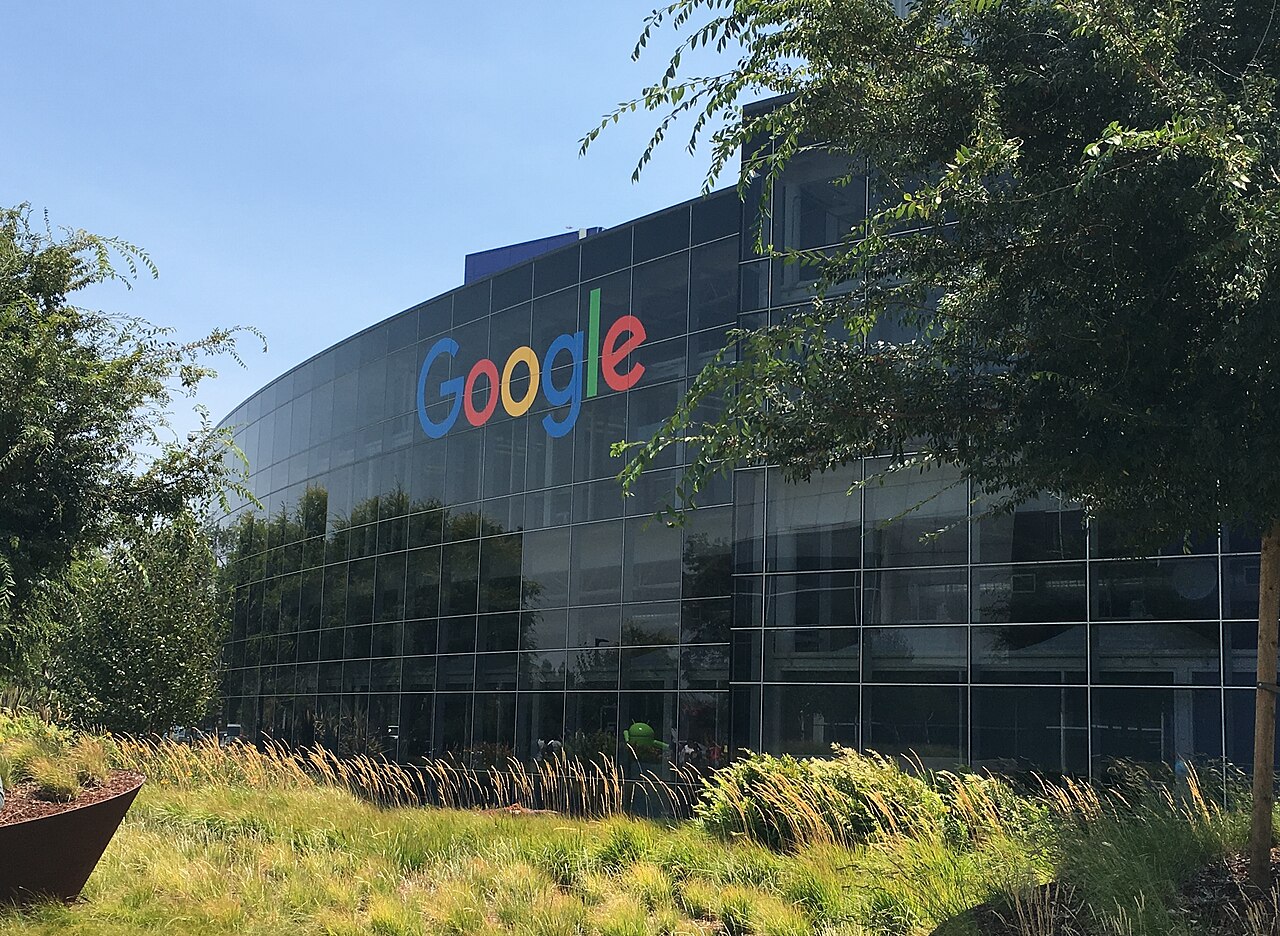
- Hero: "Googleplex HQ (cropped).jpg" by Asoundd, licensed under CC BY-SA 4.0. Source: Wikimedia Commons. Shows the Google logo on a Google building; it does not depict the Flipkart test.
- In-body figure: "Google Campus2 cropped.jpg" by Sebastian Bergmann, licensed under CC BY-SA 2.0. Source: Wikimedia Commons.
Both images reviewed before publication.