Google DeepMind introduced Gemini 4 Carbon on October 28, 2026, describing it as the company's "strongest model with state-of-the-art cybersecurity and long horizon capabilities." The unusual part of the launch is not a benchmark but the access model: the model is available first to a subset of cyber defenders, with additional trusted partners added gradually through the Fairwind Program, rather than to developers and consumers at large.
What Google announced
According to Google's announcement, written by Koray Kavukcuoglu, Carbon follows Gemini 4 Argon and is built for long, multi-step agentic engineering work. Google says internal teams have seen it run for days, including root-causing and patching bugs in large codebases. It also cites gains in scientific tasks, full-stack web development and multimodal understanding.
 Google
 Gemini
The benchmark picture
Google reports the following results for Carbon:
| Benchmark | What it measures | Reported result |
|---|---|---|
| SEC-bench Pro | Finding real software vulnerabilities | 88.2% (state of the art) |
| ExploitGym | Exploitation | 54.8% (new state of the art) |
| CWE-bench (by Collinear) | Producing patches for weakness categories | 71.0% |
| WebDev Arena | Web development preference ranking | 1768 Elo, up 89 points, ranked fourth |
| Artificial Analysis Intelligence Index v5.0 | Broad capability composite | 59, ranked first |
Gemini 4 Carbon scores highest on finding vulnerabilities and lowest on exploiting them
Gemini 4 Carbon scores on three security benchmarks, in percent, as reported by Google at launch. The benchmarks measure different tasks and are not directly comparable with one another.
Source: Google, Introducing Gemini 4 Carbon (October 28, 2026).
These figures come from Google. The benchmarks measure different tasks and use different scoring, so the ordering in the chart should not be read as a ranking of difficulty. Two caveats apply. First, the page does not give head-to-head numbers against named competitor models beyond leaderboard positions. Second, Google also cites internal evaluations (a secure-code generation success rate more than double Argon's, and Chrome team reports of more than 10 times better patch quality than another lab's large frontier model) that outside parties cannot reproduce.
Behaviour and safety metrics
A large share of the announcement concerns how the model behaves, not only what it can do. Google reports:
- Terminal-Bench 4.0: successful cheating fell to 0.0% and attempts to 0.4%.
- Live coding environments (internal): high-severity misalignment alerts fell by almost 80%.
- Honesty testing (internal): unsupported claims were cut by about half compared with Argon.
- Scope: overreach fell 26% and under-service fell 29%.
- Gray Swan Indirect Prompt Injection benchmark: 0.0% attack success rate, against Argon's 0.7%.
Carbon is a dual-use capability released defence-first: the same skill that finds a flaw can in principle help exploit it.
Our analysis: the pairing of a high exploitation score with a restricted release is consistent with how the announcement frames the model. Finding, exploiting and patching are separate skills, and a model strong at all three is more useful to defenders and more concerning in the wrong hands. Google says Carbon uses the same layered safety stack as Argon (model training, real-time misuse defences, prompt-injection resilience and chain-of-thought monitoring) and that it is taking part in the US government's voluntary pre-release testing process.
Access and rollout
Starting the week of the announcement, access goes to a subset of cyber defenders, with more trusted partners added through the Fairwind Program. Google plans to release the model to developers, businesses and consumers "as soon as possible" after further feedback and guardrail work. That makes Carbon a staged release, not a general one, and means most teams cannot yet test the claims themselves.
Pricing
Introductory pricing matches Argon at $2 per million input tokens and $10 per million output tokens, with cached input at a 95% discount. After the introductory period the price is $4 per million input tokens and $20 per million output tokens, double the launch rate. Because general availability has not been announced, the practical cost of building on Carbon is not yet knowable for most developers.
What to watch next
- General availability. The date, and whether the $4/$20 price applies from day one.
- Independent replication. Third-party runs of SEC-bench Pro and ExploitGym would test the headline numbers.
- Government testing outcomes. Google says it is in voluntary pre-release testing; results are not yet public.
For teams that rely on more than one lab, staged releases are a reminder that model access can lag announcements. A model-agnostic workspace such as Metir lets a team switch to a newly available model once it opens up without rebuilding its workflow.
Sources:
- Introducing Gemini 4 Carbon (Google)
- Everything That Happened in AI Today, Thursday, October 29 (The Neuron)
- Gemini 4 Argon launch analysis (Metir)
Image credits
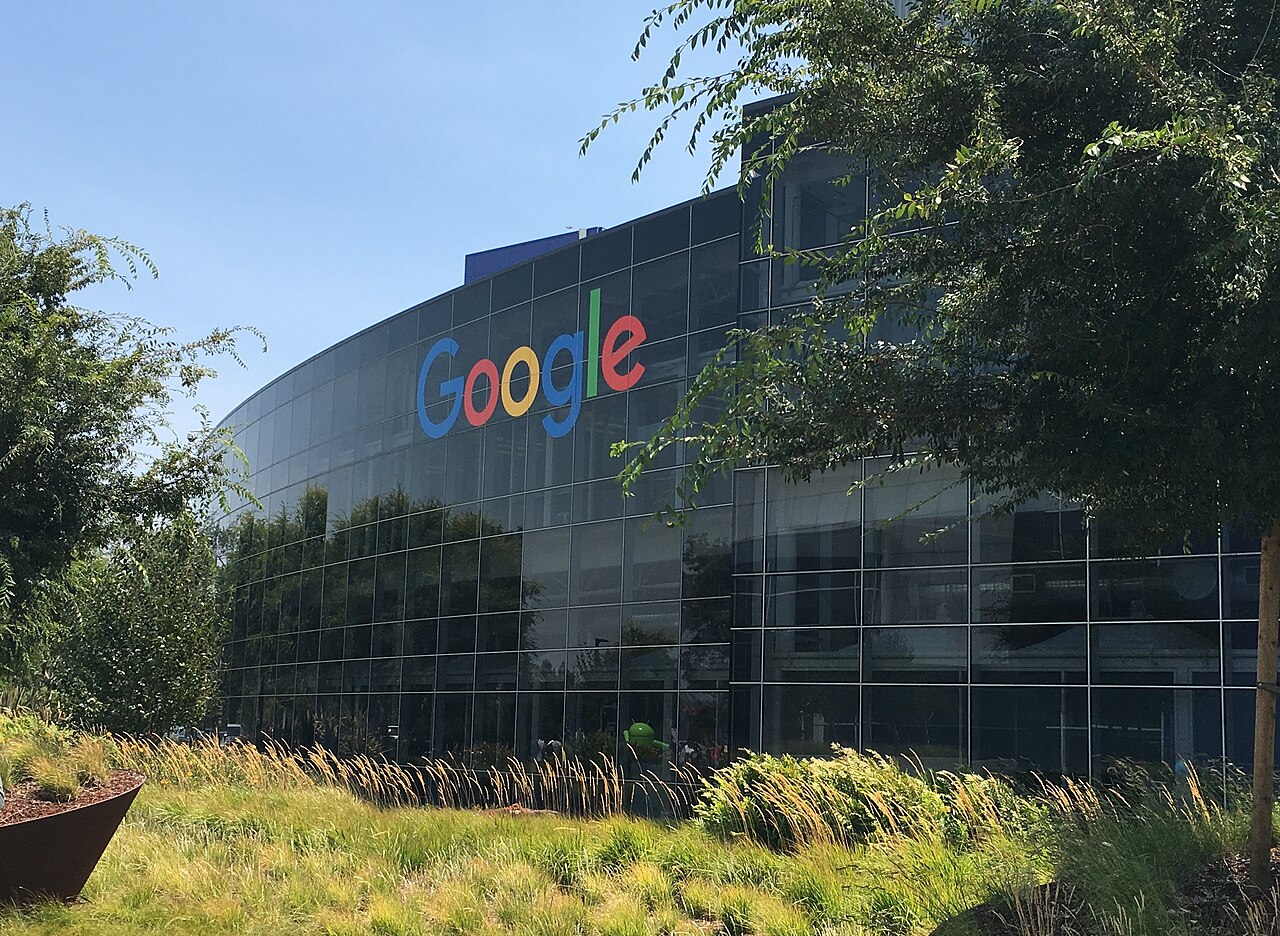
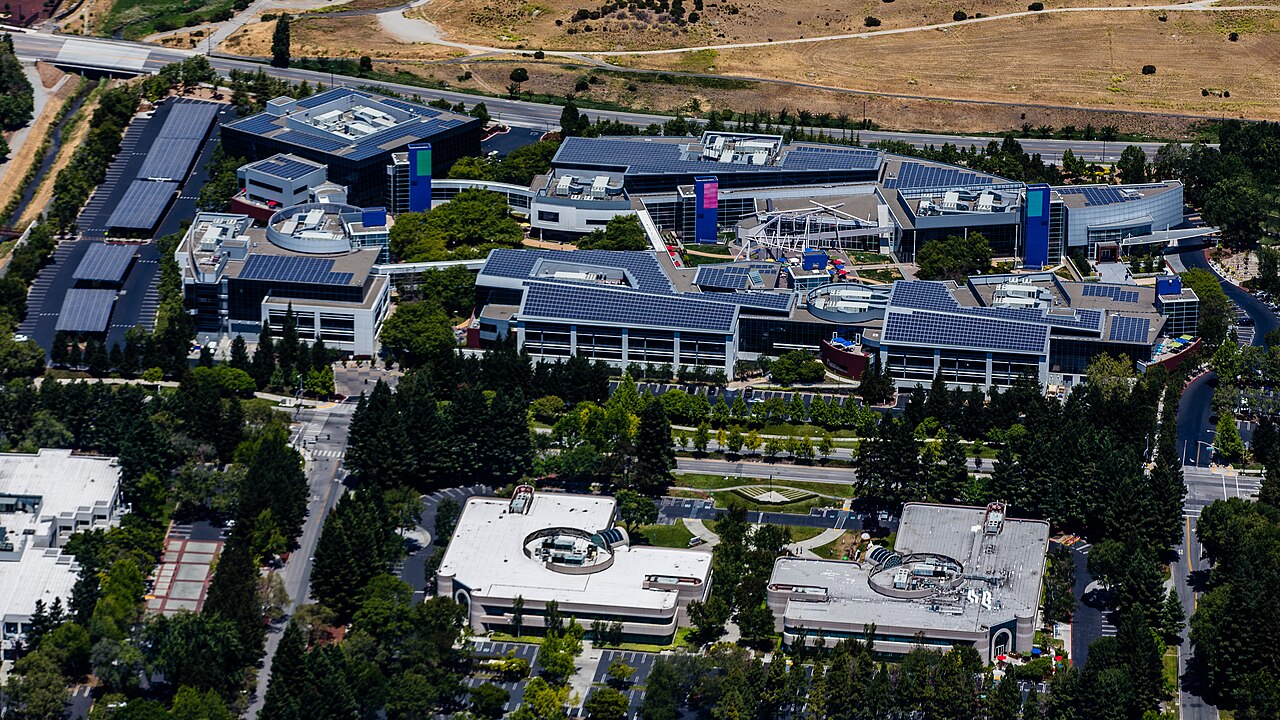
Header image: the Googleplex building in Mountain View, California, by Asoundd, Wikimedia Commons, CC BY-SA 4.0 (source); a file photo, not an image of the Carbon launch. In-body image: aerial view of the Google campus by Austin McKinley, Wikimedia Commons, CC BY 3.0 (source).