On July 16, 2026, the European Commission handed Google two sets of binding instructions under the Digital Markets Act. The first tells Google to let rival artificial intelligence assistants use the same Android system features that its own Gemini assistant uses. The second tells Google to share anonymized Search data with competing search providers. Neither measure is a fine, and neither is a headline model launch, but together they may shape how AI reaches European users more than any single product this year. This piece explains what was actually ordered, when it takes effect, and why the quiet mechanics of distribution and data sit at the center of the AI contest.
What the Digital Markets Act actually is
The Digital Markets Act, or DMA, is a European law that applies a fixed set of obligations to the largest platform companies, which it calls gatekeepers. Rather than waiting years for an antitrust case to prove harm after the fact, the DMA writes rules in advance for companies above a certain size and reach, then requires them to comply. Google, owned by Alphabet, is a designated gatekeeper across several of its services including Google Search and the Android operating system.
The important structural point is that the DMA is a compliance regime, not a lawsuit. When the Commission issues specification measures, it is telling a gatekeeper how to meet an obligation the law already imposes. The July 16 decisions are exactly that: detailed instructions on how Google must open two of its most valuable assets.
Google now has to reconcile those instructions with its existing products, and it has said it disagrees with the approach. In a statement on the day, Kent Walker, Alphabet's president of global affairs, argued the decisions risk weakening privacy and security protections for European users. That objection matters, and we will return to it, but it does not pause the obligations.
Remedy one: rival AI assistants get equal footing on Android
The first measure is about the phone in a user's hand. Today, Google's Gemini assistant enjoys deep access to Android: it can be triggered by voice, interact with other apps, read certain sensors, and run tasks in the background. Competing assistants have historically been able to do only some of these things, and often less smoothly.
Under the ruling, by the next Android release, expected around July 2027, Google must allow third-party AI assistants access to the same set of eleven system feature groups that Gemini uses. In practice that means a rival assistant could be set as the default, launched hands-free, and allowed to act across apps in the way users currently expect only from Google's own software.
Why does this matter so much? Because on mobile, distribution is destiny. A model that is one tap or one voice command away gets used; a model buried three menus deep does not. For years the debate about AI competition focused on who has the best model. This remedy is a reminder that on a phone, the assistant with privileged access to the operating system has an advantage that raw model quality cannot easily overcome.
Remedy two: the search data moat gets a channel out
The second measure reaches into something less visible but arguably more strategic. Google Search processes the overwhelming majority of European queries, and that volume produces a dataset about what people search for, click, and skip that no competitor can assemble at similar scale. That data feeds ranking quality, which draws more users, which produces more data. It is a self-reinforcing loop.
Why the remedy points at one company
Approximate share of the European search market. Google's dominance is the reason regulators treat its search data as an input rivals cannot replicate at scale.
Share figures are approximate and vary by tracker and month. The Digital Markets Act applies obligations to designated gatekeepers regardless of the exact percentage.
The DMA measure requires Google to share anonymized Search data with rival search providers, with the sharing beginning in January 2027. The Commission says it developed a multi-layered anonymization method with privacy specialists, intended to align with the interplay between the DMA and Europe's data-protection rules. The goal is narrow and specific: give competitors, including AI-native search entrants, a way to close part of the data gap that dominance created.
For years the debate about AI competition focused on who has the best model. This ruling is about who controls the road the model travels to reach a user.
This is the part most relevant to the current AI moment. Modern AI answer engines and assistants increasingly compete with traditional search for the same user intent. If access to large-scale query data is one of the ingredients that makes search useful, then a mandated data channel is an attempt to lower a barrier that would otherwise entrench whoever already sits at the top.
The timeline is the story
Regulatory announcements are easy to over-read on day one. The disciplined way to track this one is by its dates, because the obligations phase in rather than landing all at once.
| Milestone | Date | What changes |
|---|---|---|
| Specification measures issued | July 16, 2026 | Google receives binding instructions on both remedies |
| Search data sharing begins | January 2027 | Anonymized query data made available to rival providers |
| Android AI interoperability | By the next Android release, around July 2027 | Rival assistants gain access to the same 11 feature groups as Gemini |
Two things follow from this table. First, nothing is instant, so the near-term effect on users is small and the near-term effect on competitors is mostly preparation. Second, the enforcement teeth are real: the DMA allows penalties of up to ten percent of a gatekeeper's global annual turnover for non-compliance, rising for repeat breaches. That is what turns instructions into obligations.
The genuine tension: openness versus safety
Google's objection is not purely self-interested, and treating it that way would be lazy analysis. There is a real design tension here. The same system hooks that let a helpful assistant act across your apps are the hooks that, in the wrong hands, could be abused. Broad access granted to many third parties is harder to police than access granted to one first party the platform controls end to end. Sharing query data, even anonymized, raises the question of whether anonymization holds up against determined re-identification.
The Commission's position is that these risks can be managed with careful specification, and that the competitive cost of leaving the moats untouched is itself a harm worth addressing. Both positions can be partly right. The honest reading is that this is a trade-off between contestability and centralized control of safety, and reasonable people weigh those differently. Watching how the anonymization method performs in practice, and how Google implements the access controls, will tell us more than any statement issued this week.
Why this matters even outside Europe
European rules have a habit of traveling. When a company must build an open, interoperable version of a product for one large market, that engineering often becomes the path of least resistance elsewhere, a pattern sometimes called the Brussels effect. If Android ships a genuine framework for swapping in any AI assistant, that framework exists in the codebase regardless of geography.
For anyone building on top of AI, the deeper lesson is about optionality. The value of being able to choose your assistant, or your model, comes from not being locked to a single provider's defaults. That principle holds one level up too: teams that route their work through a model-agnostic layer, rather than hard-wiring one vendor, keep the freedom to switch as capabilities and prices move. A workspace such as Metir AI reflects the same idea the DMA is trying to force at the platform level, that the user, not the gatekeeper, should decide which intelligence answers the question.
 Google
 Gemini
 OpenAI
 Perplexity
 Microsoft
The bigger picture
It is tempting to see model launches as the whole AI story. They are not. A model only matters once it reaches a user, and reaching a user runs through operating systems, default settings, app stores, and the data that makes answers good. The July 16 decisions are a bet by European regulators that the AI race will be decided as much by these channels as by benchmark scores. Whether the remedies achieve real contestability or simply add compliance overhead will not be clear until 2027, when the dates arrive. Until then, the most useful thing to watch is not the rhetoric but the implementation, because in distribution, the details are the whole game.
Sources:
- Commission provides guidance to Google for AI interoperability on Android and sharing of Google Search data under the DMA | European Commission
- Google required to open up to AI, search engine rivals under EU-mandated changes | CNBC
- EU forces 90%-dominant Google to share its search data | PPC Land
- EU Orders Google to Share Search Data, Open Android to Rival AI Starting January Next Year | BigGo Finance
- Google must open Android and search data to rival AI firms in Europe | Simply Wall St News
Image credits
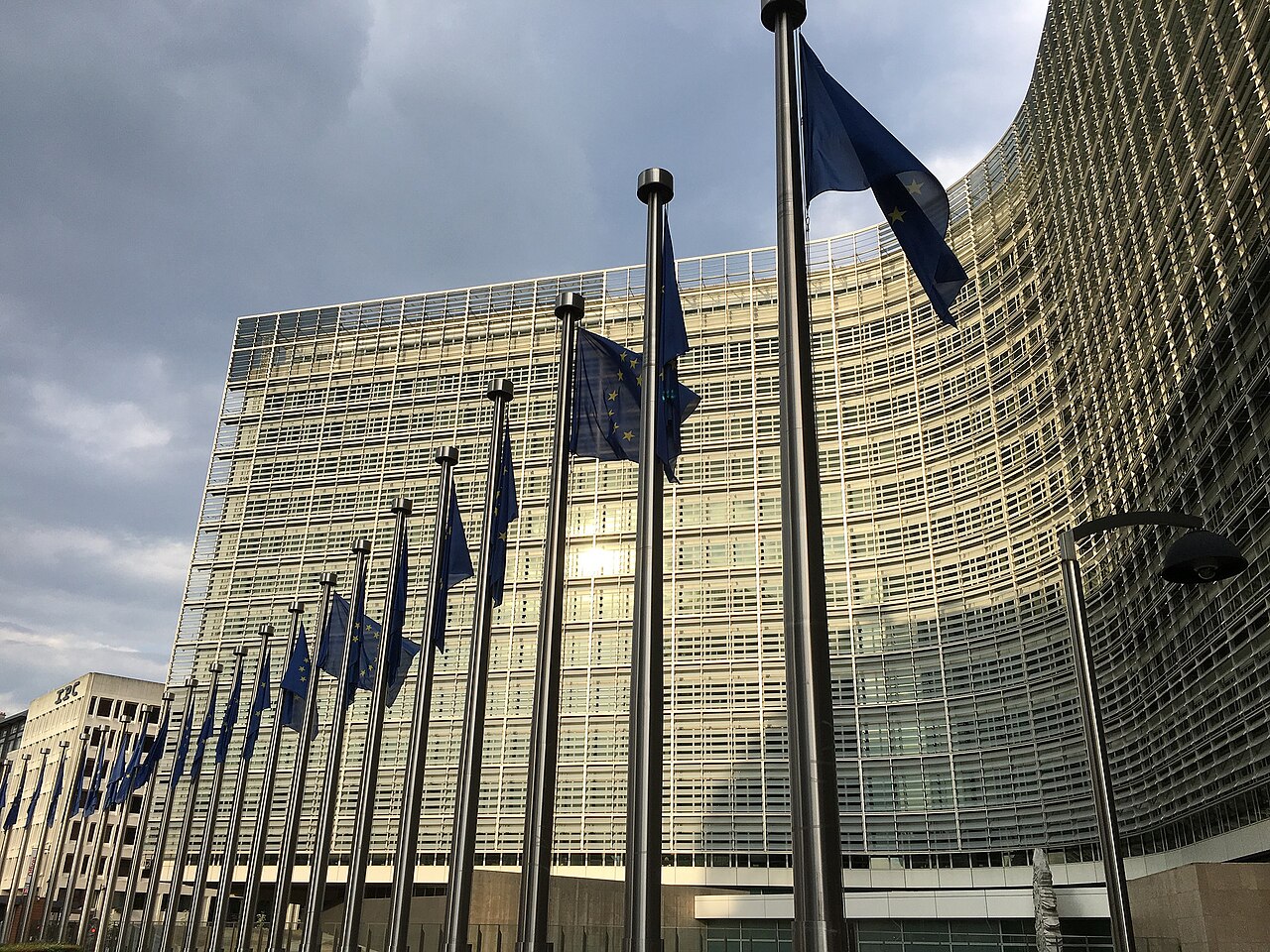
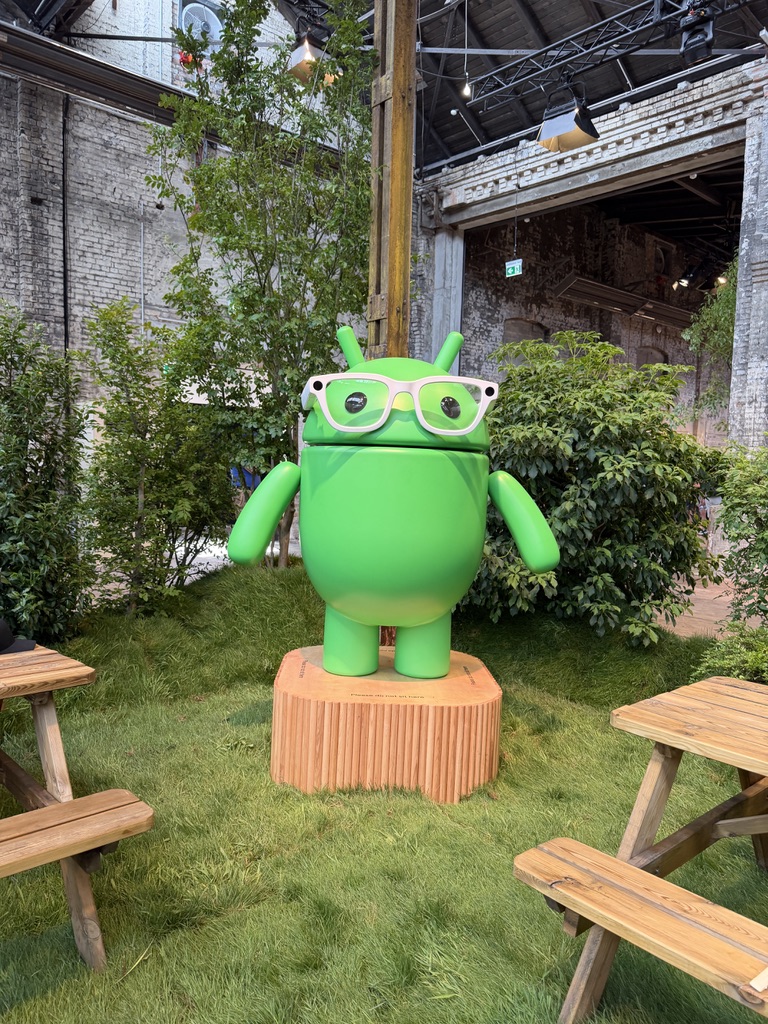
Header image: the Berlaymont building, headquarters of the European Commission in Brussels, via Wikimedia Commons, released under CC0. In-body photograph of an Android robot mascot at a Google developer event via Wikimedia Commons, licensed under CC BY 4.0.