The AI coding landscape shifted dramatically in late 2025 when Anthropic released Claude Sonnet 4.6 and Claude Opus 4.6. These aren't incremental improvements—they're watershed moments that establish new standards for what AI can accomplish in software development.
Claude Opus 4.6 now holds the crown as the best coding model in the world, achieving an unprecedented 80.9% on SWE-bench Verified while using up to 65% fewer tokens than competitors. Meanwhile, Claude Sonnet 4.6 can code autonomously for over 30 hours without degradation, reaching 77.2% on SWE-bench Verified and 82.0% with enhanced reasoning.
Let's dive deep into what makes these models exceptional, how they compare to GPT and Gemini, and why developers worldwide are switching to Claude in 2026.
The Benchmark Battle: Claude Dominates Coding Tests
When evaluating AI coding models, benchmarks provide objective measures of real-world capability. Claude 4.6 models aren't just winning—they're redefining what's possible.
SWE-bench Verified: Real GitHub Bug Resolution
SWE-bench Verified tests an AI's ability to solve actual GitHub issues from popular open-source repositories. It's the gold standard for measuring coding capability because it evaluates real-world problem-solving, not toy examples.
According to benchmark analysis from Vellum AI, Claude Opus 4.6 achieves 80.9%, outperforming:
- Gemini 3 Pro: 76.2%
- GPT 5.1: 76.3%
- Claude Sonnet 4.6: 77.2% (standard) / 82.0% (with parallel compute)
Claude Opus 4.6's lead might seem modest at first glance, but as Anthropic notes, the model accomplishes this while being dramatically more token-efficient. At medium effort, Opus 4.6 matches Sonnet 4.6's best score using 76% fewer output tokens. At maximum effort, it exceeds Sonnet 4.6 by 4.3 percentage points while still using 48% fewer tokens.
This efficiency translates to faster responses, lower costs, and more reliable results.
Terminal-Bench 2.0: Command-Line Mastery
Terminal-Bench evaluates an AI's ability to navigate command-line interfaces—a critical skill for agentic coding workflows.
According to DataCamp's analysis, Claude Sonnet 4.6 became the first model to crack 60% on Terminal-Bench 2.0, demonstrating superior agentic coding capabilities:
- Claude Sonnet 4.6: 61.3% (with extended thinking)
- Claude Opus 4.6: 59.3%
- Gemini 3 Pro: 54.2%
- GPT 5.1: 47.6%
Warp's testing found that Claude Opus 4.6 delivers a 15% improvement over Sonnet 4.6 in Terminal-Bench, particularly when using Warp's Planning Mode for complex multi-step terminal operations.
Multi-Language Code Excellence
Real-world software development requires fluency across multiple programming languages. Claude Opus 4.6 excels here too.
On SWE-bench Multilingual, Opus 4.6 leads across 7 out of 8 programming languages. On Aider Polyglot, which tests code editing across C++, Go, Java, JavaScript, Python, and Rust, Opus 4.6 shows a 10.6% jump over Sonnet 4.6.
However, GPT 5.1 still holds an edge in pure multi-language consistency at 88% on Aider Polyglot, according to Clarifai's model comparison. The takeaway? Claude excels at complex problem-solving across languages, while GPT maintains slight advantages in standardized multi-language editing.
Why Claude Sonnet 4.6 is the Best Coding Model
Beyond raw benchmark scores, Claude Sonnet 4.6 introduces capabilities that fundamentally change how developers work with AI.
30+ Hours of Autonomous Coding
The most stunning capability of Claude Sonnet 4.6 is its ability to maintain focus and coherence during extended coding sessions lasting over 30 hours.
InfoQ reports that Sonnet 4.6 can build entire applications from scratch without stopping or degrading in performance. This is a quantum leap from previous models that struggled to maintain context beyond 7-10 hours.
This extended coherence stems from:
- 200K token context window (with 1M available in beta)
- Extended thinking mode with up to 64,000 tokens of pure reasoning
- Interleaved thinking that reasons between tool calls
As the Anthropic documentation explains, traditional models think once then act. Claude Sonnet 4.6 thinks between actions, continuously refining its approach based on intermediate results.
Zero Code Editing Errors
Code editing is one of the hardest challenges in AI-assisted development. Making precise changes without introducing regressions requires deep understanding.
Replit's internal benchmark revealed that Claude Sonnet 4.6 achieved a 0% error rate on their code editing benchmark, down from 9% on Sonnet 4. This means Sonnet 4.6 can modify existing code with near-perfect accuracy.
This editing precision makes Claude ideal for:
- Refactoring legacy codebases
- Implementing features across multiple files
- Maintaining code style and conventions
- Fixing bugs without creating new ones
Extended Thinking for Complex Problems
Extended thinking is Claude's secret weapon for tackling genuinely difficult coding challenges.
When enabled, Claude creates visible thinking blocks where it works through problems step-by-step. You watch it consider approaches, reject flawed ideas, and build solutions methodically.
Skywork AI's benchmark analysis shows extended thinking delivers dramatic improvements:
- AIME 2025 math competition: 100% with Python tools, 87.0% without (vs 70.5% for Sonnet 4)
- GPQA Diamond (graduate-level questions): 83.4%
- Complex STEM problems: Substantially improved through multi-step reasoning
For coding, this means Claude can:
- Design complex algorithms with multiple constraints
- Debug subtle concurrency issues
- Architect system-level solutions
- Reason through performance optimizations
Claude Opus 4.6: When You Need Maximum Power
While Sonnet 4.6 is exceptional, Claude Opus 4.6 represents Anthropic's absolute peak performance—and it's now one-third the cost of the previous Opus generation.
State-of-the-Art on Every Coding Metric
Anthropic's announcement positions Opus 4.6 as "the best model in the world for coding, agents, and computer use."
The data supports this claim:
- SWE-bench Verified: 80.9% (highest score ever recorded)
- Terminal-Bench: 59.3% (second only to Sonnet 4.6's extended thinking mode)
- LiveCodeBench: +16 percentage points over Sonnet 4.6
- τ²-Bench Telecom: +12 percentage points over Sonnet 4.6
Opus 4.6 also scored higher than any human candidate on Anthropic's internal take-home exam for performance engineers. The model is operating at expert professional levels.
Dramatic Cost Reduction
The previous Claude Opus 4.1 cost $15 per million input tokens and $75 per million output tokens. Opus 4.6 costs:
- $5 per million input tokens
- $25 per million output tokens
That's a 67% price reduction while delivering superior performance. Combined with the token efficiency improvements (48-76% fewer tokens needed), the effective cost reduction is even more dramatic.
Production-Ready Code Quality
User reports from Every.to highlight that developers are seeing 50-75% reductions in tool calling errors and build/lint errors, with tasks completing in fewer iterations and more reliable execution.
Opus 4.6 produces code that:
- Runs correctly on first try more often
- Includes proper error handling
- Follows best practices and conventions
- Requires less human review before deployment
Beyond Coding: Where Claude 4.6 Models Excel
While these models dominate coding, their capabilities extend far beyond software development.
Advanced Reasoning and Analysis
Claude Opus 4.6's extended thinking makes it exceptional for:
- Financial analysis: Skywork AI reports investment-grade insights for risk modeling, structured products, and portfolio screening
- Legal reasoning: State-of-the-art on complex litigation tasks, analyzing full briefing cycles and synthesizing excellent opinion drafts
- Scientific research: Perfect 100% on AIME 2025 math competitions demonstrates graduate-level STEM capability
Enterprise Document Processing
According to Anthropic's use case guide, Opus 4.6 is "meaningfully better at everyday tasks like deep research and working with slides and spreadsheets."
The model can:
- Create spreadsheets with pivot tables, embedded charts, sparklines, and conditional formatting
- Build presentations with thoughtful structure and design
- Redline legal contracts with expert precision
- Extract insights from complex charts and diagrams
Creative Writing (With Caveats)
For creative writing, Claude Opus 4.6 has unique strengths and weaknesses.
User testing reported by Every.to found that Opus 4.6 is "excellent at writing compelling copy without AI-isms" and "creates genuinely quality prose."
However, as an editor, it "tends to be way too gentle, missing critiques that other models catch." The agreeableness that makes Opus excellent for code execution makes it a weaker creative collaborator.
For short-form content like headlines and promotional copy, Opus 4.6 excels. For deep editorial feedback, other models may serve better.
What Makes Anthropic's Approach Unique
Claude's dominance isn't accidental—it stems from Anthropic's distinctive approach to AI development.
Constitutional AI: Safety Meets Capability
Anthropic pioneered Constitutional AI, a training approach that embeds ethical principles directly into the model rather than bolting them on afterward.
The constitution draws from:
- UN Declaration of Human Rights
- Trust and safety best practices
- Principles from other AI labs (e.g., DeepMind's Sparrow Principles)
- Non-Western philosophical perspectives
Claude Sonnet 4.6 achieves a 98.7% safety score on 150 malicious coding requests, compared to 89.3% for Sonnet 4. It refuses harmful requests while remaining helpful for legitimate use cases.
Scalable Oversight Through AI Feedback
Traditional models require massive human feedback to improve. Anthropic's Constitutional AI uses AI-generated feedback derived from principles, enabling faster iteration without compromising safety.
This creates what researchers call a "Pareto improvement"—Claude becomes both more helpful and more harmless simultaneously.
Extended Context Windows
Claude 4.6 models support:
- 200K token context (standard)
- 1M token context (beta availability)
- 64K token output capacity
This massive context enables Claude to:
- Process entire codebases at once
- Maintain consistency across long documents
- Reference extensive conversation history
- Handle complex multi-file refactoring
Claude vs GPT-5 vs Gemini 3: The 2026 Comparison
How do Claude 4.6 models stack up against the latest from OpenAI and Google?
Coding: Claude Leads, GPT Competes, Gemini Specializes
According to comprehensive testing by CometAPI:
- Claude Opus 4.6: Best overall for complex problem-solving and bug fixing
- GPT 5.1: Most consistent multi-language editing, strong all-rounder
- Gemini 3 Pro: Dominates algorithmic/competitive programming with Grandmaster-tier Codeforces rating
Vertu's AI comparison found that "no single model excels at everything" and professional developers are adopting multi-model workflows.
Reasoning: Claude's Extended Thinking Shines
For tasks requiring deep reasoning:
- Claude Opus/Sonnet 4.6: Extended thinking with visible reasoning chains, 100% AIME performance
- GPT o1/o3: Chain-of-thought reasoning, hidden internal process
- Gemini 3 Pro: Strong but less specialized for multi-step reasoning
Real-World Agentic Tasks: Claude Dominates
On Terminal-Bench and OSWorld, Claude leads significantly:
- Claude Sonnet 4.6 on OSWorld: 61.4% (up from 42.2% four months earlier)
- Competitors struggle to break 55% on these agentic benchmarks
Cost Efficiency: Claude Wins
With Opus 4.6's 67% price cut and dramatic token efficiency improvements, Claude offers the best price-performance ratio for high-end AI coding in 2026.
How to Access Claude 4.6 Models
You have several options for accessing Claude's cutting-edge capabilities:
Official Claude Platform
- Visit claude.com for direct access
- Free tier with generous limits
- Pro subscription for extended usage
- API access for developers
Metir AI: Multi-Model Access
Metir AI provides unified access to:
- Claude Sonnet 4.6 and Claude Opus 4.6
- GPT-5.4 Instant, GPT-5.4 Thinking, GPT-5.4 Pro, and other OpenAI models
- Gemini 3 Pro, Grok, and Perplexity
- Meeting transcription and image generation
With Metir AI, you can leverage Claude's coding excellence alongside other specialized models, choosing the best AI for each specific task without managing multiple subscriptions.
AWS Bedrock and Other Cloud Providers
Claude is available through:
- Amazon Bedrock
- Google Cloud Vertex AI
- Microsoft Azure (Opus 4.6 announced)
The Future of AI Coding in 2026 and Beyond
The release of Claude Sonnet 4.6 and Opus 4.6 signals a broader shift in AI development:
Multi-Model Workflows Become Standard
As GetPassionFruit's analysis notes, professional developers increasingly use different models for different tasks rather than committing to a single provider.
Autonomous Coding Extends to Days
Claude Sonnet 4.6's 30-hour autonomous coding is just the beginning. Future models will handle week-long development sprints with minimal human intervention.
AI Becomes True Development Partner
With near-zero error rates and production-quality output, AI is transitioning from "code assistant" to "development partner" capable of owning entire features.
Conclusion: Claude Sets the Bar for AI Coding in 2026
Claude Sonnet 4.6 and Claude Opus 4.6 represent a quantum leap in AI coding capability. With state-of-the-art performance on every major benchmark, unprecedented autonomous coding duration, and dramatic cost reductions, these models establish new standards the industry will chase for years.
For developers, the implications are profound:
- 80.9% success rate on real GitHub issues
- 30+ hours of coherent autonomous work
- Zero error rate on code editing tasks
- 67% lower costs with Opus 4.6's pricing
Whether you access Claude directly or through platforms like Metir AI that combine it with other cutting-edge models, Claude 4.6 should be in your toolkit.
The AI coding revolution is here. Claude is leading it.
Try Claude Sonnet 4.6 and Opus 4.6 free on Metir AI →
Want to understand when to use Claude vs other AI models? Check out our guide: Which LLM to Use and When: The Ultimate Guide to Choosing the Right AI Model in 2026
Image credits
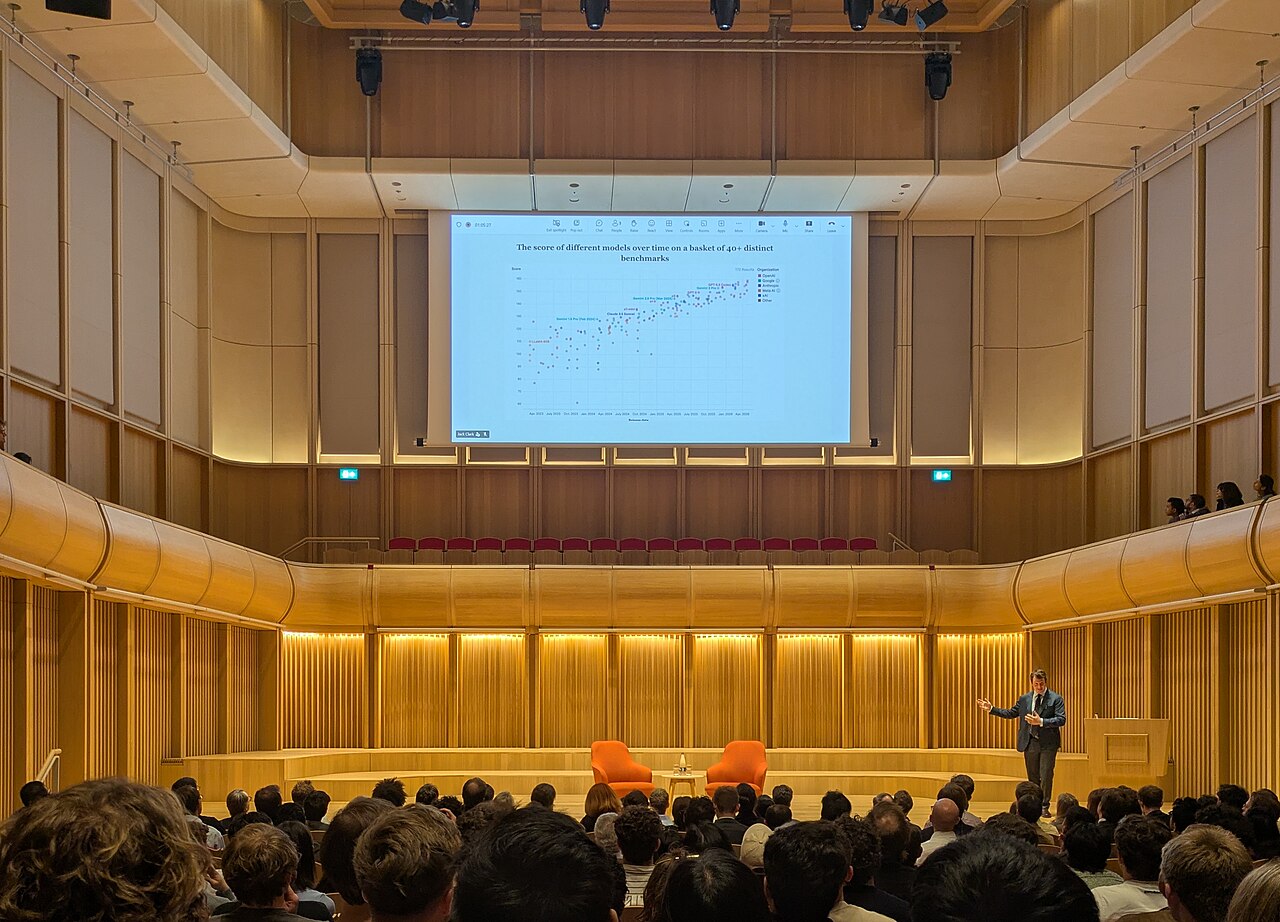
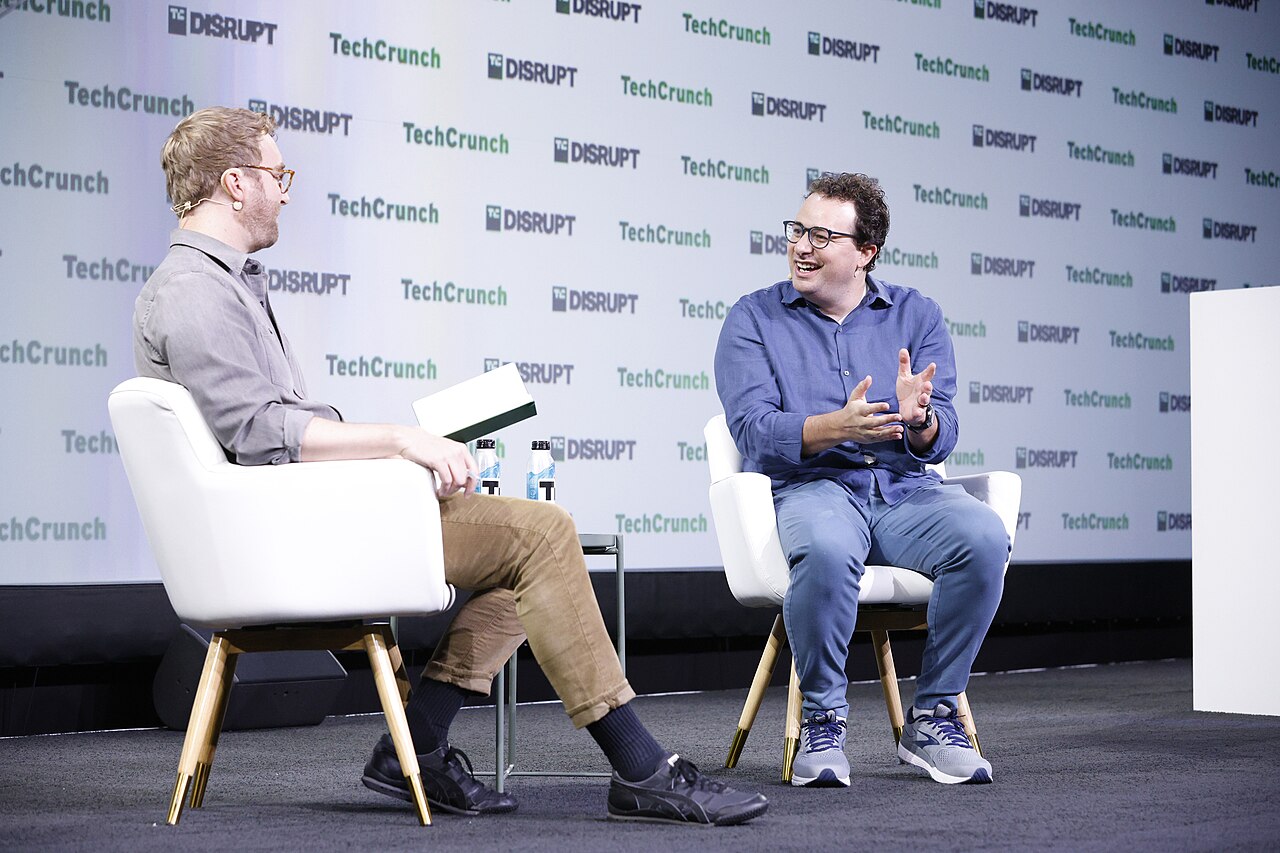
Header image: Jack Clark, co-founder of Anthropic, presenting model benchmark scores over time during a talk at the Schwarzman Centre in Oxford, by Mvolz via Wikimedia Commons, released under CC0. In-body photograph of Dario Amodei at TechCrunch Disrupt 2023, by TechCrunch via Wikimedia Commons, licensed under CC BY 2.0.