ByteDance released Seedance 2.5 as a product on July 31, 2026, and opened its public developer API on August 7, making the model available to anyone building on top of it rather than only to users of ByteDance's own apps. The single most-discussed capability is deceptively simple to state: it generates up to 30 seconds of video in one continuous shot, with scene changes and tempo shifts inside that shot, and no stitching of separate clips. For a field where most models still produce a handful of seconds at a time, that is a meaningful jump. This piece explains what single-take generation actually changes, what else the model does, and where the honest limits still sit.
Why the single shot matters
The reason short clip length has been the defining constraint of AI video is continuity. When a model can only generate a few seconds at a time, longer sequences have to be assembled from separate generations, and every join is a place where a character's face, the lighting, or the motion can drift. Editors spend real effort hiding those seams, and audiences notice when the hiding fails. A model that holds a single continuous take for up to 30 seconds removes the seams entirely for the length of that shot.
Seedance 2.5 is built to keep appearance, lighting and motion style consistent across the full duration, which ByteDance attributes to optimized spatial and temporal attention. The practical result is that a creator can ask for a 30-second sequence that includes a change of scene and a change of pace and get it back as one coherent piece, rather than as a set of fragments to be reconciled later. That is less a raw quality improvement than a workflow one, and workflow is often where these tools either save time or fail to.
The reported Seedance 2.5 profile
Four design choices that define what the model is built to do. Figures are ByteDance-reported; independent benchmarks were not available at launch.
The rest of the feature set
Length is the headline, but the reference system is arguably the more consequential feature for people who make things for a living. Seedance 2.5 accepts up to 50 multimodal references in a single generation, reported as up to 30 images, 10 video clips and 10 audio clips. References are how a creator pins down what the output should look and sound like: a character's face, a product's exact shape, a specific voice or musical texture. More reference slots means more control, and control is what separates a novelty generator from something a studio can actually direct.
A model that holds a single continuous take for up to 30 seconds removes the seams entirely for the length of that shot.
On why clip length has been the defining constraint
The model also generates native audio in the same pass as the video, with reported support for more than ten languages, rather than requiring a separate step to add a soundtrack or dialogue. It offers the now-standard modes, generating a clip from a written prompt alone or animating a still image into motion, and adds timestamp-level editing so a creator can adjust specific moments in a generation rather than rerolling the whole thing. Taken together, the design points at one goal: fewer round trips between separate tools to get from an idea to a finished, sounded clip.
The limits worth stating plainly
Two caveats keep this in proportion. The first is evidence: at the time of the API launch, no independent benchmarks for Seedance 2.5 existed, so claims about consistency and quality rest largely on ByteDance's own demonstrations and on early user impressions rather than on neutral comparison. Generative video is notoriously prone to failure modes that only show up at scale, from warped hands to physics that quietly breaks, and a 30-second window is 30 seconds of opportunity for those errors to appear. Longer is not automatically better if the additional seconds introduce artifacts.
The second is access. The model launched first as the default video engine inside ByteDance's own consumer apps, Jimeng and Dreamina, and there is no free quota on the API: enabling it reportedly requires an account balance above roughly $30 or an active Seedance 2.0 resource package. That is a modest barrier, but it is a reminder that these capabilities arrive as paid infrastructure, and that the economics of generating longer, higher-fidelity video with synced audio are not free to the person clicking generate.
Where this fits in the wider race
Seedance 2.5 lands in a crowded field. Several labs are pushing on video length, audio-video fusion and reference control at once, and the frontier is moving fast enough that any single model's lead tends to be measured in months. The useful way to read a release like this is not as a permanent ranking but as a marker of where the practical bar now sits: a 30-second single-shot clip with synced audio and 50 references is roughly what a serious video model is now expected to offer, and the next release from a competitor will move that bar again.
For teams that build creative pipelines rather than train models, the recurring lesson is to keep the pipeline able to swap engines as the frontier moves. A workflow that hard-codes one video model has to be rebuilt every time a better one ships; a model-agnostic pipeline, the posture that platforms like Metir AI are designed around, lets a team pull in whichever engine is currently best without rebuilding around it. In a field where the leader changes this quickly, that flexibility is worth more than any single model's current edge.
The takeaway
What is verifiable is that Seedance 2.5 generates up to 30 seconds of native single-shot video with synced audio, accepts a large set of multimodal references, and is now available through a public API after launching inside ByteDance's own apps. What is not yet verifiable is how it stacks up against its rivals under neutral testing, because independent benchmarks did not exist at launch. The single-take capability is a genuine step in the part of video generation that matters most for real production, continuity, but the size of that step will be settled by scrutiny the model has not yet received.
Sources:
- ByteDance Seedance 2.5: Native 30-Second AI Video, No Stitching Required | The Times
- Seedance 2.5: ByteDance 30-second audio-video AI model | Morphic
- Seedance 2.5: Release Date, Features and What to Expect | Hedra
- Seedance 2.5 Release Timeline: August 7 API Launch | EvoLink
- Seedance 2.0 | Wikipedia
Image credits
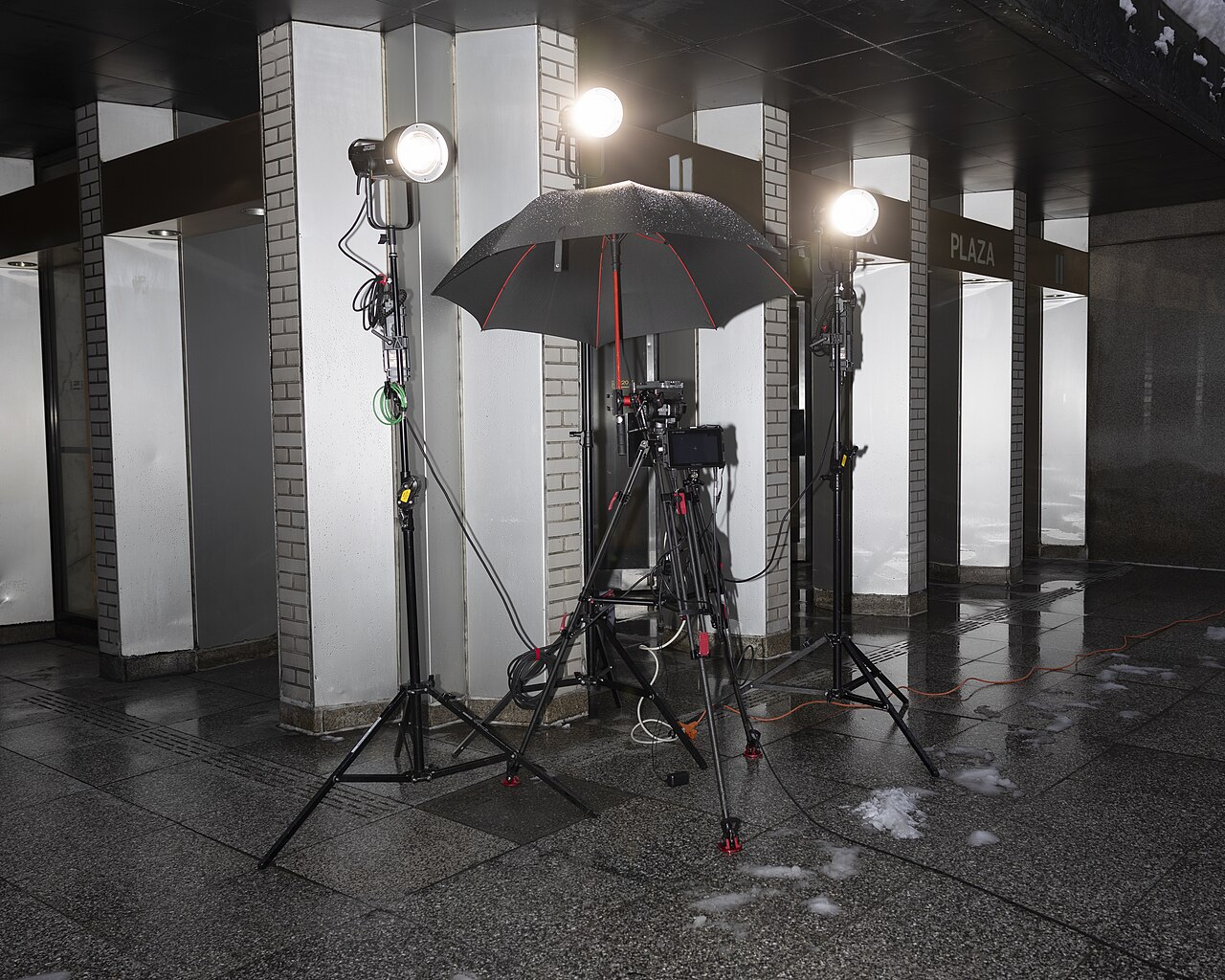
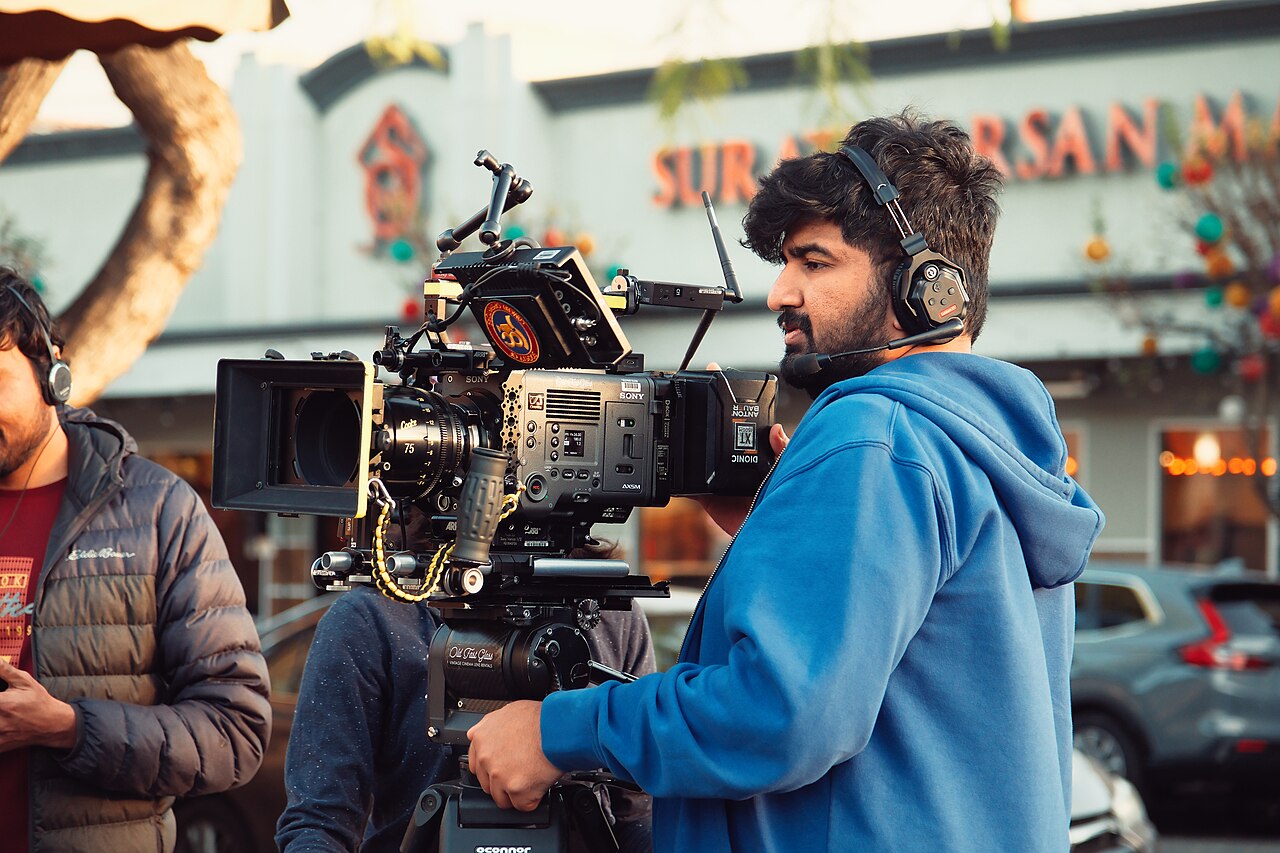
Header image: a camera and lighting rig set up for field production, via Wikimedia Commons, licensed under CC BY 4.0. In-body photograph of a camera operator on set, via Wikimedia Commons, licensed under CC BY-SA 4.0; both illustrate video production generally and are not Seedance outputs. Both images were reviewed before use.