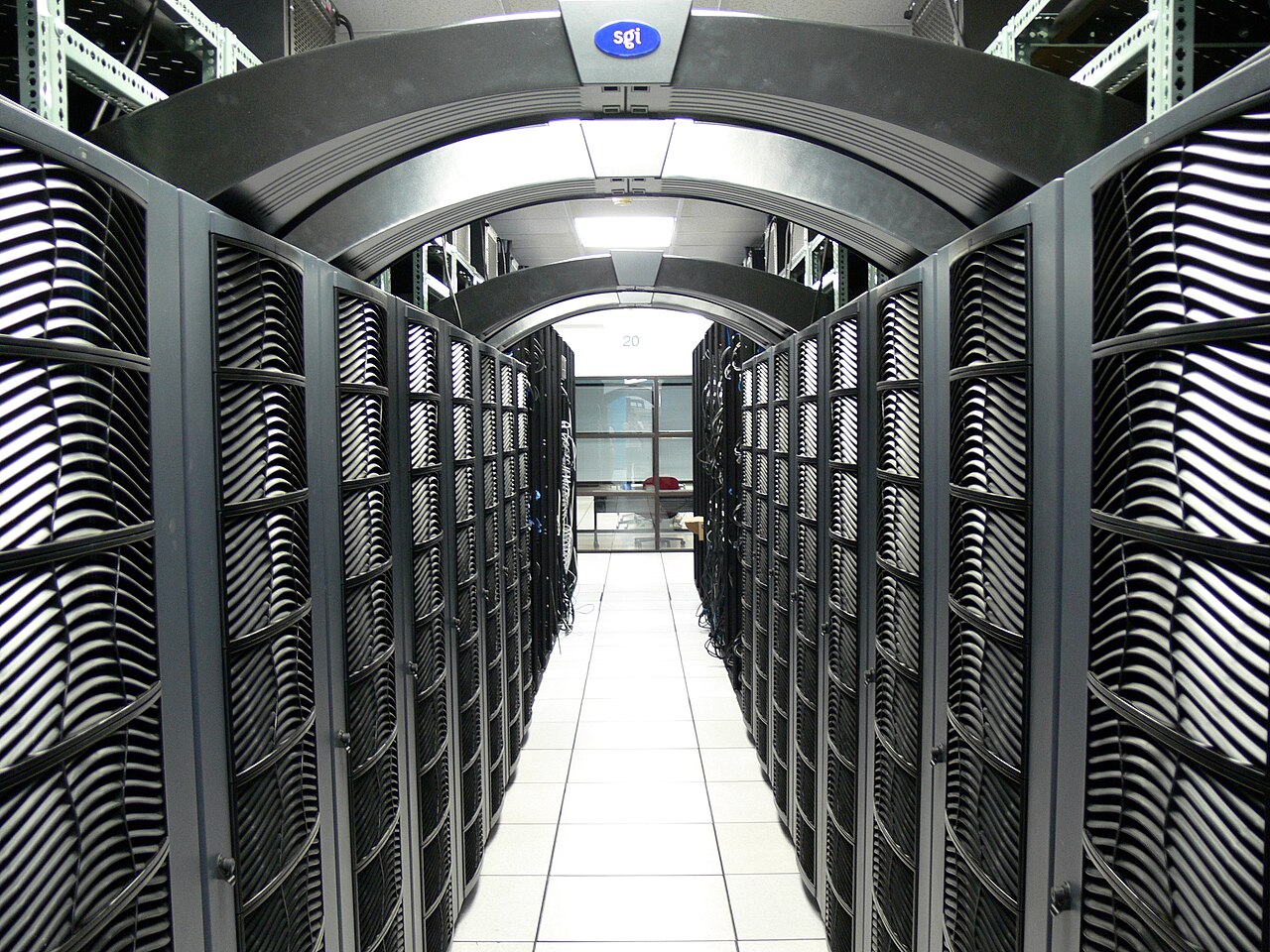
On August 10, 2026, Anthropic announced it had formed a new platform called Theseus Infrastructure with two heavyweight financial partners: Macquarie Asset Management, one of the world's largest infrastructure investors, and GIC, Singapore's sovereign wealth fund. The venture's job is narrow and specific. It will develop, own, operate and lease purpose-built data centers, and Anthropic will be the anchor tenant that rents them under long-term agreements. The structure matters more than it first appears, because it shows how a frontier lab can secure enormous amounts of compute without putting the full cost of building it on its own books. This piece explains the arrangement, the unusual commitments attached to it, and what it says about the economics of the AI buildout.
The structure, plainly stated
It helps to name each party. Anthropic is the customer. It needs vast, growing amounts of data center capacity to train and serve its Claude models, and it wants that capacity built to its specifications. Theseus Infrastructure is the vehicle that will build and own the facilities. Macquarie Asset Management and GIC provide most of the equity: funds managed by Macquarie, together with GIC, own the platform and fund the majority of the equity for each project. Anthropic then leases the finished data centers under long-term contracts, identifying and developing new sites alongside its partners with an initial focus on the United States.
 Anthropic
The point of this shape is capital efficiency. Building data centers is enormously expensive, and financing them directly would load billions of dollars of construction risk onto a company that would rather spend its capital on chips, talent and research. By making itself the anchor tenant instead of the owner, Anthropic converts a massive up-front capital outlay into a stream of lease payments, while infrastructure investors who specialize in exactly this kind of long-horizon asset put up the money and carry the build risk.
Who owns what in the Theseus venture
Infrastructure investors put up the equity and carry the build risk. Anthropic supplies the demand and rents the finished capacity.
The shape lets Anthropic secure capacity without carrying the full construction cost on its own balance sheet.
The commitments that stand out
Two pledges attached to the announcement are worth reading closely, because they are not standard boilerplate. Anthropic said it would pay 100 percent of the grid-upgrade costs its data centers require, and that it would cover consumer electricity price increases tied to its own demand. Those commitments speak directly to the loudest criticism of the AI data center boom: that hyperscale facilities strain local power grids and push up electricity bills for ordinary households while the benefits flow to distant tech companies.
By making itself the anchor tenant instead of the owner, Anthropic converts a massive up-front capital outlay into a stream of lease payments.
On why the structure exists
Whether the pledges fully neutralize that concern is a separate question, and the honest answer is that it depends on execution and verification. A promise to cover grid-upgrade costs and consumer rate impacts is meaningful only if it is measured transparently and enforced over the multi-decade life of the facilities. But the fact that the commitments were made at all is a signal in itself. It suggests Anthropic and its partners see local political opposition, not just capital, as a genuine constraint on how fast this infrastructure can be built, and are trying to price that opposition out in advance.
Why a lab is doing this now
The Theseus venture does not exist in isolation. It is one entry in a much longer list of compute arrangements Anthropic has assembled, alongside reported partnerships spanning Google and Broadcom for multiple gigawatts of next-generation chips and other suppliers. The common thread is that a frontier lab's single largest constraint is access to enough powered, cooled compute to keep training and serving ever-larger models, and no single supplier or financing structure can meet that need alone.
The scale of the demand is visible in Anthropic's own reported growth. The company's run-rate revenue has climbed steeply, reported to have moved from roughly $9 billion at the end of 2025 toward the $30 billion range, with the number of business customers spending more than $1 million on an annualized basis reported to have surpassed a thousand. A business growing at that rate cannot wait years to line up capacity, and it cannot fund every gigawatt from its own cash flow. A vehicle like Theseus, backed by patient infrastructure capital, is one answer to that timing problem.
What could go wrong, stated without drama
Three dependencies sit under the arrangement, and naming them is more useful than either enthusiasm or alarm. The first is demand: the lease payments that make the structure work assume Anthropic's need for capacity keeps growing roughly as planned, and a slowdown would leave long-term commitments stranded against softer usage. The second is delivery: purpose-built data centers take years to permit, power and construct, and the schedule depends on grid interconnection and equipment timelines that have slipped across the industry. The third is the local politics the pledges are meant to address, which can still stall or block projects regardless of who pays for grid upgrades. None of these is a prediction of failure. They are the specific things that have to hold for a signed venture to become delivered megawatts.
For teams building on top of these models rather than financing the infrastructure beneath them, the relevant lesson is about not inheriting a supplier's dependencies as your own. Keeping applications portable across models and providers, the model-agnostic posture that platforms like Metir AI take rather than binding to a single lab's roadmap, is one way to stay insulated from how any single one of these long-dated infrastructure bets plays out.
The takeaway
What is verifiable is straightforward. Anthropic, Macquarie Asset Management and GIC formed Theseus Infrastructure to build and own data centers that Anthropic will anchor as a long-term tenant, with the financial partners funding most of the equity and Anthropic pledging to cover grid-upgrade costs and consumer rate impacts tied to its demand. The structure is a clean illustration of how the AI buildout is being financed: labs supply the demand and the specifications, infrastructure investors supply the capital and carry the risk, and the two are bound together by leases that only pay off if the demand behind them proves durable.
Sources:
- Anthropic, Macquarie and GIC Form Venture for AI Data Centers | Bloomberg
- Anthropic, Macquarie Asset Management, and GIC announce strategic partnership to develop dedicated data center infrastructure at scale | Macquarie Group
- Anthropic, Macquarie and GIC Launch Theseus Infrastructure for AI Data Centers | HPCwire
- GIC and Macquarie form Theseus Infrastructure to serve Anthropic's data center needs | Data Center Dynamics
- Anthropic expands partnership with Google and Broadcom for multiple gigawatts of next-generation compute | Anthropic
Image credits
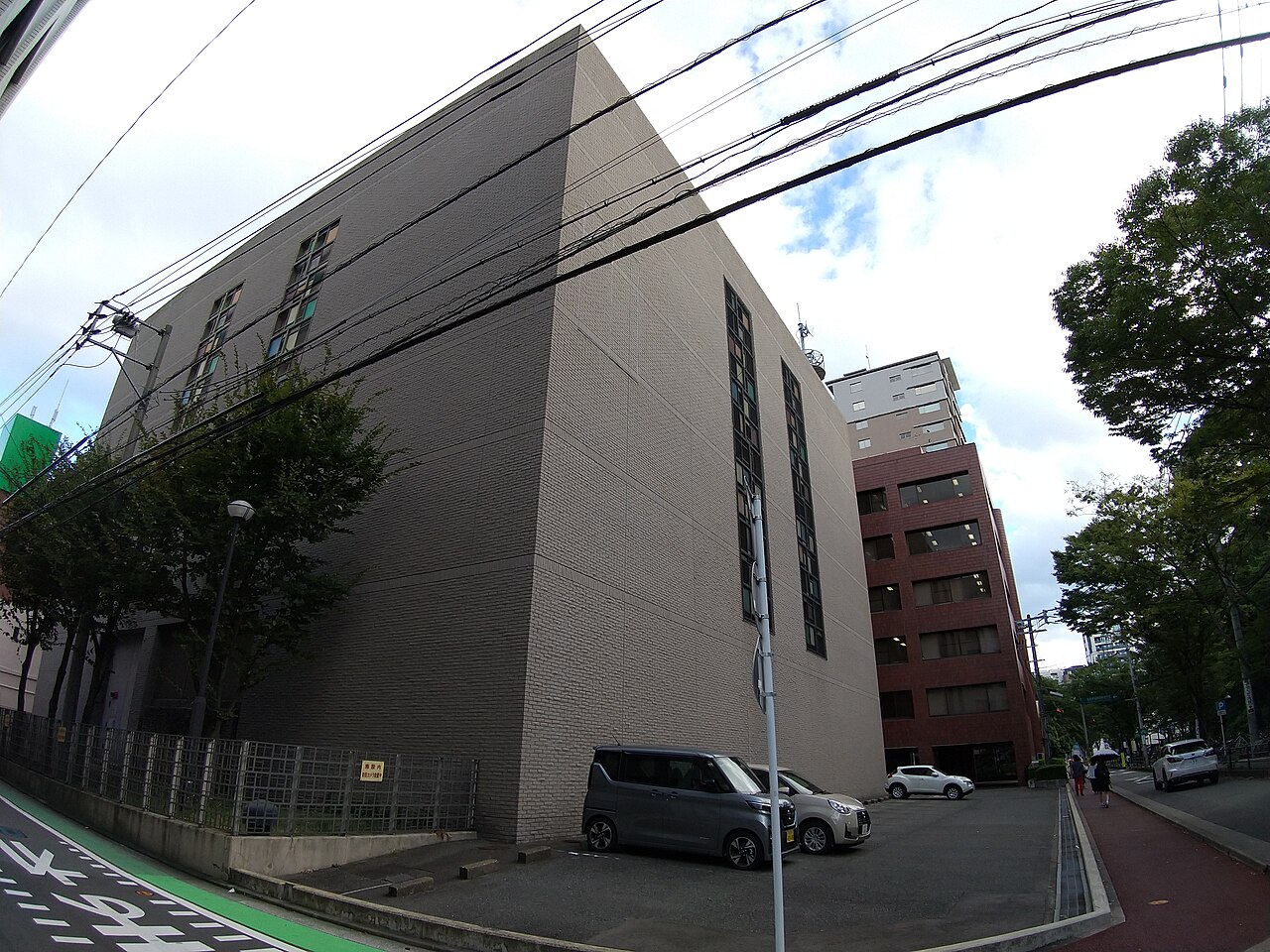
Header image: interior aisle of a data center, via Wikimedia Commons, licensed under CC BY-SA 2.0; an illustrative data center, not a Theseus facility. In-body photograph of an electrical substation, via Wikimedia Commons, licensed under CC BY-SA 4.0; it depicts an electrical substation generally, not a Theseus site. Both images were reviewed before use.