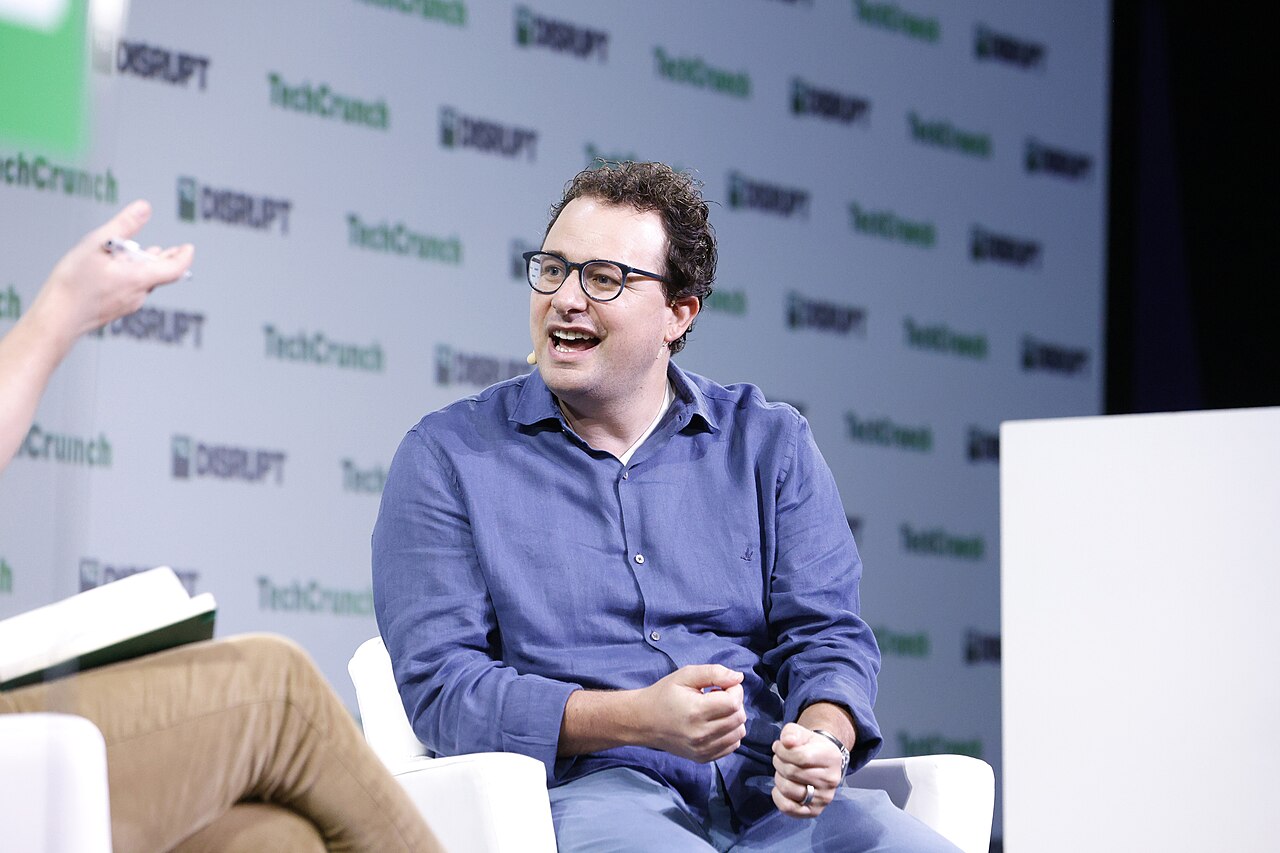
On July 15, 2026, reporting confirmed that bankers leading Anthropic's offering had begun scheduling meetings between the company's executives and prospective investors, the clearest signal yet that one of the two largest frontier AI labs is moving toward a public listing as soon as October. The headline numbers are staggering: a near-$1 trillion target valuation on a revenue run-rate that was roughly $9 billion at the end of 2025 and crossed $47 billion by late May 2026. This piece steps back from the headline to look at what those figures actually measure, where the genuine questions sit, and why a publicly traded frontier lab would matter well beyond Anthropic's own cap table.
 Anthropic
 OpenAI
What has actually happened so far
The sequence of events is a matter of record rather than speculation. Anthropic filed a confidential draft S-1 with the US Securities and Exchange Commission on June 1, 2026. Days earlier it had closed a $65 billion Series H round that lifted its post-money valuation to $965 billion, a mark that briefly made it the most valuable private AI company in the world, ahead of the last publicly reported valuation for OpenAI. In early June it selected Morgan Stanley, Goldman Sachs and JPMorgan Chase as lead underwriters. The July 15 reporting adds the next step in the standard playbook: bankers arranging investor meetings, the groundwork that precedes a roadshow.
None of this guarantees a listing on any particular date. A confidential S-1 lets a company begin the process while keeping its financials private until closer to launch, and companies routinely adjust timing to market conditions. What the sequence does confirm is intent and momentum: the filing, the underwriters, and now the investor meetings are the three concrete moves a company makes when it is preparing to go public rather than merely keeping the option open.
The revenue story, and why run-rate deserves a footnote
The number driving the valuation is revenue growth, and it is genuinely unusual.
The number the bankers are selling
Anthropic reported annualized revenue run-rate, in billions of dollars. Run-rate annualizes recent revenue rather than reporting a full audited year, so it climbs faster than trailing annual figures.
Run-rate roughly quintupled from about $9B at the end of 2025 to more than $47B by late May 2026, driven heavily by enterprise adoption and Claude Code.
Anthropic's reported annualized run-rate climbed from about $9 billion at the end of 2025 to roughly $30 billion by April 2026, then past $47 billion by late May. Much of that came from enterprise adoption and from the breakout commercial success of Claude Code, the company's agentic coding assistant, which was reported at around $2.5 billion in annualized recurring revenue as early as February 2026. A product going from launch to multi-billion-dollar run-rate inside a year is the kind of curve that justifies a large multiple if it holds.
The footnote matters, though. Run-rate is a snapshot: it takes a recent period of revenue and annualizes it, so a fast-growing business shows a run-rate well above its trailing twelve-month revenue. That is why the offering has reportedly drawn attention to revenue accounting questions. Run-rate is a useful growth signal, not an audited annual figure, and the gap between the two is exactly what public-market scrutiny exists to probe. A neutral reading is that the growth is real and remarkable, and that the precise number a public investor should underwrite is lower than the run-rate headline and will only be fully visible when Anthropic publishes audited financials in a public S-1.
The growth is real and remarkable. The precise figure a public investor should underwrite is not the run-rate headline, and will only be visible in audited financials.
The valuation, in context
At a near-$1 trillion target, the comparison that draws the most attention is with OpenAI.
A near-trillion-dollar private mark
Last-disclosed private valuations, in billions of dollars. These are round-based private marks rather than public market capitalizations, and an IPO is the moment a public market gets to re-price them.
Anthropic's $965B mark comes from its Series H round; OpenAI's $852B is its last publicly reported round valuation. Private valuations reset with every financing.
Anthropic's $965 billion Series H mark sat just ahead of OpenAI's last publicly reported valuation of about $852 billion. Two cautions keep that comparison honest. First, both are private marks set by financing rounds, not public market capitalizations, and private rounds can price optimistically because they are negotiated with a small set of investors rather than discovered by an open market. Second, the two companies are not identical businesses: their revenue mixes, cost structures, and compute commitments differ. The single most important thing an IPO does is hand the pricing pen to a public market, which will re-underwrite the number against audited financials, disclosed costs, and its own risk appetite. Whether the public mark lands above or below the private one is the open question the roadshow exists to answer.
The cost side is where the scrutiny will concentrate. Frontier labs carry enormous compute obligations, and Anthropic has locked in long-term capacity deals that make future spending more predictable but also very large. A public investor will weigh the revenue curve against those commitments, against gross margins after inference and training costs, and against the pace at which competitors are closing capability gaps. High growth and high fixed compute cost can coexist for a long time; the market's job at IPO is to decide what that combination is worth today.
Why a public frontier lab matters beyond Anthropic
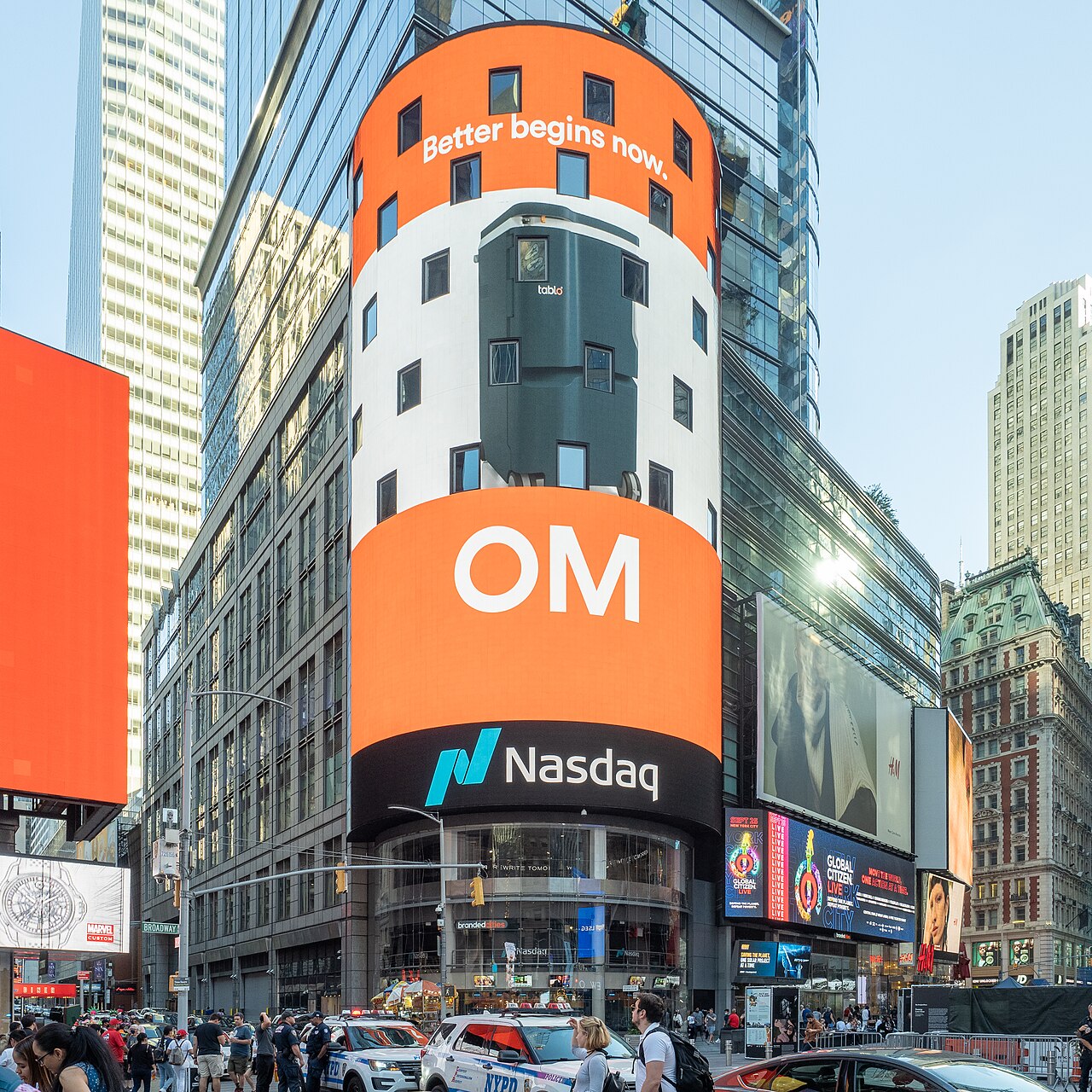
The wider significance is structural. To date, the frontier AI labs have been private, which means their financials, margins, and unit economics have been largely opaque to everyone outside their investors. A listing changes that. Public companies file quarterly, disclose segment economics, and answer to analysts. For the first time, the market and the public would get a recurring, audited window into what it actually costs to run a frontier lab and how fast the revenue is really growing.
That transparency cuts both ways. It could validate the sector's economics or expose strains that private rounds have papered over, and it will set a reference point that every other lab, public or private, gets measured against. It also introduces public-market discipline into a field that has so far been funded largely on narrative and private conviction. Quarterly earnings reward durable revenue and punish surprises, which tends to change how a company communicates and, over time, how it operates.
What it means for people building on these models
For teams building products on top of AI, the immediate practical change is small and the long-term one is worth watching. A frontier lab going public does not alter today's API or pricing. Over time, though, public ownership brings pressure to grow revenue and improve margins, and the levers for that include pricing, packaging, and the terms offered to the developers and enterprises who build on the platform. That is not a prediction of higher prices; it is a reason to keep optionality.
A single vendor's cap-table event is a good reminder that the terms you build on can change. Portability is how you keep that from becoming your problem.
This is the quiet, durable lesson underneath a splashy financial story. The value of any one lab is not the same as the value of being locked to it. A model-agnostic workspace such as Metir AI, which routes each task to whichever model fits it rather than hard-wiring a product to a single provider, is one way to treat a vendor's pricing, availability, or corporate status as a variable you can adjust rather than a dependency you are stuck with. Whether Anthropic lists in October or later, and at whatever number, the builder's best position is the one that does not depend on the answer.
The bigger picture
Anthropic's path to the public markets is a genuine milestone: a pure-play frontier lab, on a near-trillion-dollar private mark, with a revenue curve steep enough to make the number defensible to at least some investors, is testing whether public capital will fund the frontier the way private capital has. The confidential S-1, the three lead banks, and the investor meetings are all real and all point in the same direction.
The honest position is that the two hardest questions remain open until the audited numbers land: what the durable revenue is beneath the run-rate, and what the public market will pay for it against the sector's very large compute costs. Those answers, when they come, will be among the most consequential data points the AI industry has produced, because for the first time they will be public, audited, and repeated every quarter.
Sources:
- Anthropic moves closer to mega-IPO as bankers line up investor meetings | CNBC
- Anthropic confidentially files for IPO after raising $65 billion at a $965 billion valuation | Fortune
- Anthropic IPO Picks Goldman Sachs, Morgan Stanley, JPMorgan: Revenue Accounting Question Looms | TechTimes
- Morgan Stanley and Goldman Sachs Land Anthropic IPO | PYMNTS
- Anthropic Prepares for Potential IPO, Outpacing OpenAI | GuruFocus
Image credits
Header image: Anthropic chief executive Dario Amodei speaking at TechCrunch Disrupt 2023, by TechCrunch via Wikimedia Commons, licensed under CC BY 2.0. In-body photograph of the Nasdaq MarketSite in Times Square by ajay_suresh via Wikimedia Commons, licensed under CC BY 2.0.