On September 23, 2026, Anthropic opened the Claude Marketplace to the public with more than 2,000 connectors and plugins at launch. The Claude Marketplace is a single catalog inside Anthropic's Claude platform, and it turns what was a small partner program into something closer to an app store for AI. This post covers what launched, and the wider questions it raises about ecosystems, standards and lock-in.
What the Claude Marketplace includes
According to gHacks, the catalog has three sections:
- Connectors and plugins: integrations with launch partners including Atlassian, Google, Microsoft, Notion and Salesforce.
- Agents and products: Claude-powered products from partners including CrowdStrike, Cursor, Harvey, Legora, Lovable and Snowflake.
- Service partners: consulting and integration firms, which BleepingComputer lists as Accenture, Boston Consulting Group and Deloitte.
 Anthropic
 Microsoft
 Google
 Salesforce
Anthropic described the aim as making it easier for teams to find products that already work with Claude, while giving developers and partners a direct path to existing Claude customers.
From six partners to 2,000 listings
The marketplace began in March 2026 with just six partners (GitLab, Harvey, Lovable, Replit, Rogo and Snowflake), reserved for existing Anthropic partners. The September expansion opened it up. Developers build connectors and plugins with the Model Context Protocol (MCP) and Agent Skills, then submit them, and a submission portal for builders on Claude's paid plans went live on September 25, 2026. BleepingComputer frames the open submission model as a contrast with an earlier marketplace from a rival that struggled to gain adoption.
A model is more useful the more systems it can reach, so every connector raises the value of the platform.
Metir AI Team analysis
The app-store economics of an AI platform
Platform marketplaces tend to work through a flywheel: more listings attract more customers, which attracts more developers. For an AI vendor the incentives are a little different from a phone app store, because the listing is usually a connection to data and workflows, not a standalone app. A model is more useful the more systems it can reach, so every connector raises the value of the underlying platform.
Distribution and procurement are the other half. Enterprise DNA reports that customers with Anthropic commitments can apply part of that spend toward partner products through a single vendor relationship. If that holds, it reduces procurement friction, which analysts have cited as a brake on scaling AI in large organizations. It also concentrates commercial relationships around one vendor, which is the classic marketplace trade-off.
MCP as a de-facto interoperability layer
The Model Context Protocol is an open protocol for connecting AI models to tools and data. The marketplace is built around it, and the launch list includes companies that also sell competing AI assistants. That is worth noticing: when Google, Microsoft and Salesforce ship connectors that speak the same protocol, MCP starts to behave like shared infrastructure, comparable to how common web standards let one site work in many browsers.
A protocol being open does not make a catalog open. The listings, ranking, review rules and billing sit with the marketplace operator. So the standard can be portable while the storefront remains single-vendor.
Rich ecosystem or lock-in?
There are two reasonable readings.
- The ecosystem view: a curated catalog with vetted connectors, agents and integrators saves buyers from stitching tools together and gives developers a large audience.
- The lock-in view: the more workflows a company builds around one vendor's catalog, billing and agents, the higher the cost of switching models later.
The practical hedge is to keep the connector layer portable. Because connectors follow MCP, they can in principle be reused across clients, and multi-model platforms such as Metir, which is model-agnostic and supports MCP connectors, let teams keep their integrations while choosing among providers. How much reuse works in practice depends on each connector's authentication and permissions, which buyers should test.
What it means for enterprise buyers
The three-part structure maps to three buying decisions:
- Connectors: which of your systems of record can the model reach, and with what permissions?
- Agents and products: which vertical tools, such as security, legal or data, are worth buying rather than building?
- Service partners: who will integrate and govern it?
Useful questions before adopting: how are third-party connectors reviewed, where does data flow, what audit logs exist, and what happens to your integrations if you change model providers?
Bottom line
Going from six partners in March to more than 2,000 listings in September shows how fast AI platforms are becoming ecosystems. The open questions are quality control across a large catalog, how portable the integrations prove to be, and how buyers balance convenience against dependence on one vendor.
Sources:
- gHacks: Anthropic launches Claude Marketplace with more than 2,000 connectors and plugins
- BleepingComputer: Anthropic turns Claude into an AI marketplace with 2,000+ plugins and connectors
- Enterprise DNA: Anthropic Claude Marketplace, enterprise plugins and agents
Image credits
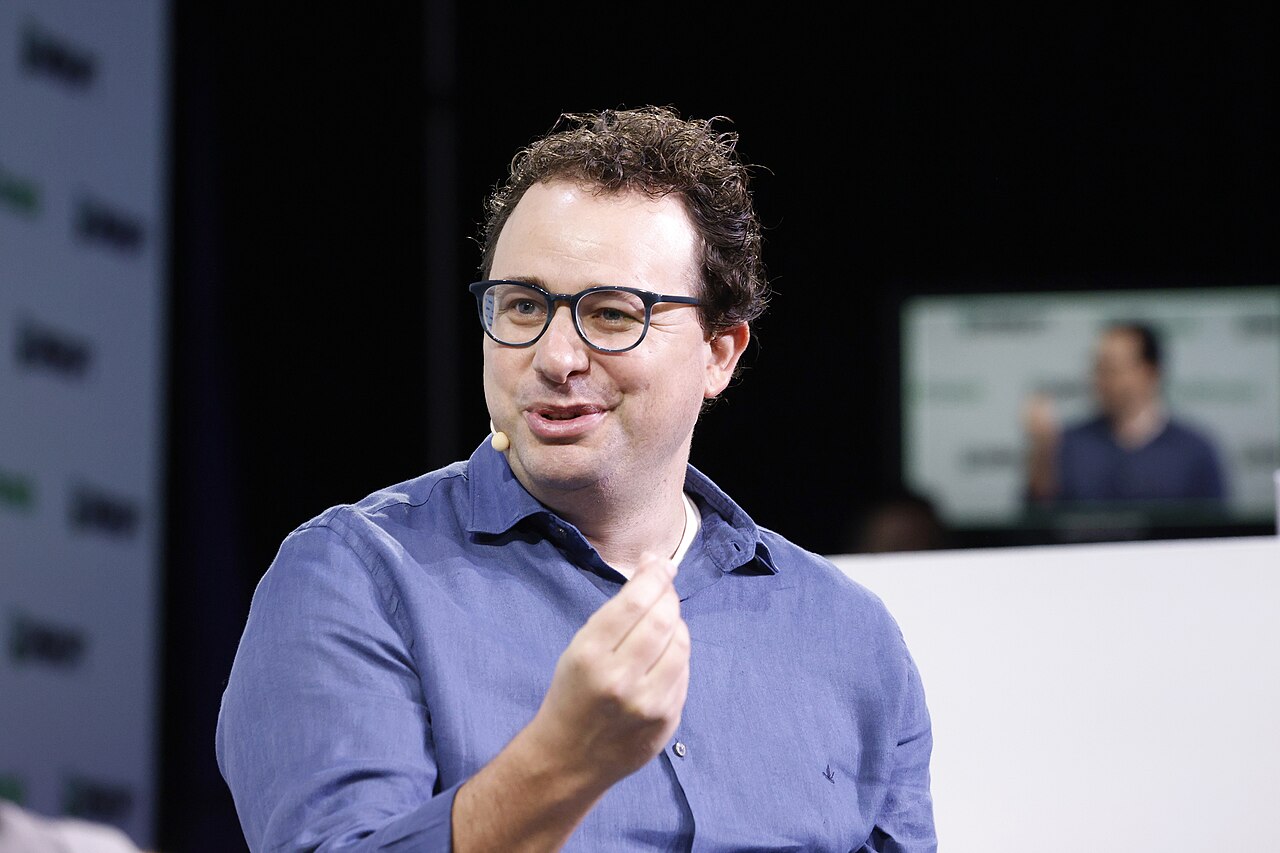
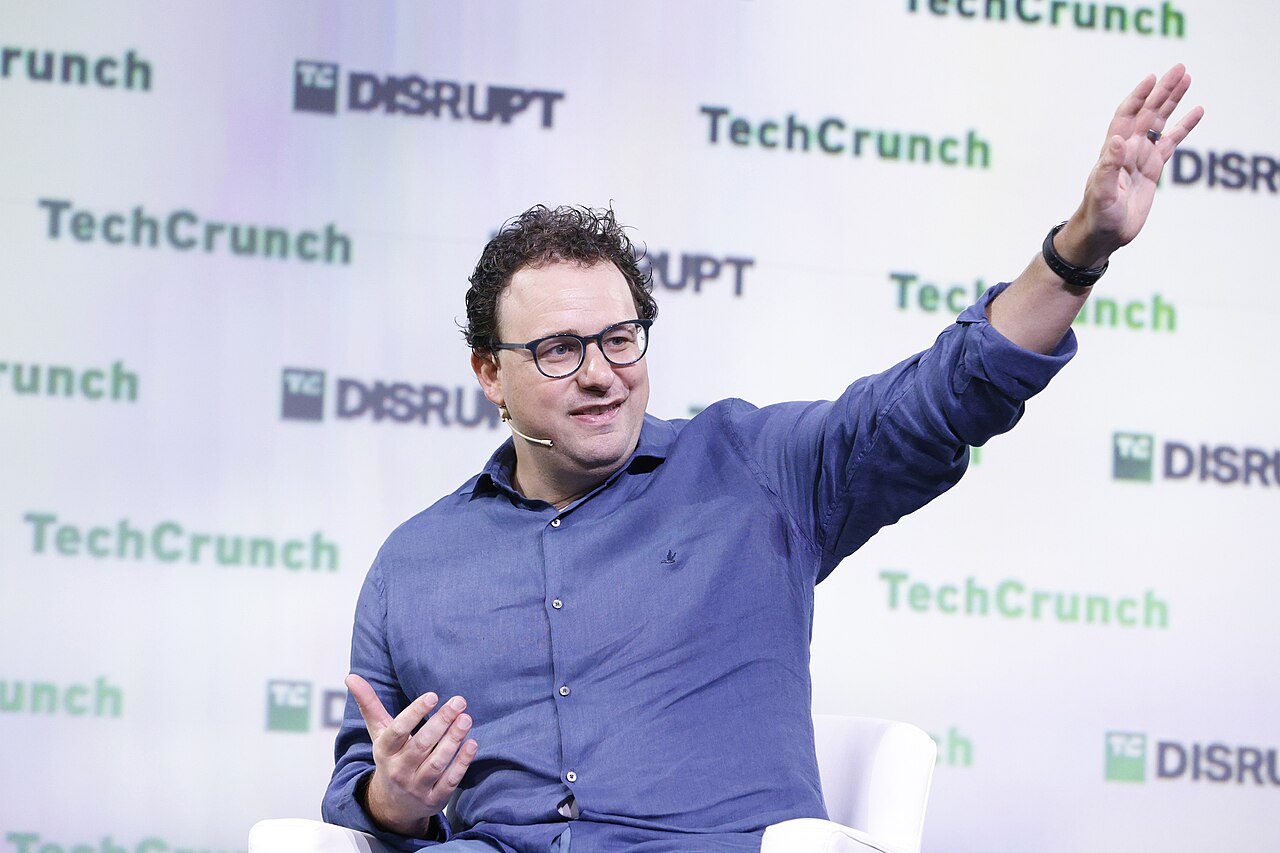
Header image: Dario Amodei at TechCrunch Disrupt 2023, by TechCrunch via Wikimedia Commons, licensed under CC BY 2.0. In-body image: Dario Amodei at TechCrunch Disrupt 2023, by TechCrunch via Wikimedia Commons, licensed under CC BY 2.0. Both images are illustrative 2023 photos and do not depict the Claude Marketplace.